Great Basin National Park: Lehman Caves, Alpine Lakes, and Bristlecones
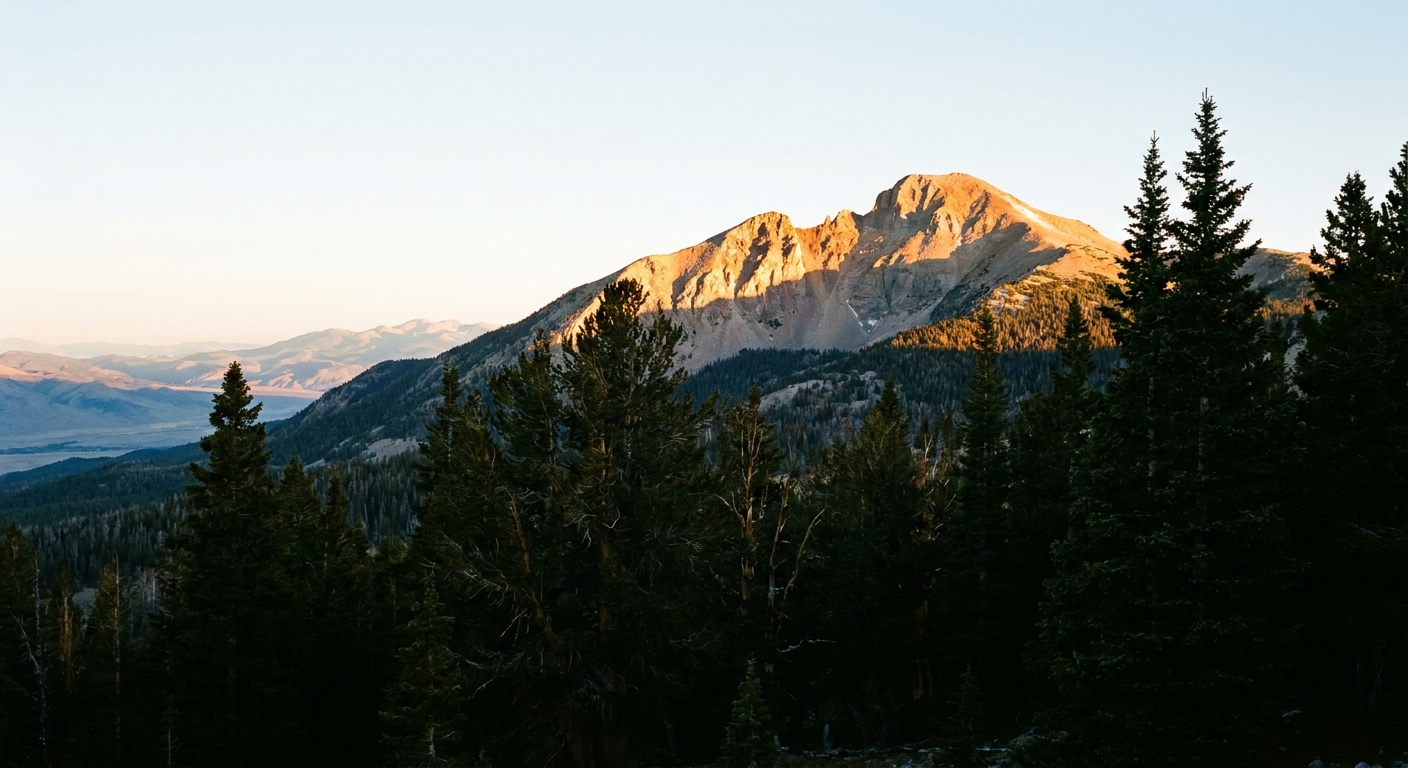
Great Basin National Park is one of those places that makes you feel like you discovered a secret, even though it has been here the whole time. In one day, you can duck into the cool, cathedral-like corridors of Lehman Caves, hike into bright alpine basins under 13,000-foot peaks, and end the night flat on your back watching the Milky Way sharpen into view.
The catch is that Great Basin rewards a little planning: cave tours are timed and limited, trailheads jump quickly in elevation, and sunset comes fast in the mountains. Here is how to make it all click without turning your trip into a spreadsheet.

First, know the layout
Great Basin feels like three parks stacked on top of each other.
- Low desert and visitor hub: Baker, Nevada and the park’s visitor services sit around 5,000 to 6,000 feet.
- Mid-mountain zone: Lehman Caves and the main scenic drive climb quickly into pinyon-juniper and then forest.
- High country: Alpine trails and lakes live above 9,000 feet, with trailheads commonly around 9,800 to 10,000 feet.
This matters because your body notices the jump, and your schedule will too.
Lehman Caves tickets: how booking works
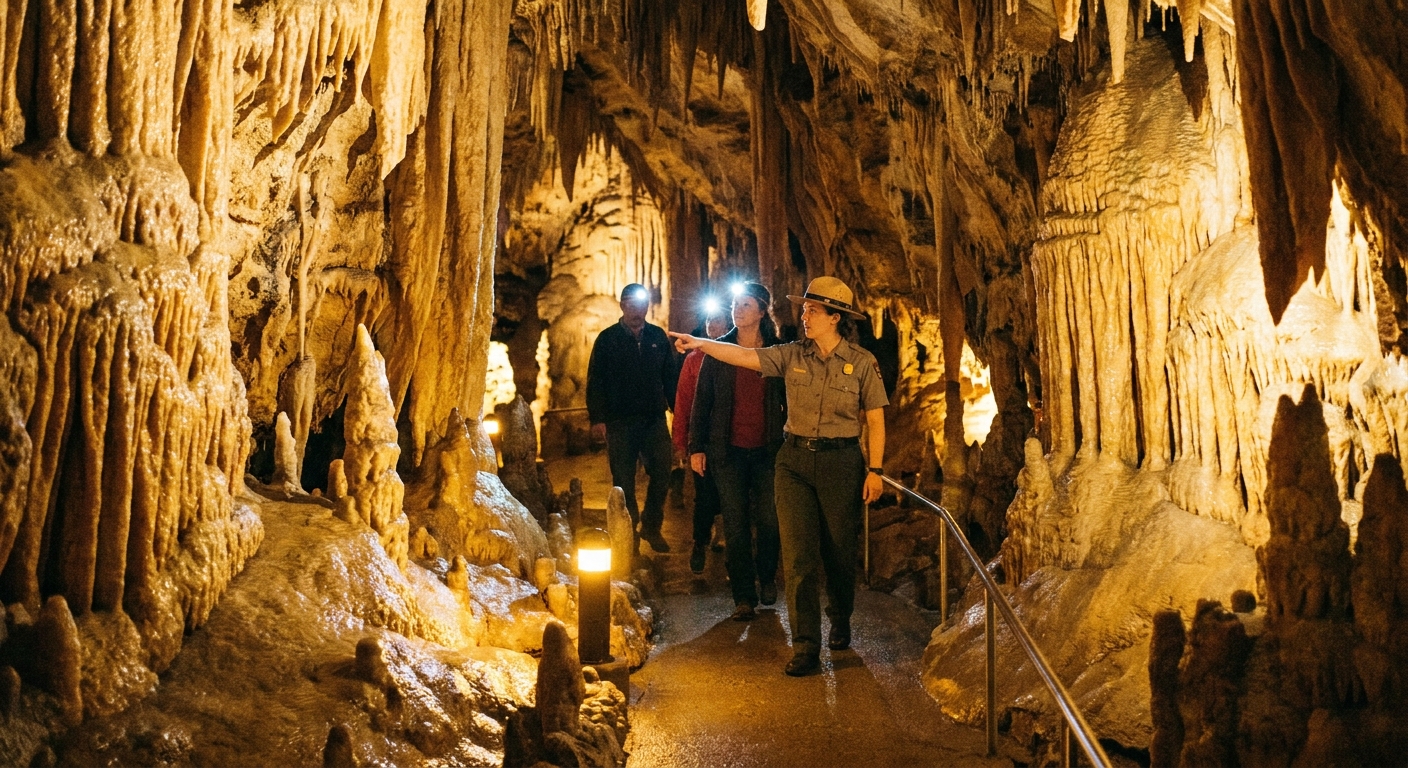
Lehman Caves is a guided-tour cave. You can’t self-explore, and you shouldn’t plan on casually showing up at midday and getting a spot. In peak season, tours can sell out.
How to reserve
- Reserve ahead online: Book through the official National Park Service ticketing partner (typically Recreation.gov for cave tours). Search “Lehman Caves” and choose your date and tour time.
- Have a backup time: If your ideal slot is gone, grab any available morning tour. Morning cave times pair best with afternoon hikes and reduce the chance of thunderstorm timing conflicts in summer.
- Arrive early: Build in time for parking, bathrooms, and the short walk to the cave entrance area.
Picking the right tour
Tour names and availability vary by season, but generally:
- Shorter, classic tours: Best if you want to combine caves with a hike the same day.
- Longer, specialty tours: Better as your main event, especially if you want more geology, more rooms, or a slower pace.
If you’re traveling with mixed energy levels, do the cave in the morning and let the afternoon split: one group hikes, one group naps, reads, or enjoys a picnic in the shade. Great Basin is a guilt-free rest destination.
What to bring for the cave
- A light layer: Caves are cool year-round.
- Closed-toe shoes: Walkways can be damp and uneven.
- Minimal bag: Keep it simple for tight spaces and ranger instructions.
Elevation acclimation: a simple plan
If you’re coming from Las Vegas, Salt Lake City, or anywhere near sea level, Great Basin’s elevation jump can feel abrupt. You don’t need to fear it, but you do want to respect it, especially if your dream includes alpine lakes or Wheeler Peak views.
Do this on arrival day
- Sleep lower if you can: Spending your first night near Baker or at a lower-elevation campground can make the next day easier.
- Hydrate early: Start drinking water before you feel thirsty. Dry air plus elevation is a sneaky combo.
- Eat real food: This isn’t the day to subsist on gas station snacks. Carbs help, and steady calories keep headaches away.
- Take a short warm-up walk: A low or mid-elevation stroll helps you gauge how you feel.
Red flags to take seriously
Headache that doesn’t improve with water and rest, nausea, dizziness, or unusual fatigue are signs to slow your pace, drop to a lower elevation, and reassess. If symptoms escalate, seek medical help. The smart move is always the one that keeps tomorrow enjoyable.
A sensible one-day itinerary
If you’ve only got one full day, this is my favorite Great Basin formula: a cool, quiet morning underground, then a bright high-country afternoon, then a dark-sky nightcap.
Option A: caves + bristlecones
Why this works: You get the “only here” cave experience and the park’s iconic ancient trees without committing to a long, high-output hike.
- Morning: Lehman Caves tour (aim for earlier times).
- Midday: Scenic drive climb, picnic lunch, slow wandering at viewpoints.
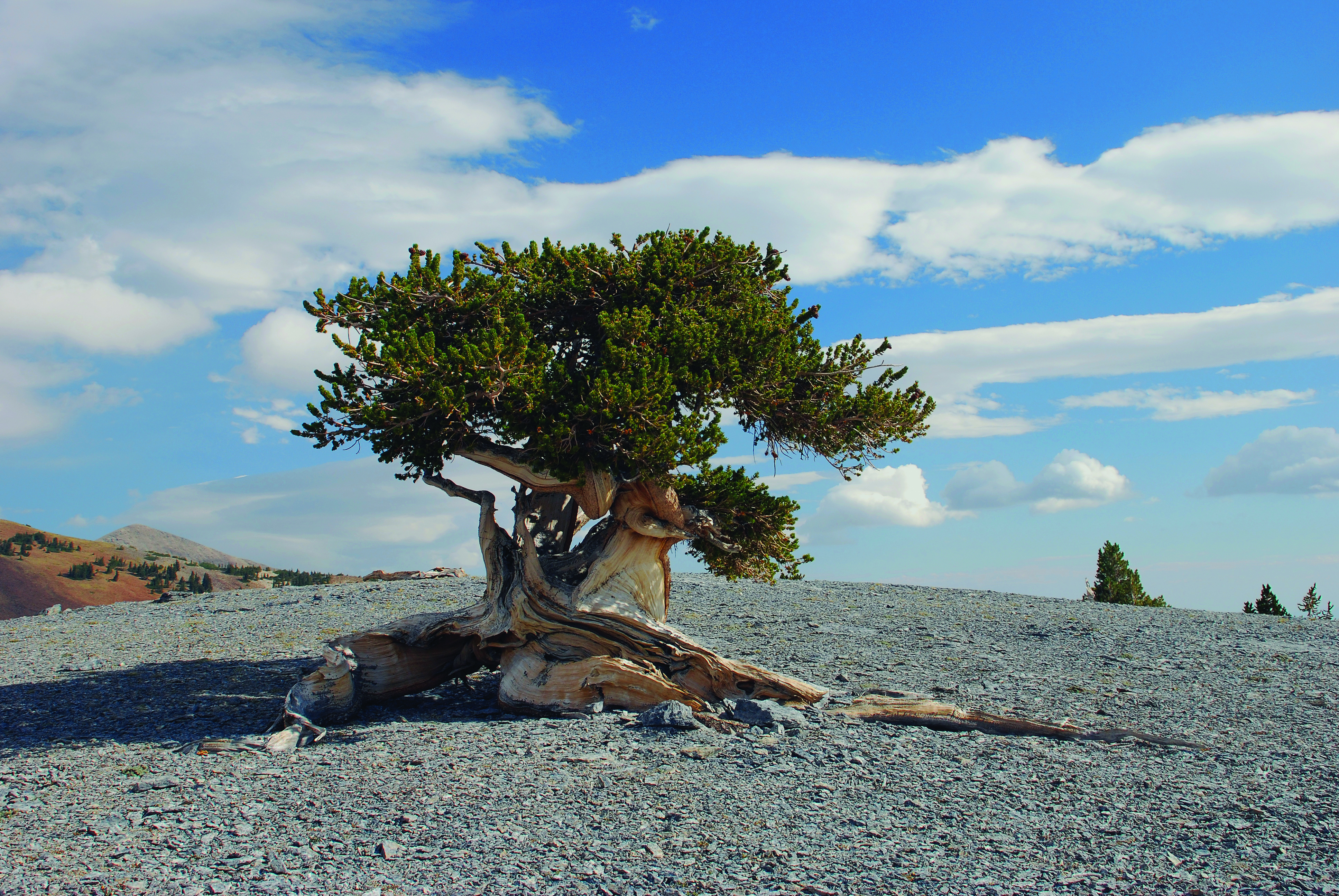
- Afternoon: Bristlecone pine area hike or walk. Expect sun, wind, and that crisp, resinous mountain smell.
Bristlecones are the kind of feature that sounds nerdy until you’re standing next to a twisted trunk that’s been quietly surviving since before modern maps existed. Give yourself time to slow down and actually look at the wood grain, the dead-and-alive sections of the tree, and the wide-open sky around them.
Option B: caves + an alpine lake
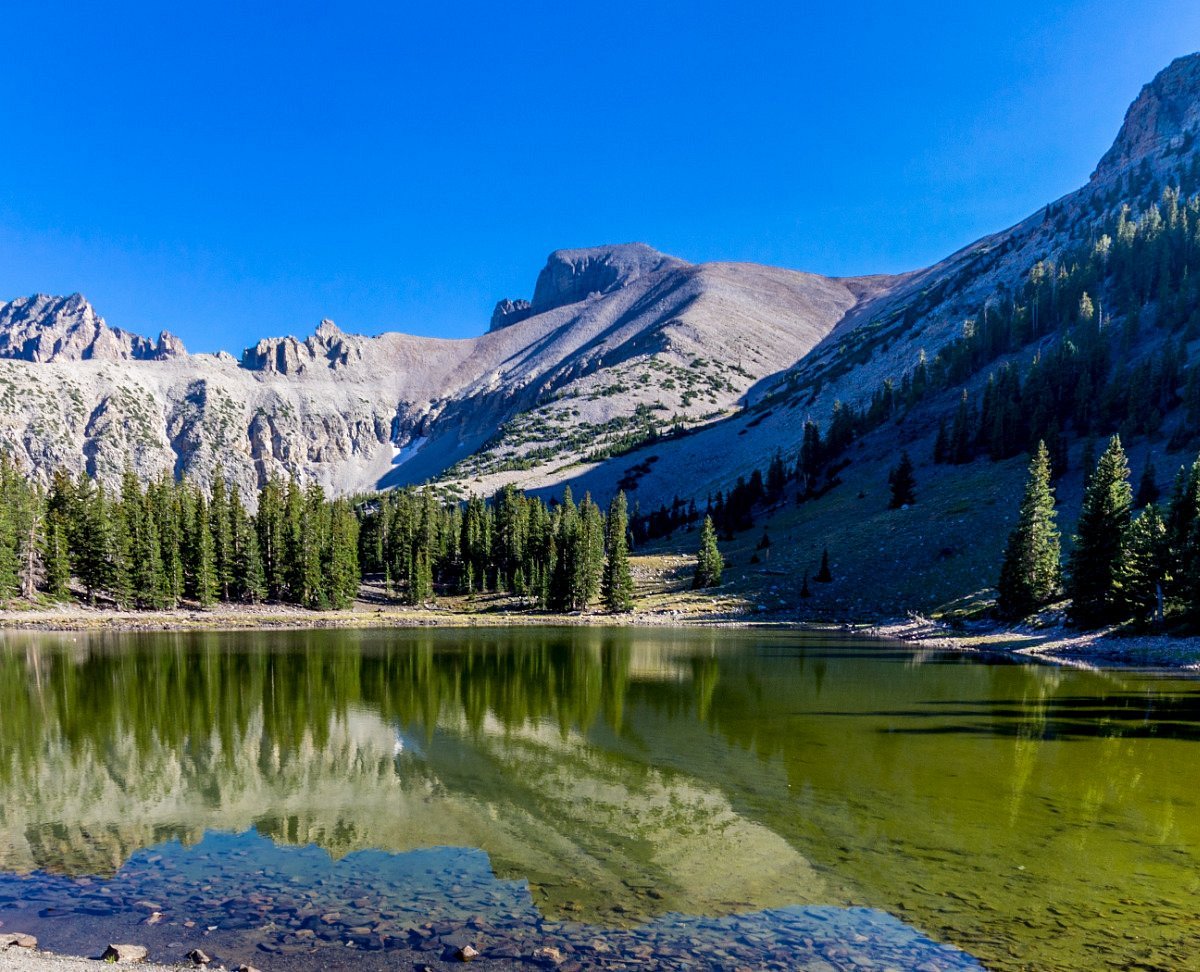
Why this works: Great Basin’s alpine lakes are shockingly lush for a desert-state park, and the contrast after a cave tour is chef’s-kiss satisfying.
- Morning: Lehman Caves tour.
- Lunch: Eat at a higher-elevation picnic spot but keep it relaxed. This is where people accidentally sprint into altitude trouble by doing too much too fast.
- Afternoon: Choose one lake hike and commit to it, rather than trying to stack multiple destinations.
Afternoons in summer can bring thunderstorms. Plan to be headed back toward the trailhead if clouds start building into tall, dark towers. Above treeline isn’t where you want to debate lightning etiquette.
My time-saver tip
Build drive time with views into your plan the same way you’d budget trail miles. The scenic road is part of the experience, and it’s easy to underestimate how long stops, photos, and just staring will take.
Night-sky basics
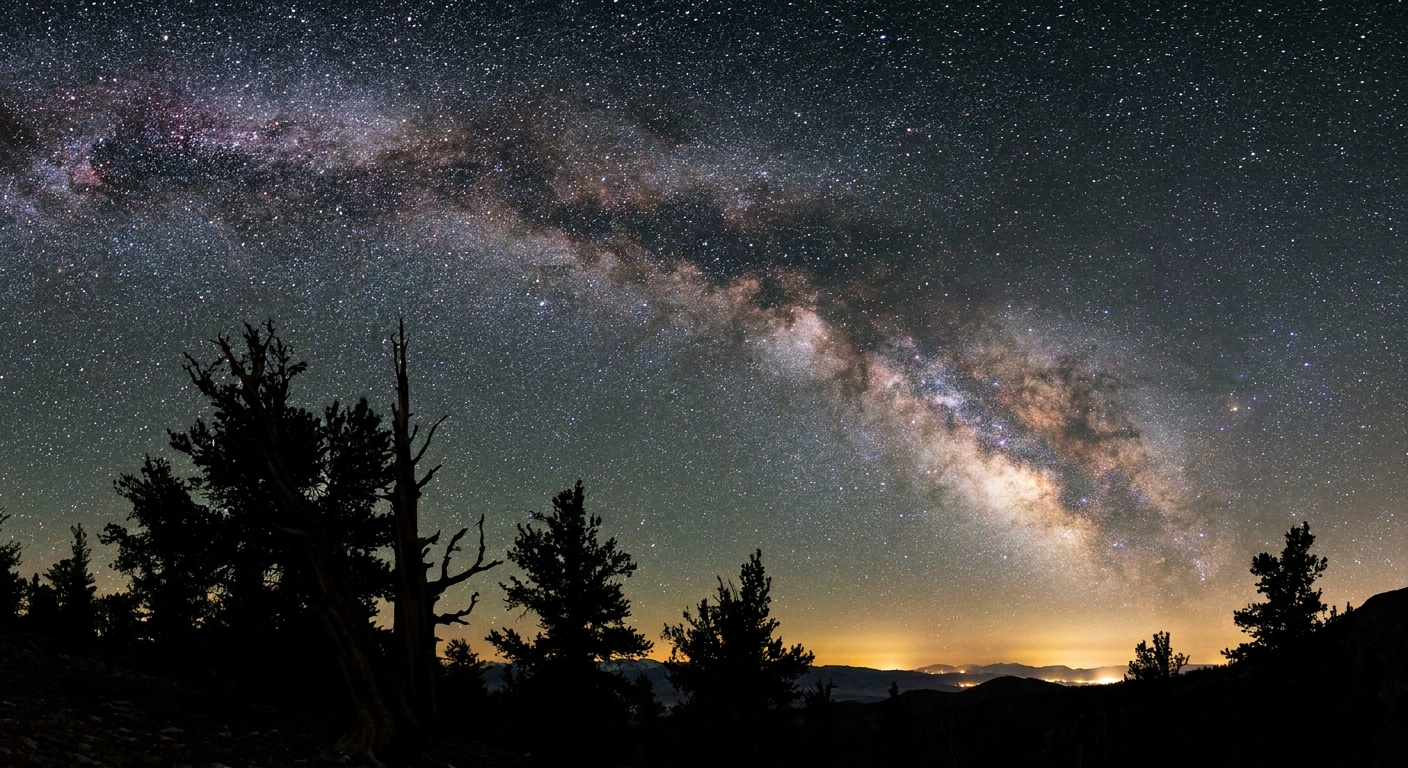
Great Basin is famous for dark skies, and it earns the hype. The first time you see the Milky Way here, it looks less like a faint cloud and more like a textured river of light.
Pick your night
- Check the moon: New moon and the days around it are darkest. A bright moon is still beautiful, but it washes out the Milky Way.
- Check clouds and smoke: Even thin haze can dull the view. Wildfire smoke can be a factor in late summer.
- Plan for temperature drops: Desert evenings at elevation get cold fast, even if your afternoon hike was warm.
Where to watch
Look for a safe pullout or open area away from headlights and camp loops. Let your eyes adjust for 15 to 20 minutes, and keep your phone screen dim. If you’re photographing, a tripod and a steady surface make a bigger difference than fancy gear.
What to pack
- Warm jacket, hat, and an extra layer you didn’t think you’d need
- Headlamp with a red-light setting if you’ve got one
- Hot drink in a thermos, or at least water
- Blanket or camp chair so you’re not doing the standing neck-crane routine
Carry-on-only packing list
This is a park where you can use almost every layer you brought, sometimes in the same day.
- For the cave: light fleece or long-sleeve, grippy shoes
- For the hike: sun hat, sunscreen, 2 liters of water minimum, salty snack, rain shell in summer
- For high elevation: an extra warm layer, especially if you’re lingering for sunset
- For comfort: blister care, a simple headlamp, and a small trash bag to pack out everything
If you’re choosing between extra water and an extra gadget, pick water. Great Basin isn’t the place to be under-hydrated and over-confident.
Low-stress Great Basin etiquette
- Stay on trails: Alpine areas recover slowly, and shortcuts scar the landscape.
- Keep caves clean: Follow ranger guidance, don’t touch formations, and respect closures. Cave environments are delicate.
- Pack out everything: Food scraps included.
- Drive thoughtfully: Wildlife and tight curves are common on the climb.
Great Basin’s gift is its quiet. The more we treat it gently, the more it stays that way.
Quick planning checklist
- Reserve Lehman Caves tour tickets for an early time
- Decide: bristlecones (easier) or alpine lake (bigger effort)
- Hydrate and eat before you climb
- Watch afternoon weather if hiking high
- Check moon phase and cloud cover for stargazing
- Bring warm layers for night, even in summer
If you want the perfect Great Basin day, think in contrasts: cool cave air, sunlit high-country trails, and a sky so dark it makes the desert feel like an observatory. Do it once and you’ll start plotting your return before you even leave Baker.