Guadalupe Mountains: McKittrick Canyon and Pine Springs Easy Days
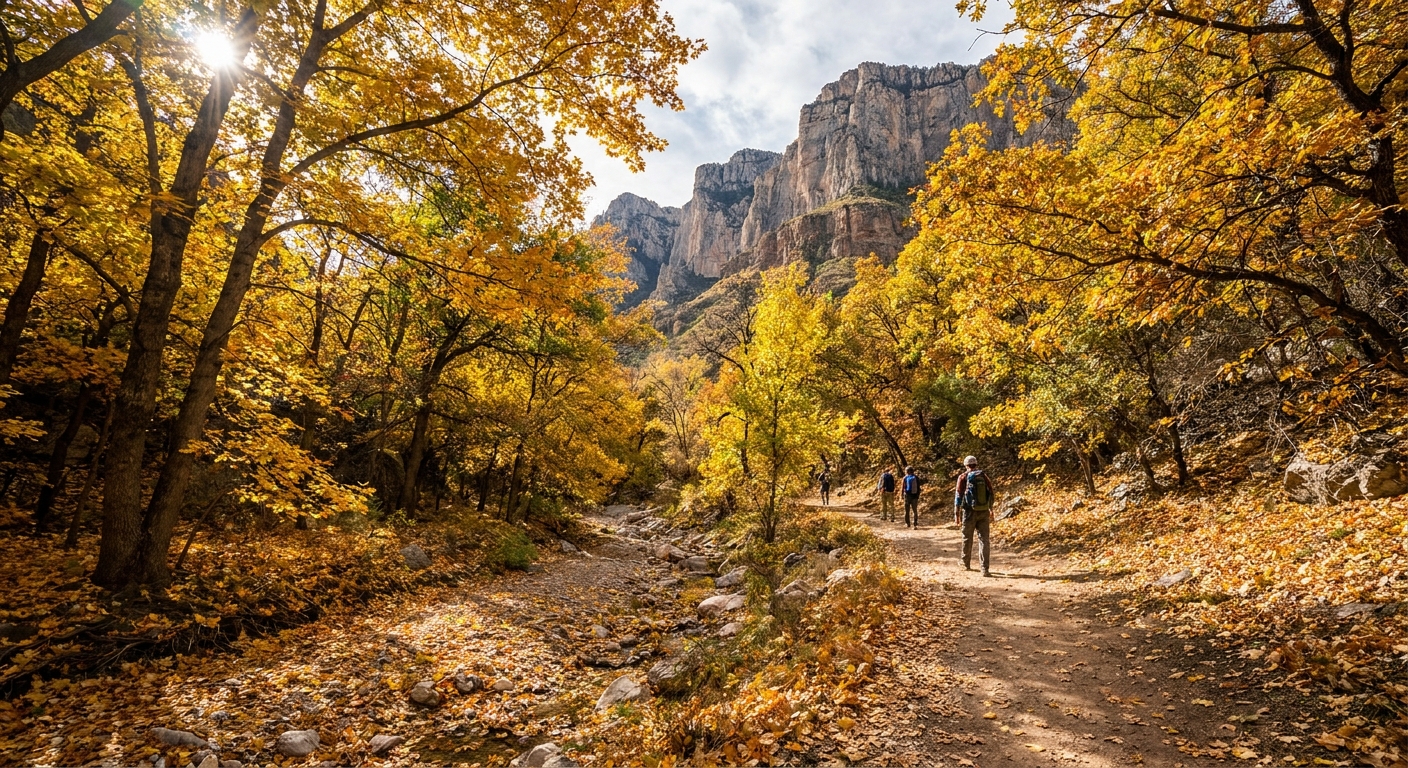
Guadalupe Mountains National Park gets marketed like a simple fork in the road: do Devil’s Hall or do Guadalupe Peak. But if you are craving a day that feels more unhurried and more scenic in a slow, observant way, McKittrick Canyon is a different decision entirely. It is about timing, light, and seasonal color, not just elevation gain. And if the high country is doing its classic West Texas thing with wind, ice, or both, pairing McKittrick with an easy Pine Springs area walk can be the move that saves your trip.
This guide breaks down what matters most on the ground: McKittrick Canyon gate hours and how they shape your hike, the Guadalupe Peak area as its own zone (separate from Devil’s Hall), how the Capitan Reef story shows up on short Pine Springs area trails, what the official Permian Reef Trail actually is and where it starts, water strategy in a dry park, and how to build one calm day when the peaks are not cooperating.

McKittrick Canyon is time-boxed
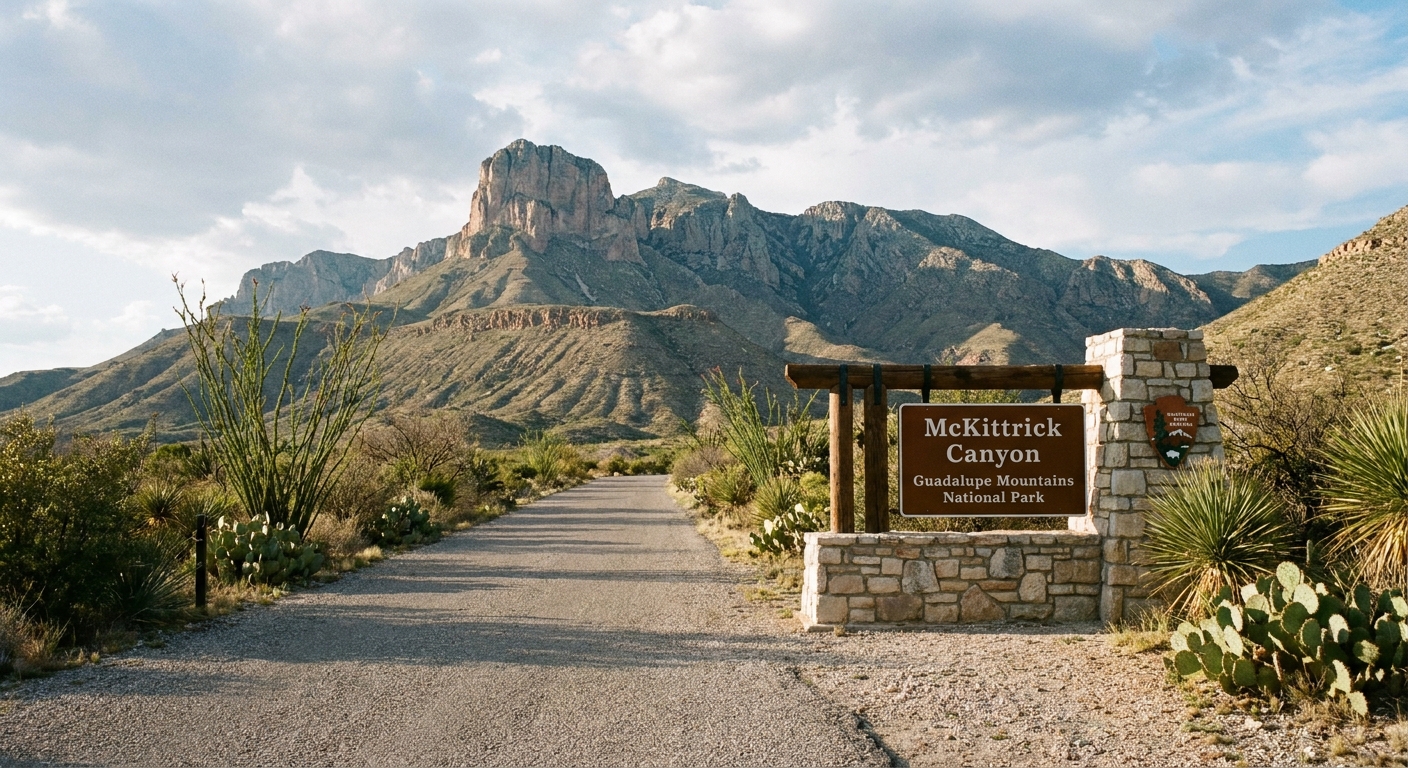
McKittrick Canyon is one of the park’s most beloved trails for a reason: it is unexpectedly lush compared to the surrounding Chihuahuan Desert, with cottonwoods and maples tucked into a narrow limestone canyon. The catch is that access is managed by a day-use gate, and that changes your entire pacing.
Know the gate rhythm
McKittrick Canyon has a gated access road to the trailhead. Gate hours can change by season and operational needs, so treat any single schedule you see online as a starting point, not gospel. Before you drive out, verify the current hours on the official National Park Service page or by calling the Pine Springs Visitor Center.
- Plan to arrive early. Parking is limited and the gate can cap your usable hiking window.
- Turnaround timing is real. If the gate closes at a set time, you need to be back at your vehicle before then, not just “heading out.”
- Build margin. Add buffer for photo stops, creek crossings after rain, and slower hiking if you are chasing fall color.
A few practical checks that help you execute, not just plan:
- Parking fill: On peak fall weekends, the lot can fill quickly. If you want a calm day, aim for gate opening or a weekday.
- Restrooms: Do not assume there will be open restrooms or water at the trailhead. Confirm current status before you commit.
- What “closing” means: Treat it as a hard requirement to be back to your car and ready to exit before closing time. Do not plan on sliding in at the last minute.
Easy turnaround options (rough miles)
If you want a relaxed pace, pick a shorter objective and let the canyon do the heavy lifting. Distances can vary slightly by source and detours, so think of these as solid planning numbers, not a stopwatch promise:
- Pratt Cabin: about 4.8 miles round trip. A popular turnaround for a satisfying half-day feel without the “are we going to make the gate” stress.
- The Grotto: about 7 miles round trip. A longer shaded canyon walk with a very “this is why we came” vibe, especially in fall.
- Hunter Line Cabin: about 9.8 miles round trip. A longer out-and-back that can still be doable within the day window if you start early and keep breaks reasonable.
If you want exact mileage for your chosen turnaround, confirm on the NPS site or at Pine Springs before you head out. The key is matching your objective to the gate window, not your optimism.
Seasonal timing
McKittrick Canyon is famous for fall foliage, but its real magic is how different it feels across the year. If you time it right, you get a cool shaded walk that contrasts beautifully with the bright desert outside the canyon.
Fall
Color typically peaks in late October into November, but exact timing swings with temperature and rainfall. Weekends in peak color can feel like a small festival. If you want the canyon to feel more like a canyon and less like a parade, aim for a weekday morning and start at the gate opening.
Winter
Lower canyon hiking can be wonderfully calm in winter, especially when the high ridges are windy. After storms, shaded sections can hold ice longer than you expect. Traction can help if you are going past the first few miles and temperatures have been below freezing.
Spring
Spring is underrated here. You may not get the dramatic leaf show, but you get comfortable temps, clear air, and that just-washed look after occasional rains. It is also a smart season if you are trying to avoid the busiest weeks.
Summer
Summer heat in the Guadalupes is no joke. McKittrick’s shade helps, but you still need an early start, a conservative turnaround time, and more water than you think you will use.
Guadalupe Peak is its own zone
One reason first-timers feel whiplash planning Guadalupe Mountains is that popular itineraries frame the park as “Devil’s Hall versus Guadalupe Peak.” In reality, the Guadalupe Peak and Pine Springs area is its own zone with different conditions and different risk factors.
Capitan Reef views without a big hike
Yes, the park’s mountains are part of a fossilized Permian-era reef system (the Capitan Reef), and you will see that story everywhere in the exposed limestone. What I mean by “Capitan Reef views” is not a branded set of overlooks on a map. It is a shorthand for short, low-commitment ways to stand close to the reef limestone and get the geology context without taking on a full mountain day.
Here are a few practical, Pine Springs adjacent options that tend to work well as a calmer add-on:
- Pinery Trail: a short interpretive walk near Pine Springs with a lot of payoff for minimal effort. Great when wind is ripping higher up.
- Frijole Ranch area: an easy stop with history, shade, and a different feel than the exposed trail corridors. Depending on current conditions and access, you may be able to add a gentle walk from here.
- Smith Spring (from Frijole Ranch): a moderate option if you want more trail time without committing to the Peak. Confirm current trail conditions before you go.
If you only want one simple, reliable choice: start with Pinery Trail, then decide if you want more once you see how the day feels.
Permian Reef Trail (official)
There is also an official Permian Reef Trail on the map. It is a strenuous route and it is not a quick add-on. Here is the key detail that gets lost in trip reports: the Permian Reef Trail starts at the McKittrick Canyon trailhead.
This is where people get tripped up. They hear “reef” and assume it is a short interpretive loop near Pine Springs. It is not. It is a full-commitment hike that begins out at McKittrick and climbs into serious terrain.
- Treat it like a serious hike with time, water, and weather planning to match.
- Confirm current conditions and any advisories on the NPS site or at Pine Springs Visitor Center before you go, especially if you are attempting it in heat, wind, or shoulder season weather.
Devil’s Hall, meanwhile, is a different experience entirely: a wash, some rock scrambling, and flash flood considerations. It is not a “lite version” of the Peak, it is simply a different kind of route.
If the forecast calls for high winds, freezing temps, or recent snow and ice, treat Guadalupe Peak as a high-commitment objective. There is no shame in pivoting to a lower stress day that still feels iconic.
Closures and conditions
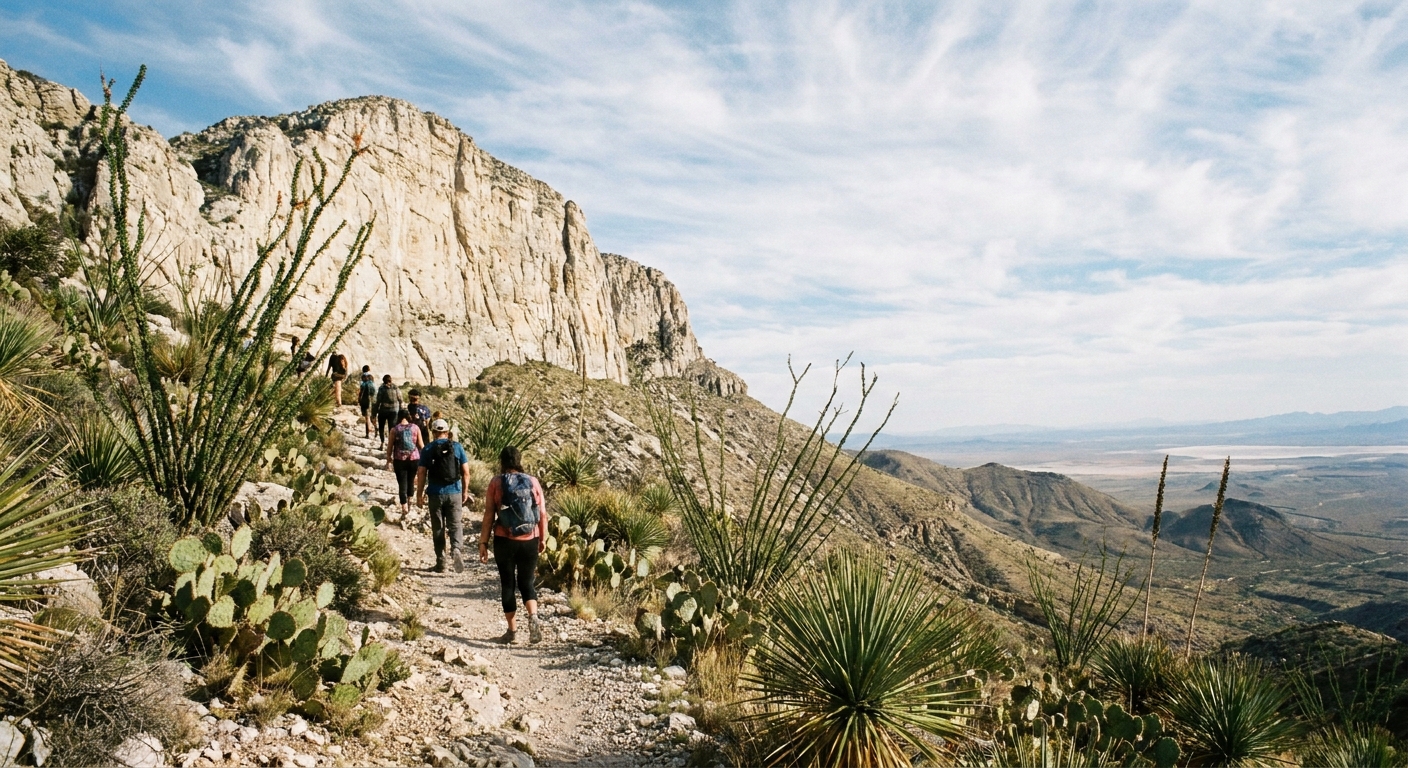
The Guadalupes are not just “hot or not hot.” Conditions shift fast, and closures can pop up due to weather, trail damage, wildfire risk, or road issues. A calm trip here comes from expecting change and building a plan that bends.
Common trip shapers
- High wind events: Guadalupe Peak and exposed ridges can be punishing. Wind chill turns a mild temperature into a very cold day.
- Ice on upper elevations: Shaded switchbacks and the upper Peak can hold ice after winter storms.
- Flash flood risk: Devil’s Hall is in a wash. If storms are forecast anywhere in the area, reassess.
- Fire restrictions: The region can move into tight restrictions during dry periods. This can affect cooking, campfires, and sometimes access.
- McKittrick gate hours: Not a closure in the dramatic sense, but it functions like one if you arrive too late.
My favorite mindset here is: pick one “reach” hike and one “sure thing” hike. The sure thing should be enjoyable even if the reach hike gets vetoed by wind or ice.
Water carry
Guadalupe Mountains rewards you for over-preparing with water. Most trails have no reliable natural water sources, and even shaded canyons can feel dehydrating in dry air. This is not the place to gamble on a filter saving you mid-route.
Do not assume water at trailheads
Also important: do not assume there is potable water at trailheads. In many desert parks, the reliable water points are limited to visitor centers and developed areas, and availability can change with maintenance or seasonal operations. Before you hike, confirm where you can fill up (and whether it is currently working) at Pine Springs, the campground, or other designated park facilities.
How much water to bring
Exact needs vary, but in this park I plan in ranges rather than a single number.
- Short McKittrick out-and-back: Bring enough for a few hours plus a margin. In cooler months that might feel easy, but you still want extra.
- Guadalupe Peak attempt: Treat it like an all-day, exposed effort. Many hikers carry several liters.
- Hot months: Increase significantly, start at dawn, and consider electrolyte mix.
Also: carry water where you can reach it. If it is buried under snacks and a jacket, you will sip less, then pay for it later.
Trail note: in dry parks, “I didn’t drink much” is not proof you packed right. It is often a sign you under-hydrated.
One calm day plan
If you wake up to a wind advisory, or you see rime ice up high, you can still have a day that feels full. Here is a low drama blueprint that keeps the best scenery and dials down exposure.
Morning: McKittrick Canyon
- Arrive at the McKittrick gate around opening time.
- Choose a turnaround based on your gate window and desired pace: Pratt Cabin (about 4.8 miles round trip), The Grotto (about 7 miles round trip), or Hunter Line Cabin (about 9.8 miles round trip) for many visitors.
- Snack often and keep moving gently so you do not get chilled in winter shade.
Midday: reset at Pine Springs
Head back toward Pine Springs for a reset. This is where simple comfort travel habits shine: a real lunch, a warm drink, and a few minutes to check updated conditions at the visitor center. If the upper mountain is getting hammered by wind, you will feel very smart about not committing.
Drive-time reality: McKittrick Canyon and Pine Springs are not next door. Budget time for the drive in both directions, plus a little slack for park traffic and stops.
Afternoon: easy reef limestone and big sky
Pick a shorter Pine Springs area option that gives you limestone, big sky, and that reef story without pushing you into the worst exposure:
- Pinery Trail if you want the most straightforward, low-commitment win.
- Frijole Ranch and (optionally) Smith Spring if you want a quieter, more history-and-shade kind of afternoon.
If the weather stabilizes, you can always extend. If it does not, you still get a satisfying “Guadalupes” moment.
Quick decision guide
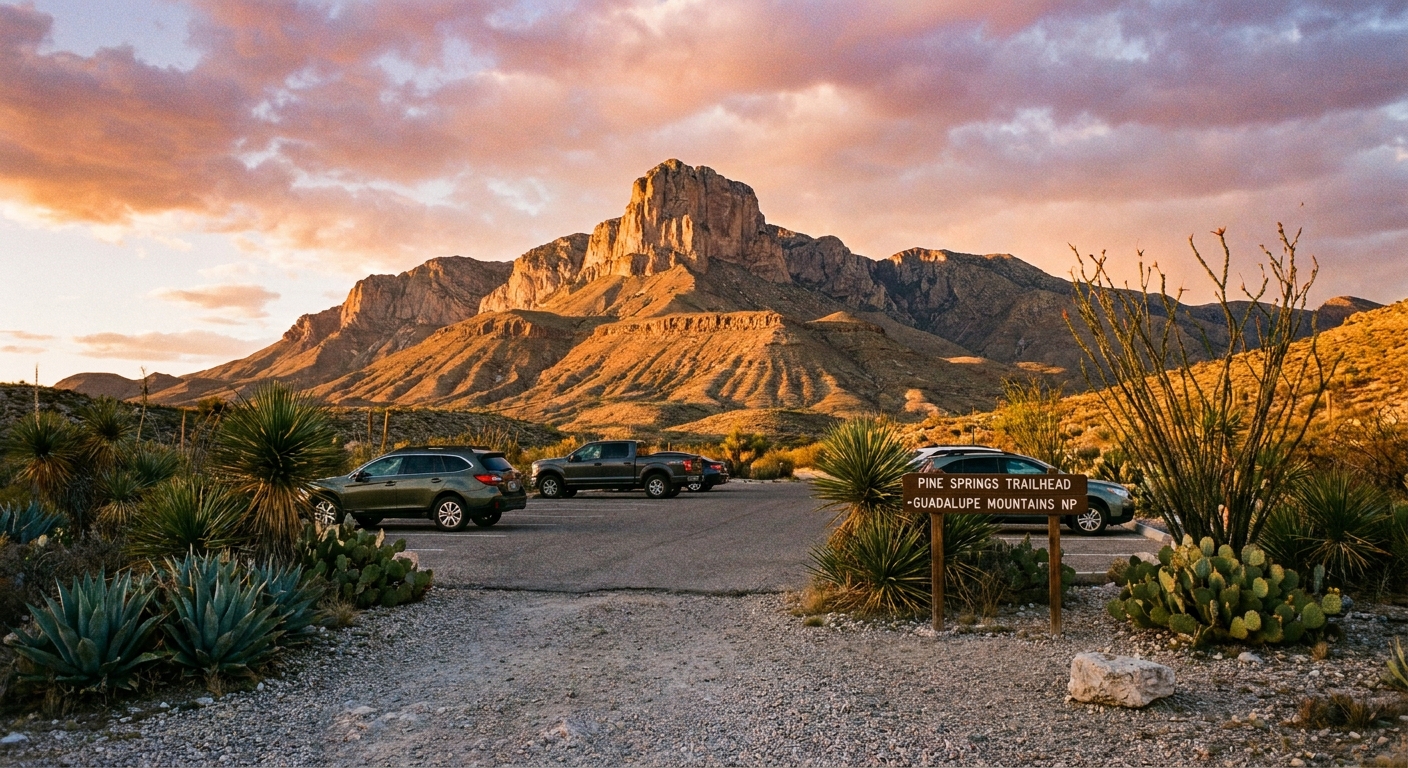
If you only have one day and want to pick the right primary objective, use this simple filter.
Choose McKittrick Canyon if
- You want a scenic, lower stress hike with shade and seasonal color.
- You are traveling with mixed fitness levels.
- It is windy or icy up high and you still want a memorable trail day.
- You can work within gate hours and like a time-boxed plan.
Choose Devil’s Hall if
- You want a route with light scrambling and a classic canyon wash experience.
- Weather is stable with low flash flood risk.
- You are comfortable navigating rocky terrain and sharing space on narrow sections.
Choose Guadalupe Peak if
- You want the summit of Texas and are ready for a big climb.
- Wind, ice, and storms are not in the forecast.
- You have the water, layers, and time to make it an all-day commitment.
Logistics
Start early
Between McKittrick’s gate window, limited parking, and how quickly conditions change on exposed trails, early starts are your best friend.
Expect spotty service
Cell service can be limited. Download maps ahead of time, and do not assume you can look up gate hours or trail status once you are already driving the park roads.
Pack for two seasons
It can be cold in the morning, warm at midday, and windy anytime. Bring a wind layer even when the sky looks friendly.
Leave no trace
McKittrick’s charm is how intimate it feels. Stay on trail, be patient when passing, and keep voices low. The canyon does not need help being dramatic.
Before you go
- Check current McKittrick Canyon gate hours on the official NPS site.
- Scan the forecast for wind speed, not just temperature.
- Ask at Pine Springs about ice on the upper Peak and any trail advisories.
- Confirm where potable water is available today (visitor center, campground, or other designated points) and fill up before you drive to trailheads.
If you build your day around McKittrick’s timing and treat the high country as an optional bonus, you get the best kind of Guadalupe day: the one where you end tired, not wrecked, and still have enough energy to go find a great coffee in town afterward.