Hermit Road Shuttle vs Desert View Drive (South Rim)
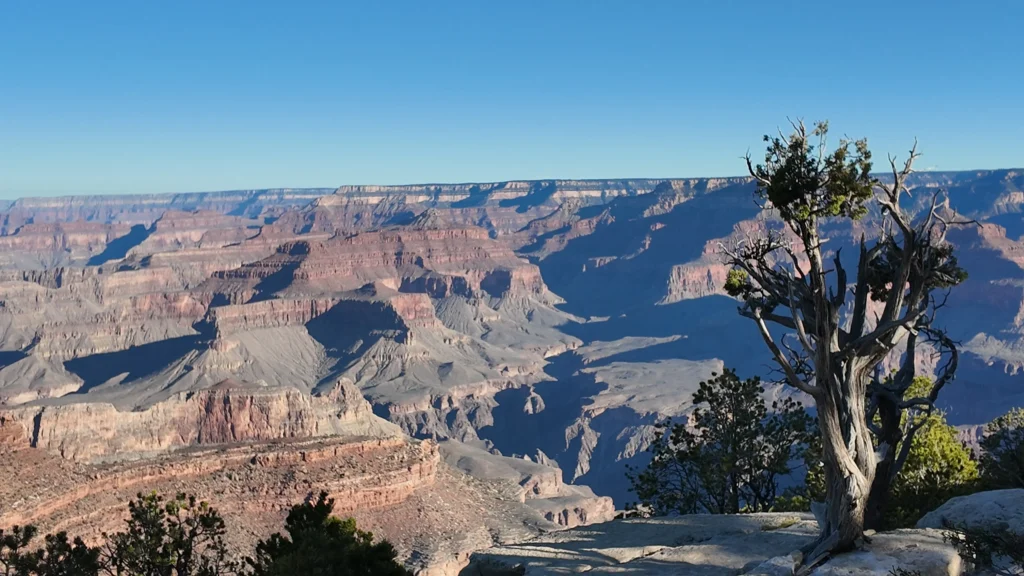
On your first South Rim visit, you will hear the same advice from everyone in the parking lots: Hermit Road for classic sunset overlooks and shuttle simplicity, Desert View Drive for the watchtower, river glimpses, and that wide-open, road trip feel.
Both are gorgeous. They also move at totally different rhythms. Think of this as choosing your canyon “corridor vibe” for the day, based on viewpoints, walking effort, time budget, and how you like to photograph.

The quick takeaway
- Pick Hermit Road (shuttle) if you want a low-stress, high-payoff loop of overlooks where the “wow” starts immediately, and you are happy to let the shuttle set your pace.
- Pick Desert View Drive (car) if you want more variety, more freedom, and a classic scenic drive with pullouts, short walks, and a strong finish at Desert View Watchtower.
If you have one half-day, choose one corridor and do it well. If you have a full day, you can combine them, but the trick is not trying to “collect” every stop.
Distance and scale
- Hermit Road: about 7 miles one way from the Village area out to Hermit’s Rest (by shuttle most of the year).
- Desert View Drive: about 25 miles one way from Grand Canyon Village to Desert View (drive your own vehicle).
Those numbers matter. Hermit Road feels like a compact overlook circuit. Desert View feels like a true scenic drive where stops and pullouts can stretch your timeline fast.
How the two corridors work
Hermit Road: shuttle most of the year
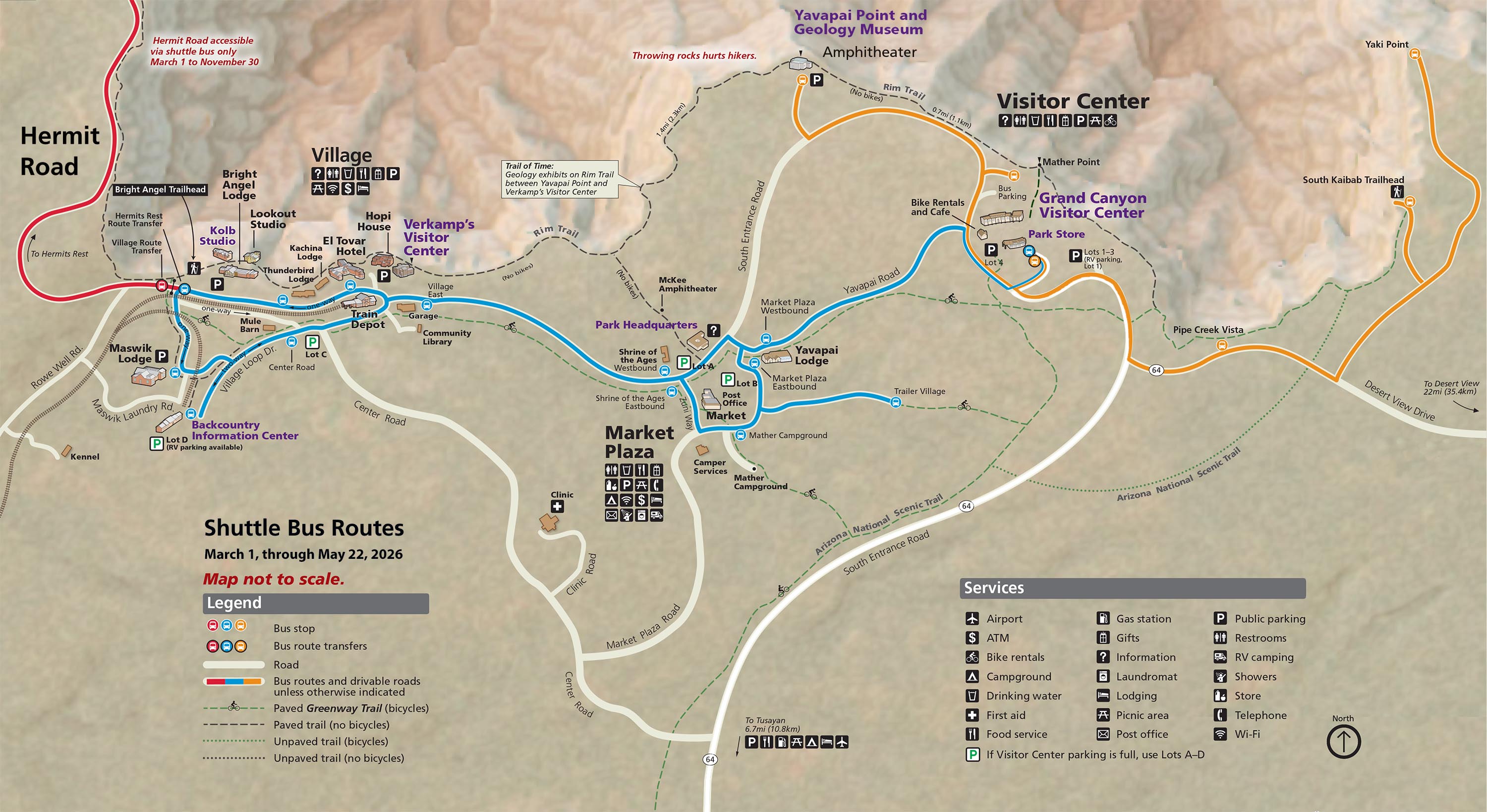
Hermit Road runs west from Grand Canyon Village. Private vehicles are typically restricted March through November and you ride the Hermit Road (Red Route) shuttle from the Village area. In winter (generally December through February), Hermit Road is usually open to private vehicles. Dates can shift, so it is worth confirming the current season schedule before you go.
- Core experience: stringing together overlooks with minimal logistics.
- Effort style: optional short walks between viewpoints, otherwise very gentle.
- Best for: sunset seekers, first-timers who want maximum scenery with minimal decision fatigue.
Desert View Drive: scenic highway with pullouts
Desert View Drive runs east from Grand Canyon Village toward the park’s east entrance. You drive your own car and stop at signed viewpoints and trailheads. It is more spread out, with more chances to build your own mini-itinerary. Like any popular scenic corridor, parking and occasional construction can affect specific stops, so check current conditions if you are visiting in peak season.
- Core experience: a road trip style sequence of overlooks, geology, and the watchtower.
- Effort style: lots of short, choose-your-own walks from parking areas.
- Best for: travelers who like freedom, families who need flexible stops, photographers chasing changing angles through the day.
Viewpoints: what you will see
Hermit Road viewpoints (western South Rim)
Hermit Road overlooks tend to feel like “big stage” canyon viewpoints. The views are wide, deep, and immediate, with lots of classic South Rim layering.
- Hopi Point: the headliner for sunset. Big horizon, big drama, and generally more room than some smaller overlooks, but it can still get very crowded at sunset in peak months.
- Mohave Point: strong “depth” and a satisfying sense of the canyon dropping away beneath you.
- Pima Point: a reliable spot to look for the Colorado River on clear-visibility days, plus a wide, wind-swept feel.
- Hermit’s Rest: more of a historic pit stop than a must-see viewpoint, but it is a fun turnaround and a classic place to reset.
Many stops are close enough that you can pair them with short rim walks without feeling like you are committing to a hike.
Desert View Drive viewpoints (variety and river angles)
Desert View’s magic is variety. The geology shifts, the canyon opens and narrows in different ways, and you get different angles that can feel more “textured” than the Village area.
- Grandview Point: a bold overlook with a sweeping feel. Even if you do not hike, standing here gives a sense of scale that hits differently.
- Lipan Point: a favorite for big, clean layers and a chance at river views depending on visibility.
- Moran Point: great for reading the canyon’s bands and colors, especially when the light gets slanted.
- Navajo Point: high, expansive, and often breezy, with a strong sense of elevation.
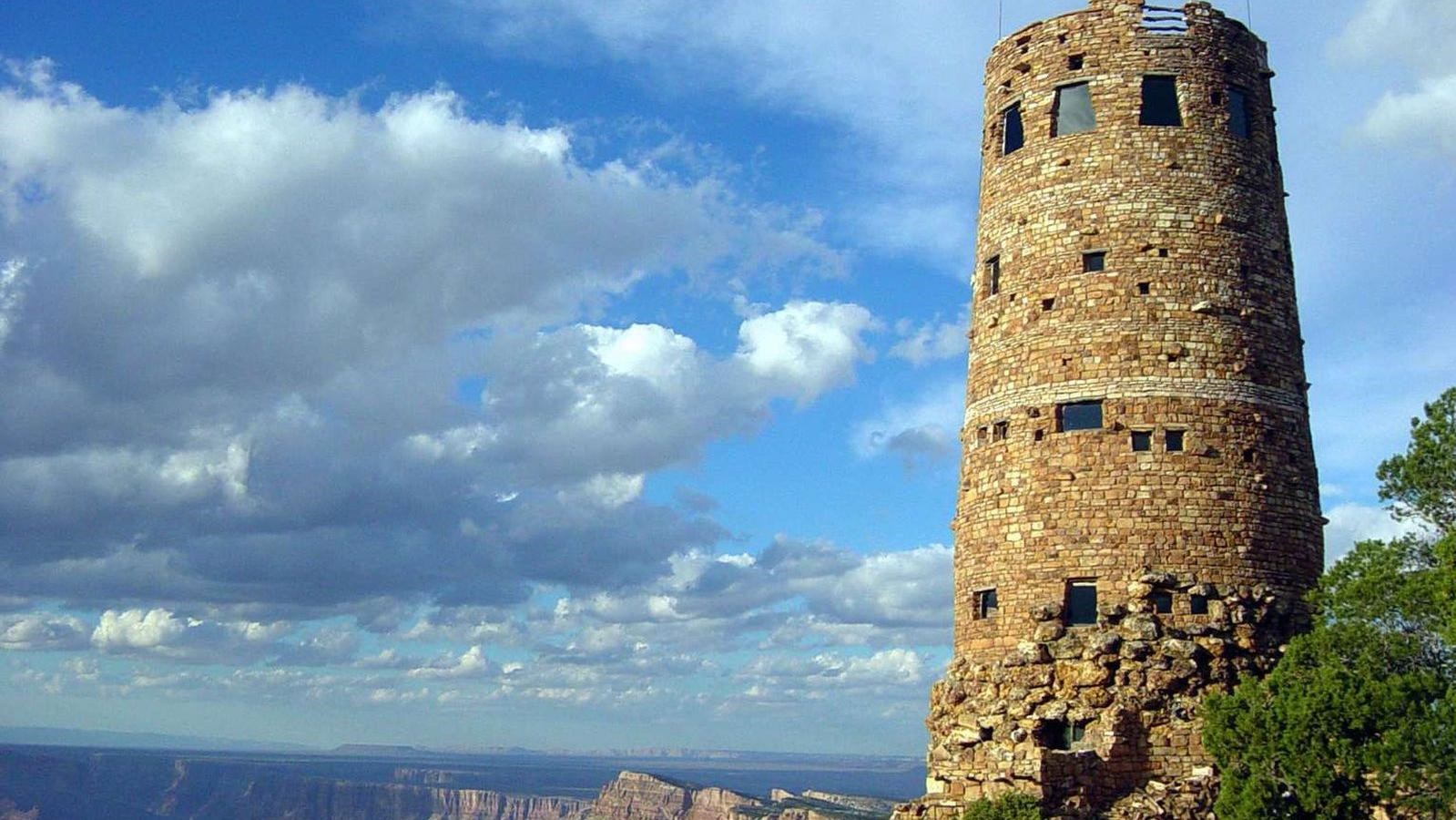
- Desert View Watchtower: the signature finish, where architecture and landscape combine into a very “only at the Grand Canyon” moment.
Walking effort
Hermit Road: more strolling, fewer choices
Hermit Road is friendly if you are traveling with mixed energy levels. You can do a full circuit of viewpoints with very little walking beyond stepping off the shuttle and wandering the rim path for a few minutes.
- Lowest-effort plan: hop off at 2 to 4 overlooks, spend 10 to 20 minutes at each, hop back on.
- Moderate-effort upgrade: walk short rim segments between adjacent shuttle stops for quieter views and fewer railings.
The walking here is less about distance and more about sun exposure. Shade can be limited. Bring water even for “just viewpoints.”
Desert View Drive: short walks add up
Desert View is still very accessible, but it is easy to rack up more time on foot because each viewpoint has its own spur path, stairs, or rim wandering.
- Lowest-effort plan: choose 3 main overlooks plus the watchtower and keep each stop tight.
- Moderate-effort upgrade: add extra pullouts and take time to explore the rim edges at each viewpoint.
Desert View can also feel hotter and more exposed at midday because you are out in open viewpoints with fewer buildings nearby. If you are sensitive to heat, aim for morning or late afternoon.
Time budgets that work
These are realistic pacing blocks for first-time visitors who want time to look, not just tick boxes. Times do not include long sit-down meals.
If you have 2 to 3 hours
- Hermit Road: pick 2 to 3 stops (for example, Mohave Point and Hopi Point) and linger. This is the easiest “I only have an afternoon” win.
- Desert View Drive: pick 2 viewpoints plus Desert View Watchtower. Do not try to stop at everything.
If you have 4 to 6 hours
- Hermit Road: ride the shuttle out, hop off at 4 to 6 overlooks, and walk one short rim segment. Add sunset if you can.
- Desert View Drive: do a classic drive with 4 to 6 viewpoint stops plus time at the watchtower. This is the sweet spot for Desert View.
If you have a full day
You can do both corridors, but choose a “primary” and a “supporting” experience.
- Option A (sunset priority): Desert View in the morning and midday, then Hermit Road late afternoon into sunset at Hopi Point.
- Option B (freedom priority): Hermit Road early while you have energy for shuttling and walking, then Desert View late afternoon when you want your own car and fewer shuttle logistics.
Simple logistics
Shuttle basics (Hermit Road)
- Where to board: from the Grand Canyon Village area at signed shuttle stops for the Red Route.
- Frequency: it varies by season and time of day. Plan for longer waits around late afternoon and sunset.
- Sunset lines: if Hopi Point is your goal, build buffer time so you are not watching golden light from a shuttle queue.
Driving basics (Desert View)
- Village to Desert View: roughly 25 miles one way, or about 40 to 50 minutes without stops. With viewpoints, it becomes a half-day easily.
- Parking reality: some pullouts fill fast. If a lot is packed, keep moving and catch the next viewpoint rather than circling.
- Check conditions: closures, construction, and temporary parking changes happen. A quick same-day check can save a lot of frustration.
Photography pacing
Hermit Road: fewer stops, better light
Hermit Road rewards photographers who choose one or two hero overlooks and let the light do its thing. The viewpoints are popular for a reason, and the compositions are strong even without a long lens.
- Best rhythm: arrive early, scout angles, then settle in for changing color.
- Best subject matter: layered ridgelines, big sky, silhouettes of visitors near the rim (if you like a sense of scale).
- Reality check: sunset crowds are real. If you want a calmer feel, photograph late afternoon instead of the final 10 minutes.
Desert View Drive: build a sequence
Desert View is ideal if you like collecting different compositions across the day: wide layers at one stop, geology at the next, then architecture at the end.
- Best rhythm: short stops with a clear goal, then move on before the light flattens out.
- Best subject matter: shifting geology bands, occasional river glimpses, the watchtower against changing skies.
- Tip: bring a lens cloth. Desert pullouts can be windy and dusty, especially near the rim.
Sunrise and sunset
- Best bet for sunset (most first-timers): Hopi Point on Hermit Road. Aim to arrive 45 to 60 minutes early in busy seasons so you can pick a spot and settle in.
- Easy sunrise options: Mather Point (near the Village) or Desert View (if you are already out east). Sunrise is often calmer than sunset and the light comes fast.
Which one should you choose?
Choose Hermit Road if you…
- are visiting for the first time and want the simplest plan with the biggest payoff
- want a classic sunset overlook without driving and parking stress
- prefer strolling and short rim walks over frequent parking-lot hopping
Choose Desert View Drive if you…
- like having control of your day and making spontaneous stops
- want the watchtower experience and a scenic drive feel
- are traveling with kids or a group where flexibility matters
If you are torn, use this tie-breaker
Pick Hermit Road for sunset. Pick Desert View for daytime exploring. If you can only do one corridor at one time of day, that pairing tends to make first-timers happiest.
Practical notes
- Start earlier than you think: the canyon is not a single overlook. It is a series of small decisions that take time.
- Wind is normal: a light layer makes rim lingering more enjoyable, even in warm months.
- Hydration is non-negotiable: viewpoint days still mean sun exposure, dry air, and more walking than it feels like.
- Accessibility: many viewpoints are accessible and suitable for wheelchairs and strollers, but surfaces can be uneven and crowded near railings. Take it slow and choose the easiest pullouts when needed.
- Do not over-schedule: the Grand Canyon is one of the few places where sitting still is an activity.