Many Glacier vs Logan Pass: Crowds, Parking, and Short Hikes
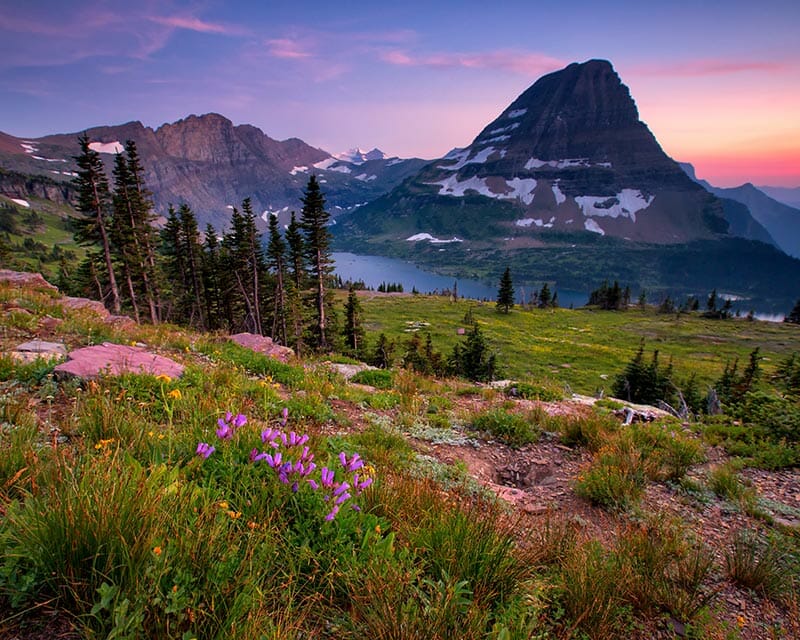
If you only have one day in Glacier National Park, the hardest decision is not what to see. It is where to commit. Many Glacier and Logan Pass are both headline acts, but they deliver totally different days: different traffic patterns, different weather exposure, different trail vibes, and very different odds of finding a parking spot without a stress-sweat.
Below is my field-tested comparison for picking the right hub on a single day, especially if you want short hikes with a huge payoff and you do not want your trip to be a parking-lot pilgrimage.

Many Glacier vs Logan Pass at a glance
- Best for big scenery with shorter hiking: Logan Pass (fast access to alpine views)
- Best for wildlife odds and lake-and-peak drama: Many Glacier
- Most parking pressure: Logan Pass (small lot, massive demand)
- Most self-contained day once you arrive: Many Glacier (fewer moving parts)
- Most exposed to wind, sun, and sudden weather: Logan Pass
- Best option if Going-to-the-Sun Road is restricted or you want a quieter feel: Many Glacier
Drive times you need to know
This is the make-or-break reality for a one-day plan: Many Glacier is on the far northeast side of the park, and it is not a quick hop from the west side.
- Staying in West Glacier or Apgar: expect 2+ hours each way to reach Many Glacier on a typical summer day, and longer with construction, traffic, or wildlife jams.
- Staying in St. Mary: Many Glacier is much more realistic for a one-day hub, usually around 45 to 75 minutes depending on traffic and where you are starting from.
- Logan Pass: drive time depends heavily on where you enter and how early you go. It is the spine of Going-to-the-Sun Road, so it is centrally placed but can be slow when the road is busy.
If you are west-side based and you only have one day, Many Glacier can absolutely be worth it, but you are signing up for a longer driving day. Treat it like a deliberate choice, not an afterthought.
Reservation and access realities
Logan Pass: Going-to-the-Sun Road rules shape your day
Logan Pass sits on Going-to-the-Sun Road, Glacier’s most in-demand corridor. In recent seasons, access has often involved timed entry or vehicle reservations for popular areas and peak periods. The details change year to year, and they can vary by corridor and by time of day. Think of this as strategy, not a static rulebook.
- Expect rules to vary: requirements can differ by entrance and corridor, and they may not apply outside certain hours.
- Shuttle can reduce the parking headache: riding instead of driving can save you from circling the lot. In some seasons, shuttle riders have been able to access the corridor without a separate vehicle reservation, but policies can change. Confirm the current rule for shuttle riders before you count on it.
- Early or late is your superpower: if you are driving, arriving very early is the single biggest factor in whether Logan Pass feels magical or maddening.
Do this tonight: check the National Park Service Glacier page for the current season’s reservation requirements by corridor, the shuttle schedule, and any construction alerts.
Many Glacier: often simpler, still check the rules
Many Glacier is its own world on the northeast side of the park via Many Glacier Road near Babb. It can be busy, but it often feels less like a timed-entry chess match and more like a classic national park day. Depending on the year, it can be simpler than Logan Pass, but it is not immune to reservations, construction, or closures.
- Reservations may apply: some seasons have included timed entry requirements for specific areas or corridors. Always verify current rules.
- Fewer shuttle dependencies: your day can be simpler if you have a car because you are not building your itinerary around bus headways and last pickup times.
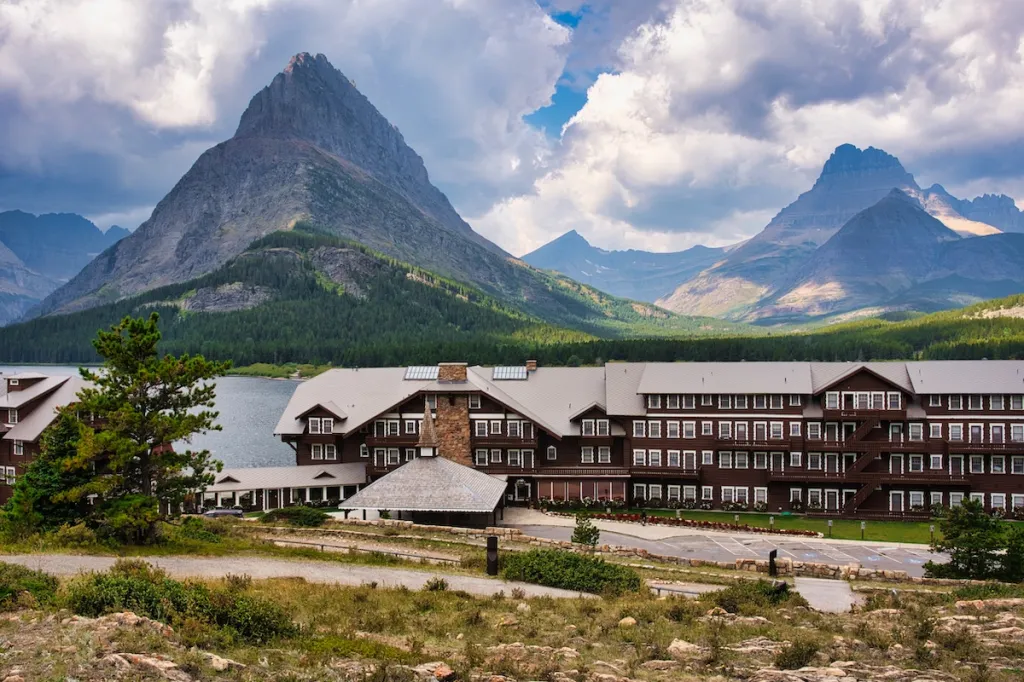
- Services are concentrated: Many Glacier Hotel area is the hub, which makes it easier to base camp even if you only have a few hours.
Crowds and parking
Logan Pass parking: one of the toughest lots
The Logan Pass lot is small relative to demand, and the trails begin right from the pavement. That is great for convenience and terrible for spontaneity.
- Best chance to park: very early morning or later in the afternoon
- Midday reality: long wait times and lots of slow loops as drivers hunt for a departing car
- Stress level: high if you arrive late and need to hike right then
If you are traveling with kids, newer hikers, or anyone who hates uncertainty, Logan Pass is often better as a shuttle day than a driving day.
Many Glacier parking: busy, usually less chaotic
Many Glacier has multiple parking areas near trailheads and the hotel complex, and traffic is more destination than pass-through. It can still fill up, especially on sunny days in peak season, but it tends to feel less like a game of musical chairs.
- Best chance to park: morning arrival, before late-morning hiking waves
- Midday reality: full lots near the hotel and popular trailheads, but turnover happens
- Stress level: moderate, especially if you are willing to start with a lakeside stroll and shift plans as spots open
Short hikes with a big reward
Let’s define short the way most real travel days work: you want standout scenery without committing your entire day to one long out-and-back. These are the crowd-pleasers that still feel worth the effort.
Logan Pass: quick alpine payoff
- Hidden Lake Overlook: A classic for a reason. Boardwalks, wildflowers in season, and fast access to high-alpine views. Expect exposure to sun and wind. Start early for a calmer experience.
- Trail of the Cedars (Avalanche area): A perfect Plan B if Logan Pass is socked in or the lot is a no-go. Just know it is not next door. It is typically a 30 to 45 minute drive from Logan Pass down Going-to-the-Sun Road, longer when traffic is heavy.
Why Logan Pass wins for short hikes: you step out into the alpine zone quickly. You do not have to earn the big views with a long approach.
Many Glacier: lakes, peaks, and wildlife odds
- Swiftcurrent Lake shoreline walks and short loops: Around the Many Glacier Hotel area, you can stitch together short walks along the shoreline and footbridges with constant mountain backdrops. Perfect if you have limited time or want a low-commitment start.
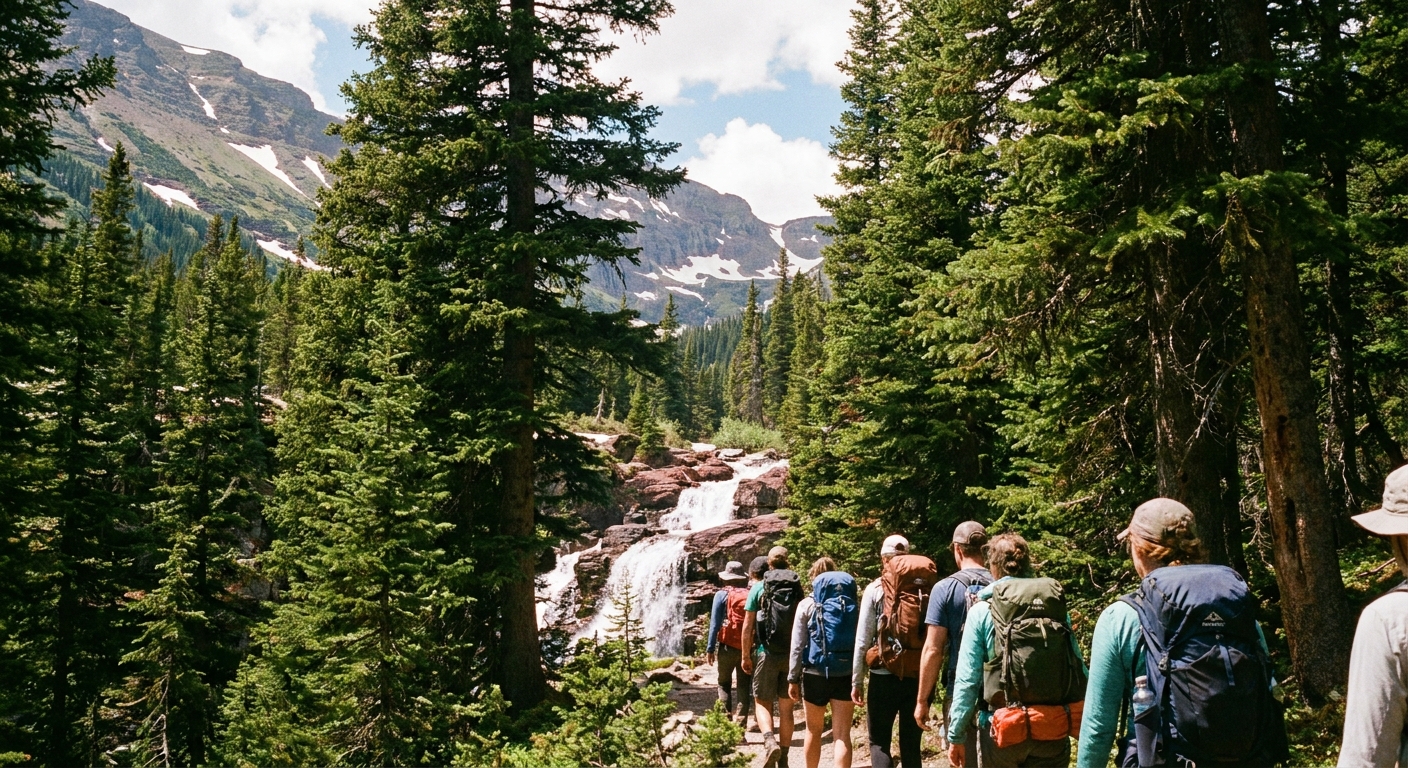
- Redrock Falls: A longer outing than a quick viewpoint stroll, but still a very doable half-day hike for many visitors, with a waterfall finish and good chances of seeing wildlife along the way. If you are trying to stay truly short, go partway and turn around when the views peak for your group.
Why Many Glacier wins for short hikes: the scenery is layered and immersive even on easy walks, and the wildlife potential can make a simple outing feel like an expedition.
Weather and exposure
Logan Pass: alpine and exposed
Logan Pass is high, open, and famously changeable. Sun can feel intense, wind can be sharp, and storms can roll in fast. Even on a warm day elsewhere in the park, the pass can feel chilly.
- Bring: a wind layer, a light insulating layer, and sun protection
- Good to know: fog and clouds can swallow views, so flexibility helps
- Comfort factor: lower for people who hate wind, heights, or narrow boardwalk crowds
Many Glacier: slightly lower, often more sheltered
Many Glacier can still see sudden weather shifts, but the experience is often less wind-blasted than the pass. Trails near lakes and in forest corridors can feel calmer, and you can tuck into the hotel area if weather gets moody.
- Bring: rain protection and layers, plus extra patience for wildlife-related trail pauses
- Comfort factor: higher for groups who prefer a more sheltered hike experience
Pick Logan Pass if...
- You want high-alpine views fast and love a dramatic mountain-road experience.
- You are willing to arrive very early or commit to using the shuttle.
- You are chasing wildflowers and classic Glacier vistas in a short time window.
- Your group is comfortable with wind, exposure, and busier trails.
Pick Many Glacier if...
- You want a day that feels more self-contained with fewer logistics once you arrive.
- You care about wildlife odds and that cinematic lake-and-peak scenery.
- You want the option to mix easy lakeside strolling with a longer hike if energy is good.
- You would rather trade iconic pass photos for a slower, calmer pace.
One-day decision recipes
Recipe A: You value certainty and minimal parking stress
Choose Many Glacier. Arrive in the morning, start with a shoreline walk near the hotel, then decide whether to extend into a longer hike based on weather and how your group feels. If you are staying on the west side, build the drive time into your day from the start so you do not end up rushing the best part.
Recipe B: You want the most iconic Glacier from above feeling
Choose Logan Pass. Either arrive very early to park or plan your day around the shuttle. Hit Hidden Lake Overlook, then pivot down the road to a lower-elevation stop if the pass is socked in.
Recipe C: You only have a half day
Lean Logan Pass if access is smooth. If you cannot get a spot or shuttles are slammed, bail quickly and salvage the day with lower-elevation trails and viewpoints along the corridor.
Packing and timing tips
- Start earlier than you think: it solves most of the Logan Pass problem and makes Many Glacier feel blissfully quiet.
- Bring a real layer system: especially for Logan Pass. Think sun hat plus windbreaker, even in August.
- Carry bear spray and know how to use it: Many Glacier is prime wildlife country, as is much of Glacier. Keep it accessible, not buried in your pack.
- Have a Plan B trail: clouds at the pass or full parking lots are normal. Flexibility is not just a nice trait here, it is the itinerary.
- Refillable bottle and snacks: you will save money and reduce waste. Glacier days get long in the best way.
Bottom line
If you want a quick-hit alpine experience and can commit to early timing or shuttle logistics, Logan Pass delivers the highest scenery-per-mile. If you want a more relaxed, wildlife-rich day with gorgeous lake views and fewer moving parts once you arrive, Many Glacier is your best one-day base.
Either way, Glacier rewards the traveler who starts early, packs layers, and treats parking as part of the adventure story you will laugh about later.