Monument Valley: Self-Drive vs Navajo-Led Tour
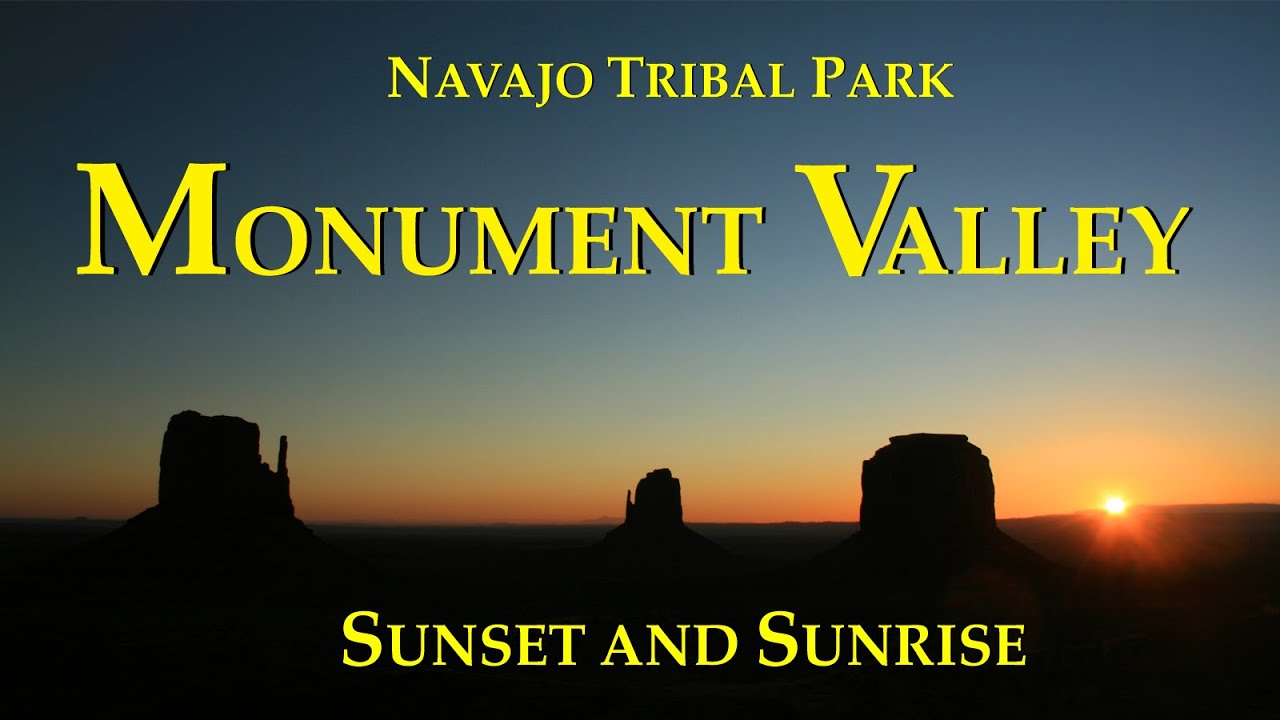
Monument Valley has a way of making you feel tiny in the best possible way. Those sandstone buttes rise like ships out of a rust-red sea, and the light changes so fast you will swear the whole landscape is breathing. The big question for first-timers is not whether to go. It is how: do you tackle the about 17-mile self-guided scenic drive, or do you ride with a Navajo (Diné) guide who can take you deeper into the valley?
This page breaks down the real differences, including what you can access on your own, what a guide unlocks, the best photography expectations, and the dust and weather realities no brochure highlights. (Details like mileage, fees, hours, and drone policy can change, so it is worth confirming on the official Monument Valley Navajo Tribal Park site when you finalize plans.)

Quick decision
Choose the self-guided scenic drive if you want
- Maximum flexibility to stop, linger, and chase light on your own schedule.
- A more affordable visit that still delivers the iconic Monument Valley views.
- A simple plan that fits between Page, Moab, or a longer Southwest road trip.
Choose a Navajo-led tour if you want
- Access beyond the public loop into areas you cannot visit independently.
- Stories and context about the land, place names, and cultural meaning that change how you see the scenery.
- Less stress about road conditions, navigation, and where stopping is actually allowed.
Cost snapshot
- Self-drive: typically your main cost is the park entry fee (often charged per person, sometimes with a vehicle component depending on current policy), plus your vehicle costs.
- Guided tour: commonly $75 to $100+ per person for popular options, with longer specialty tours costing more. Prices vary by operator, season, and tour length.
Tip: If you are deciding purely on value, think of a guided tour as paying for two things: access and interpretation. The views are great either way. The experience is not the same.
My simple first-timer framework
- If you have 1 to 2 hours: self-drive the loop and prioritize the classic pullouts. Add entry wait time in peak season.
- If you have half a day: self-drive plus a short guided tour, or book a longer guided tour and skip the road wear-and-tear.
- If this is a once-in-a-lifetime trip or you love learning the “why” behind landscapes: book a Navajo (Diné)-led tour.
Before you drive
The scenic drive inside Monument Valley Navajo Tribal Park is about 17 miles on an unpaved road, usually starting near the visitor center area. You pay the park entrance fee to access it, and you drive your own vehicle if conditions allow. Because this is Navajo Nation land, rules are there to protect fragile desert terrain and respect a living community.
Rental car warning
If you are in a rental, pause here. Most standard rental car agreements prohibit driving on unpaved roads. If you take a rental on the loop anyway, you may be assuming full financial liability for damage, tires, undercarriage issues, and towing. If that risk makes your stomach drop, that is a strong signal to book a guided tour instead.
Core rules to expect
- Stay on the designated road and use established pullouts. Off-road driving damages fragile desert soils and is typically prohibited.
- Do not enter restricted areas or wander toward homes, ceremonial sites, or signed private zones. Much of the valley beyond the public route requires an authorized Diné guide.
- Respect closures for weather, road conditions, or community needs.
- Pack out trash, including tissues and food scraps. Desert ecosystems do not “disappear” litter.
- Drones: policies on Navajo Nation land and within the Tribal Park can be strict and may be prohibited or require explicit permission. Do not assume you can fly. Confirm the current drone policy with the park before you unpack one.
Tip: The most common self-drive mistake is treating the loop like a national park scenic road where you can wander anywhere. Here, boundaries matter. The safest approach is to assume anything beyond a clear pullout or signed public area is off-limits unless you are with a guide.
Self-drive experience
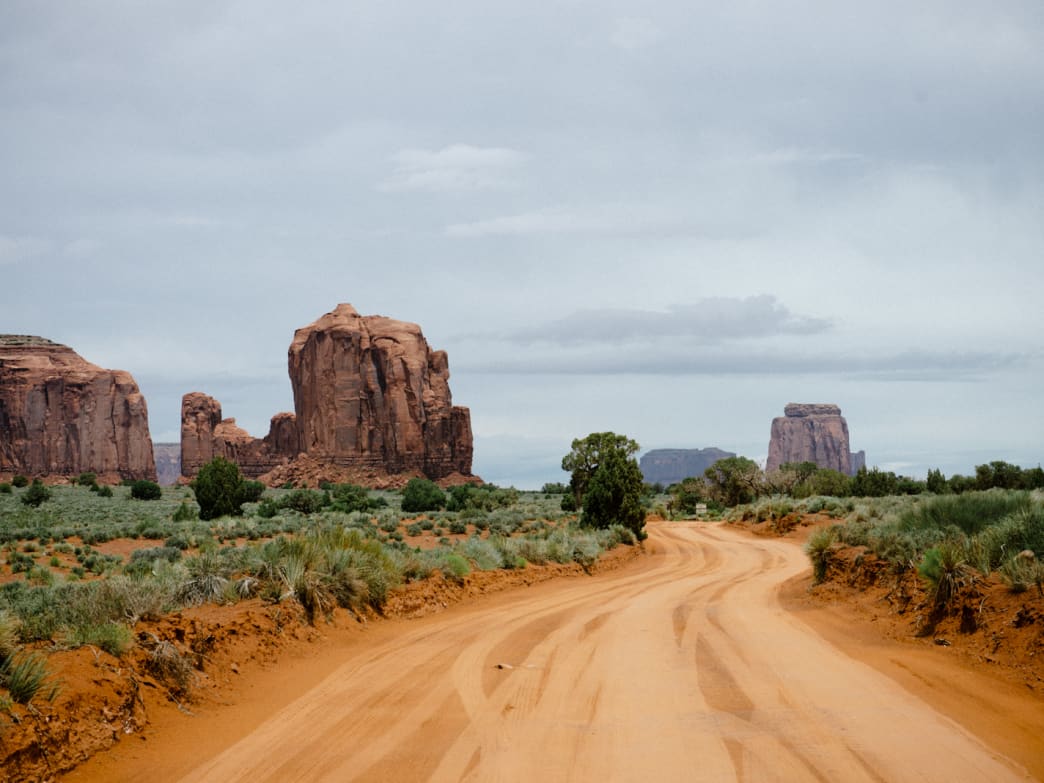
Self-driving Monument Valley is a classic American road trip moment, with a twist: it can be rugged. The road may be washboarded, rutted, and dusty depending on grading, recent traffic, and weather. Still, the payoff is immediate. Within minutes you are surrounded by world-famous formations that look unreal even in midday light.
What you can do on the public loop
- Classic viewpoints where the “postcard” skyline stacks up in front of you.
- Close-up perspectives that feel very different from the highway view as the road dips and curves.
- Designated pullouts for photos and quick breaks (what is open and signed can vary).
What self-drive does not include
- Backcountry access beyond the public route. In most cases, you need an authorized Diné guide to go deeper. If any permit-based access exists for specific areas, the park will be the final word, but for most visitors the practical options are public loop or guided tour.
- On-the-ground context unless you bring your own reading or audio ahead of time.
- Relief from road stress if you are in a low-clearance car, a rental you are babying, or you simply hate bumpy dirt roads.
What a Navajo-led tour adds
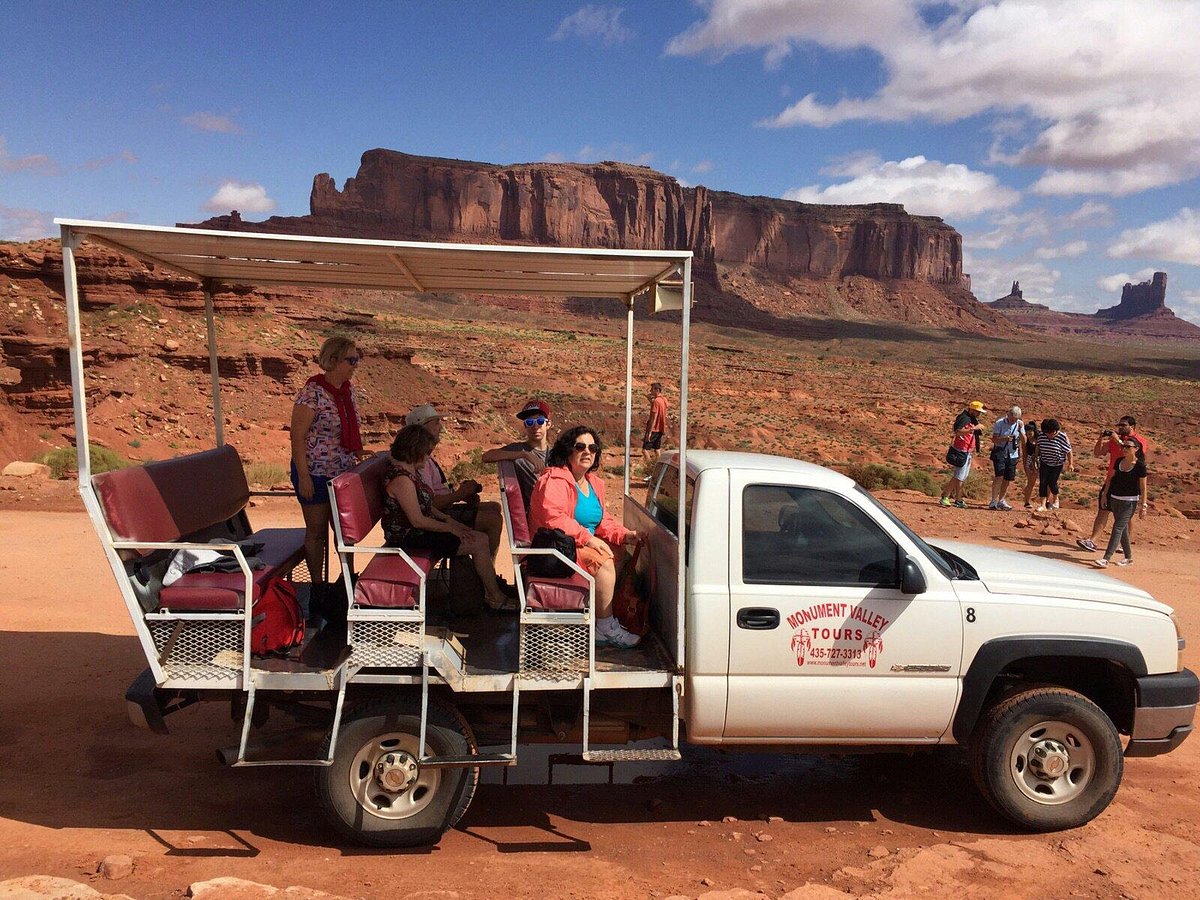
A guided tour is not only about comfort, although it can be. It is about permission and perspective. Diné-led tours can bring you into areas that are closed to independent visitors, and they connect the landscape to living culture rather than treating it like a movie set.
What you gain with a guide
- Expanded access to areas not included on the public loop.
- Local timing for light, weather, and crowd patterns, plus better odds of clean compositions.
- Storytelling and context about place names, meaning, and how families live in and around the valley.
- Less logistical friction if roads are rough or you are not comfortable driving on dirt.
What to look for when booking
- Route focus: public highlights only, restricted-area access, or a mix.
- Group size: smaller groups are often better for photographers and for quiet, respectful travel.
- Sunrise or sunset departures: prime light goes fast in the desert, and a guide can time it well.
- Photography pace: ask whether stops are timed or flexible.
- Reservations: in busy seasons, booking ahead can be the difference between “today” and “not happening.”
Photography tips
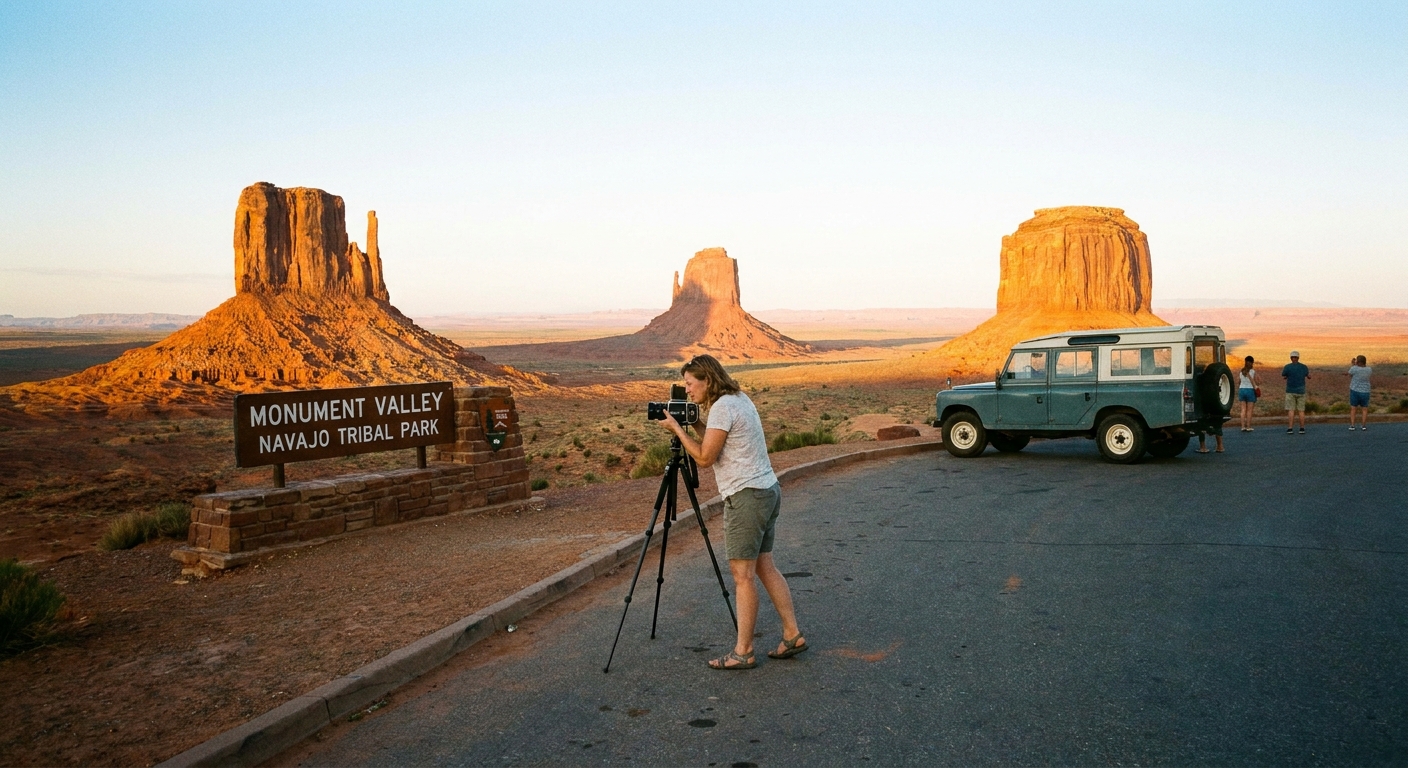
Monument Valley is one of those rare places where even phone photos look cinematic, but a few small choices make a huge difference.
Self-drive photography
- Pullouts are finite. You will not be stopping every 30 seconds without creating traffic or safety issues.
- Midday is harsh. If you can, aim for early morning or late afternoon for longer shadows and deeper color.
- Wind is normal. Stabilize your tripod and keep a hand on it.
- Stop names can vary. Rely on signed pullouts and current guidance rather than a memorized list from an old blog post.
Guided-tour photography
- Better timing with light, plus stops chosen for angles rather than convenience.
- Less guesswork about what is allowed, where to stand, and what is off-limits.
- Potential access to compositions you cannot get from the public loop.
Dust and gear
Dust is part of the deal. Bring a microfiber cloth, consider a small blower, and keep a simple zip bag handy for your camera during windy stretches. It will save you from grit in buttons, zippers, and lens caps.
Dust, weather, and roads
Monument Valley is high desert. That means big skies, big temperature swings, and a road that can feel like a washboard depending on recent traffic and grading.
Dust and dehydration
- Dust gets everywhere, including inside your car and into your gear.
- Carry extra water. Dry air and wind dehydrate you faster than you expect.
- Eye and face protection helps if wind kicks up, even just sunglasses and a light buff.
Rain and storms
- Road conditions can change fast after rain, and traction can drop quickly.
- Flash flooding is real in desert regions. Avoid low spots and never drive through moving water.
- Lightning risk increases at open viewpoints. If storms build, get back in the vehicle and wait it out.
Vehicle notes
- High clearance helps, especially if the road is rough.
- Drive slowly to protect tires and suspension. Washboard vibrations can be brutal on rentals.
- Check your spare before you arrive. Desert flats are not fun.
If you are unsure about conditions when you arrive, ask at the entrance or visitor area. If the road looks like something your vehicle should not be doing, trust that instinct and pivot to a guided tour.
Respectful etiquette
This is not just a scenic backdrop. Monument Valley is part of the Navajo Nation, and people live and work in and around the park. The most memorable visits I have had in the Southwest were the ones where I slowed down and treated the place like someone else’s home, because it is.
Do
- Follow signage and stay within designated public areas unless you are with a guide.
- Ask before photographing people, homes, or cultural demonstrations.
- Support Diné-owned businesses when you can, from tours to crafts to food.
- Keep noise low. Let the wind and the ravens be the soundtrack.
Do not
- Climb on formations or wander into fenced or signed areas.
- Take rocks, pottery shards, or plants. Leave what you find.
- Assume film history equals permission. Many famous scenes were shot here, but that does not make the land a set.
Rule of thumb: if you would not do it in someone’s front yard, do not do it in Monument Valley.
Sample plans
If you self-drive (2 to 3 hours)
- Arrive early for softer light and fewer vehicles on the loop.
- Build in entry time during peak season. Lines at the gate can add real minutes.
- Stop only at established pullouts and keep an eye on traffic behind you.
- Plan for dust: wiping lenses, shaking out floor mats, and rinsing your face feels oddly necessary here.
If you book a guided tour (2.5 to 4+ hours)
- Choose sunrise or sunset if photography matters.
- Tell your guide your priorities: geology, history, cultural context, quieter stops, or photo pacing.
- Bring layers. Desert mornings can be cold, and open-air vehicles amplify wind.
FAQ
Is the scenic drive paved?
No. The loop is typically unpaved and can be rough, dusty, and rutted depending on conditions.
Can any car do the loop?
Often, passenger cars make it through in decent conditions, but clearance and comfort vary. If you are in a low-clearance vehicle, protecting a rental, or the road is freshly churned up, a guided tour is usually the calmer choice.
Do rental cars allow the loop?
Many do not. Most standard rental agreements prohibit unpaved roads and do not cover damage or towing from off-highway travel. Read your contract, not a forum thread.
Do I need a tour to see Monument Valley?
No. You can see iconic views on your own via the public scenic drive and viewpoints. You generally need an authorized Diné guide to access areas beyond the public route.
What is the single biggest reason to book a Navajo-led tour?
Access and context. You see more of the valley, and you understand more of what you are seeing.
Are drones allowed?
Drone rules can be strict on Navajo Nation land and within the Tribal Park. Do not assume you can fly. Confirm current policy directly with the park.
The bottom line
If you are here for the classic road trip photo, the self-guided loop absolutely delivers, as long as you respect boundaries, prepare for dust, and think carefully about rental car restrictions. If you want to go beyond the obvious and leave with stories that stick, a Navajo (Diné)-led tour is the upgrade that can change Monument Valley from “beautiful” to “meaningful.”