Mount Hood Day Hikes for a Portland Weekend
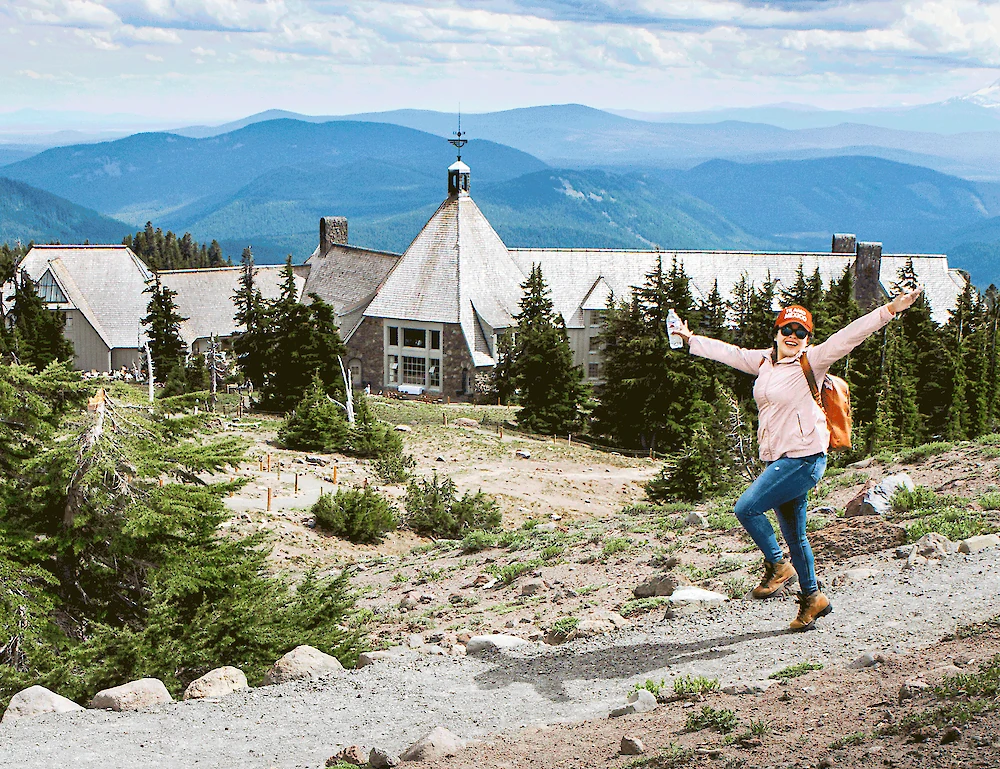
Portland weekends have a way of splitting loyalties: one part of you wants pine air and volcano views, and the other wants a good cappuccino and a real bed by midnight. Mount Hood is the rare place that lets you have both. In under two hours you can be hiking above tree line, then be back in the city in time for dinner.
This guide focuses on three day-hike favorites that feel “Mount Hood big” without requiring mountaineering skills: Timberline-area routes, Mirror Lake (with the option to tag Tom, Dick and Harry), and a couple of real loop hikes that keep you off the out-and-back treadmill. I am also weaving in the stuff that usually gets people on Hood: seasonal snow lines, parking logistics, and the permits that are easy to forget until you are already at the trailhead.

Before you go
Snow reality check
Mount Hood hikes are highly seasonal even when Portland is already in patio weather. A few practical rules of thumb:
- Late fall through spring: Most trailheads are snowy or icy. Expect microspikes to be useful and route-finding to be trickier once tracks disappear. Avalanche terrain exists on Hood, so stay on well-traveled routes and know your limits.
- Early summer: The lower forest trails often melt out first, while higher Timberline-area trails can still hold steep snow. You might start in wildflowers and finish on a snowfield.
- Mid-summer through early fall: The most straightforward window for these day hikes. Still pack a layer. Hood makes its own weather.
My carry-on-only packing mindset applies to day hikes too: bring traction if conditions call for it, a paper or offline map, and an extra warm layer even if the forecast looks friendly in town.
Permits and fees
- Northwest Forest Pass or fee equivalent: Many popular Mount Hood trailheads require a day-use fee. If you hike Oregon often, the Northwest Forest Pass is usually worth it. If not, look for day passes or fee stations depending on the trailhead.
- Mirror Lake area: This is in the Mount Hood National Forest along Highway 26 and typically requires a standard day-use fee or equivalent pass at the trailhead.
- Wilderness permits: Some areas use self-issued wilderness permits at the trailhead. They are usually free and help land managers track use. Fill them out when present.
Quick note: Fees and pass rules can change by season and by specific parking lot. Check the Mount Hood National Forest site the night before, especially during peak summer weekends.
Parking that saves your morning
- Arrive early: For Mirror Lake and Timberline, summer weekends can fill up fast. Showing up before mid-morning is the difference between hiking and circling.
- Mirror Lake parking update: The Mirror Lake trailhead parking was moved to the Mt. Hood Skibowl East lot off Highway 26. It is a safer setup than the older roadside pullouts, and it is the lot most people should be aiming for.
- Have a backup: If your first-choice lot is full, know the next closest trailhead or a loop variation that starts nearby.
- Pack your patience: This is the closest big volcano to a major city. Expect crowds and plan your route to earn quieter moments.
Hike 1: Timberline to Zigzag Canyon
If you want “volcano energy” in a single day, Timberline is the cheat code. You start high at Timberline Lodge and get immediate alpine terrain without grinding thousands of feet through forest first.
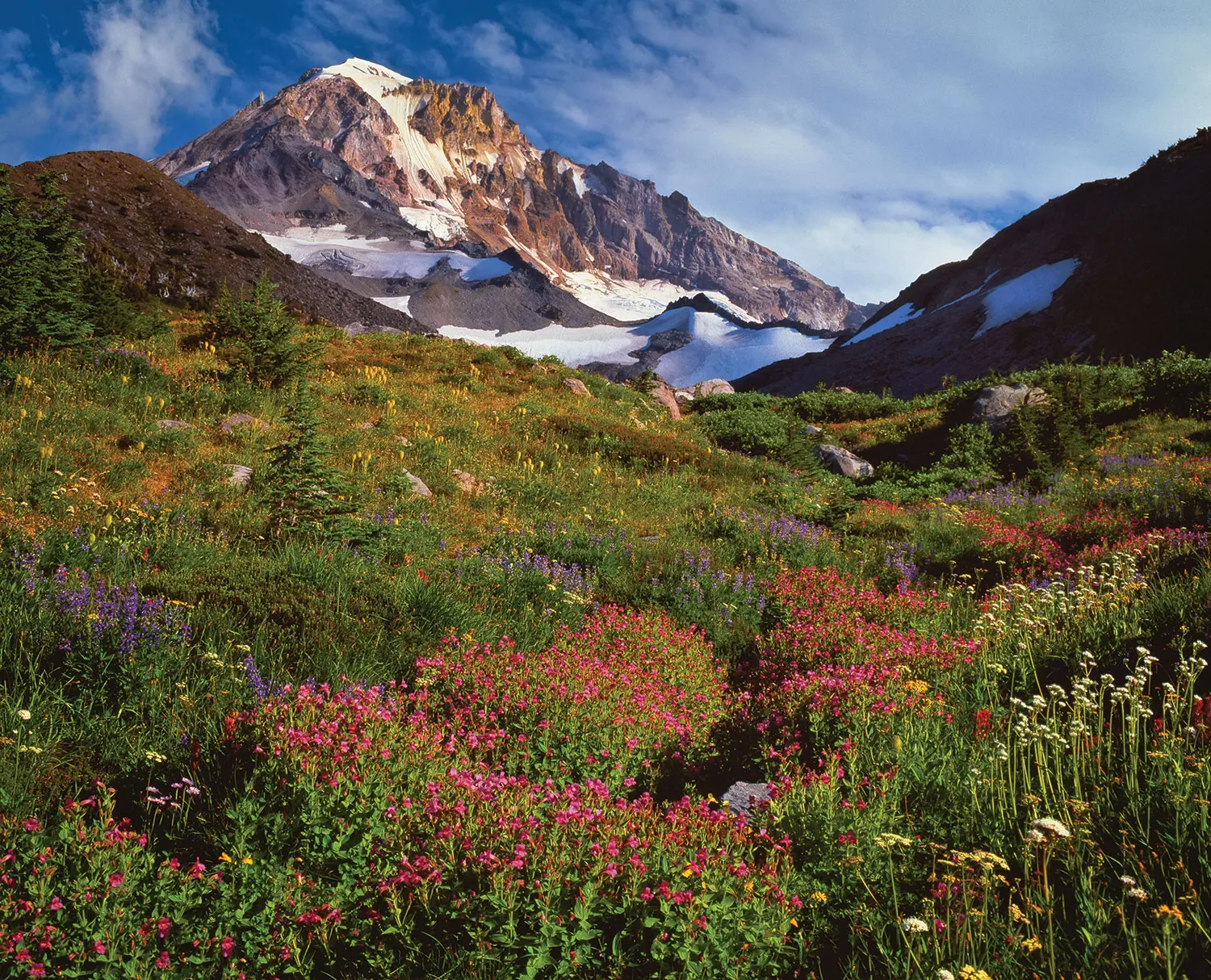
Classic: Timberline to Zigzag Canyon
Why it is worth it: Wide-open views, dramatic canyon cuts, and that satisfying feeling of hiking on the shoulder of a volcano.
- Distance: about 5 miles round trip to Zigzag Canyon and back (easy to shorten or extend depending on turnaround)
- Elevation gain: roughly 800 to 1,100 feet, with rolling ups and downs typical of the Timberline Trail
- Best season: July through early October for most people, or later with solid traction and comfort on snow
Trail vibe: You will share the path with day hikers, trail runners, and through-hikers tackling the Timberline Trail. The payoff is constant scenery, not a single destination.
Local comfort pairing: Start or finish with a stop inside Timberline Lodge. Even if you do not stay overnight, it is one of the most iconic mountain lodges in the Pacific Northwest and makes the whole outing feel like a mini-vacation.
Variation: Little Zigzag Falls
If you want to make this feel less like a straight “out and back,” tack on a quick detour to Little Zigzag Falls (via the Little Zigzag Trail) on your way in or out. It is a small change that buys you a different texture: shaded forest, water sound, and a reset before you pop back into alpine exposure.
- Distance: add about 1 to 2 miles, depending on exactly how you stitch it in
- Good to know: Snow can linger on shaded sections even when the lodge area looks dry
Hike 2: Mirror Lake
Mirror Lake is a classic for a reason: a short climb through forest opens to a photogenic lake with a Mount Hood reflection on calm days. It is also one of the most popular trailheads on the mountain, so going in with the right expectations is the secret to enjoying it.
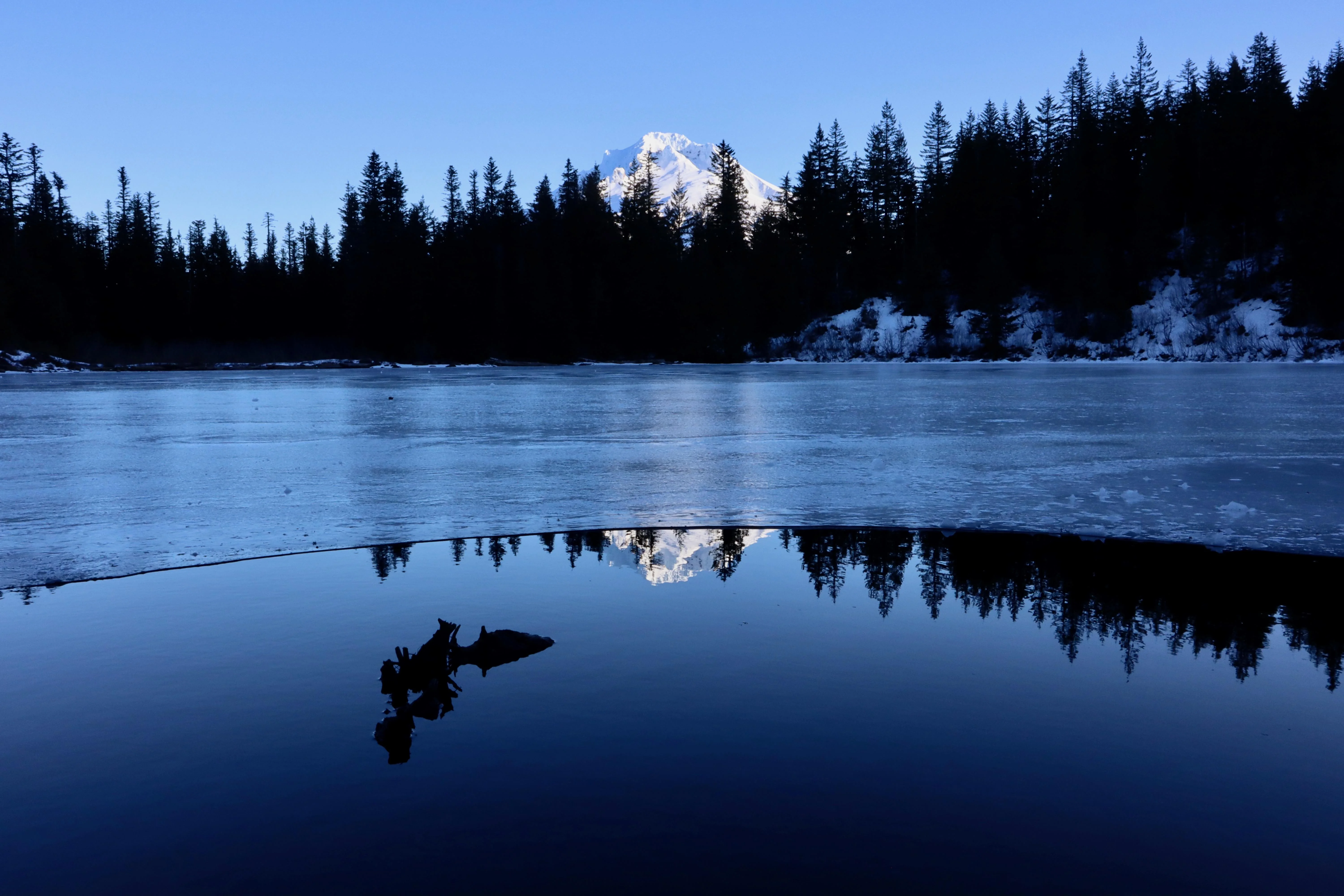
Mirror Lake to the shore
Why it is worth it: You can squeeze this hike into a half day and still feel like you got a real Mount Hood experience.
- Distance: about 4.2 miles round trip
- Elevation gain: about 900 to 1,000 feet
- Best season: late spring through fall, but expect lingering snow earlier than you would in Portland
How to make it feel less hectic:
- Go early: Sunrise or early morning gives you the best chance at a true “mirror” and fewer voices carrying across the water.
- Walk past the first viewpoint: Many people stop at the first obvious spot. Continuing around the shore often buys you a quieter angle.
- Pack a small sit kit: A light layer to sit on turns this into a mellow coffee-and-snack moment, not just a photo stop.
Extend it: Tom, Dick and Harry
If you want to level up without committing to an all-day sufferfest, the climb above Mirror Lake delivers some of the best “lookout” views for the effort. The ridge and summit area is a big, open stage with Mount Hood front and center.
- Distance: about 9 miles round trip from the Mirror Lake trailhead
- Elevation gain: about 1,700 to 1,900 feet
- Heads up: This section can hold snow longer and may be windier and colder than the lake area
Hike 3: Loop hikes
Loops are my favorite way to hike because the scenery keeps changing and you never have that mental bargaining of “we still have to go back the same way.” Around Mount Hood, loop options often mean combining a couple of connected trails. Here are two concrete, GPS-friendly loop days with very different moods.
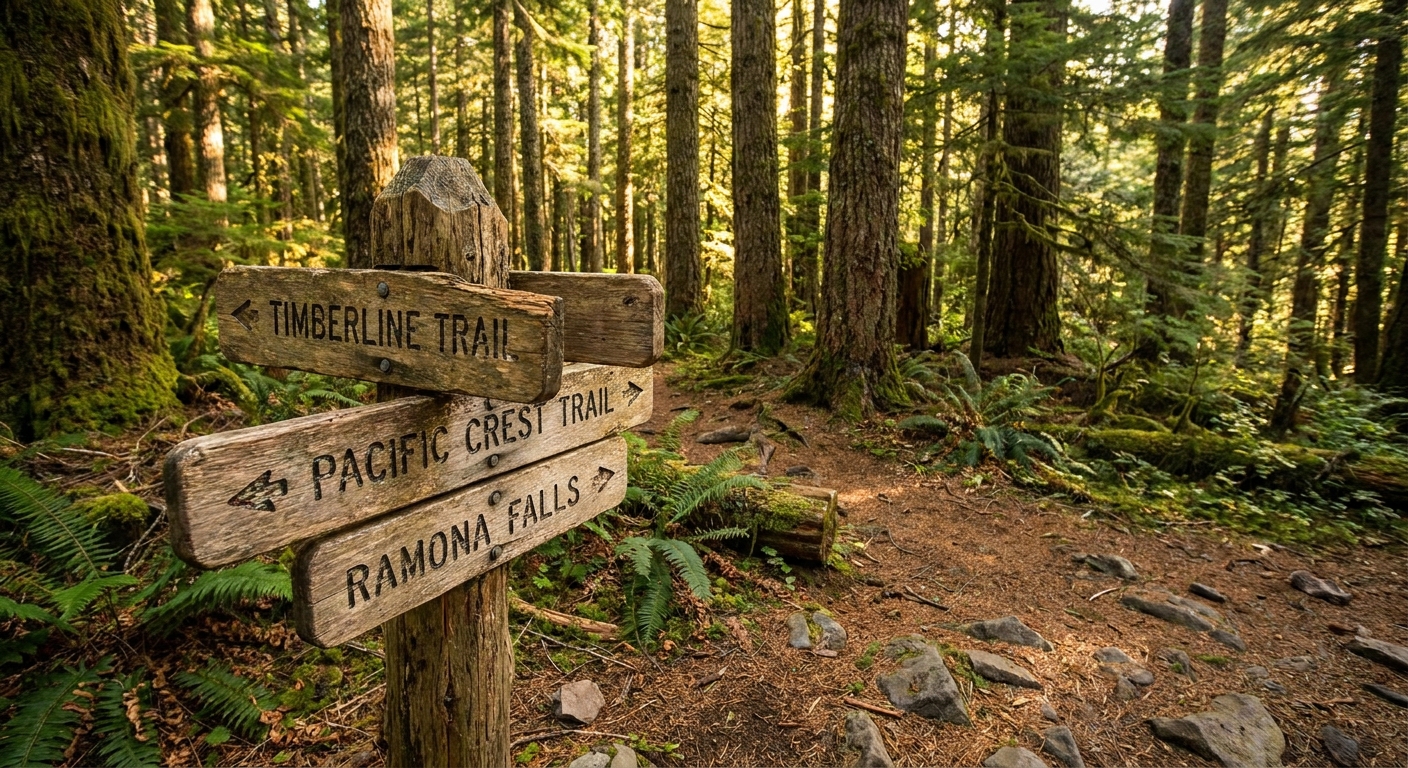
Loop: Umbrella Falls and Sahalie Falls
Why it works: Forest, waterfalls, and a satisfying sense of progress without complicated navigation. This is a great “I want a loop, not a sufferfest” option.
- Route: Umbrella Falls Trail plus a short connector to include Sahalie Falls, forming a loop from the Timberline area
- Distance: about 6 to 7 miles depending on the exact connector and any viewpoint spurs
- Elevation gain: roughly 1,200 to 1,600 feet
- Best season: summer to early fall (snow can hang around near Timberline into early summer)
- Best for: Families, mixed-pace groups, or anyone hiking with a “comfort first” agenda
Navigation tip: Download an offline map before you leave cell coverage and confirm which connectors are open. Little junctions in this area can be easy to sleepwalk past when you are chatting.
Loop: McNeil Point
Why it works: This one earns its bragging rights. You get big, close-up Hood views and a high, airy finish that feels properly alpine without technical terrain. It is also its own world on the northwest side of the mountain, so think of it as a separate “region day” from anything on Highway 35.
- Route idea: Start at Top Spur, climb to McNeil Point, then return via the Timberline Trail to make a loop (or a lollipop, depending on snow and any closures)
- Distance: typically 10 to 12 miles depending on the exact loop variation
- Elevation gain: roughly 2,800 to 3,600 feet
- Best season: mid-summer through early fall, once higher sections melt out
- Conditions note: This route is very likely to be affected by lingering snowfields and wind. If you are unsure, choose the Umbrella Falls loop or stick to Mirror Lake.
Reality check that saves a drive: McNeil Point is not connectable with Elk Meadows in a single day hike. Elk Meadows sits on the east side of Hood off Highway 35, while McNeil Point is accessed from Top Spur and Lolo Pass roads on the northwest side. Pick one area and commit.
Loop: Elk Meadows and Gnarl Ridge
Why it works: If you want that classic meadow moment, this is the one. Elk Meadows delivers the postcard foreground, and adding a bit of Gnarl Ridge gives you a more rugged, volcanic feel without needing to turn the day into a mountaineering project.
- Route idea: Start at Elk Meadows (Highway 35), make the meadow loop, then add an out-and-back or small loop extension toward Gnarl Ridge depending on conditions and energy
- Distance: roughly 7 to 10 miles depending on your Gnarl Ridge add-on
- Elevation gain: about 1,400 to 2,500 feet depending on how far you go beyond the meadows
- Best season: mid-summer through early fall
- Best for: People who want meadows first, views second, and a flexible turnaround plan
Hood and the Gorge
You do not need to cram two major regions into one day unless you love driving as much as hiking. But for a Portland weekend, a simple split works beautifully: one day on Hood, one day in the Gorge.
Since Town Wander already has Columbia Gorge waterfall coverage, here is the add-on strategy without repeating that entire loop:
- Option A (most relaxed): Do Mount Hood on Saturday, then pick one Gorge corridor or viewpoint-focused outing on Sunday, plus a long lunch in Hood River.
- Option B (sunrise chasers): Catch Mirror Lake early, then drive toward the Gorge for a short afternoon walk and sunset viewpoints.
- Option C (bad-weather pivot): If Hood is socked in, switch the schedule and head to the Gorge first. Low clouds can still make waterfalls dramatic even when volcano views disappear.
Linking them without stress: Treat Hood as your “big hike” and the Gorge as your “scenic stroll plus food” day, not two big hikes back-to-back unless you are already conditioned for it.
Weekend plan
One-day Hood itinerary
- 7:00 to 8:30 a.m.: Drive from Portland, grab coffee en route, and aim to park early
- Morning: Hike Mirror Lake (add Tom, Dick and Harry if conditions and energy are good) or head straight to Timberline for alpine terrain
- Early afternoon: Post-hike lunch in Government Camp or at Timberline Lodge
- Late afternoon: Optional short add-on walk or scenic stop, then head back to Portland
Two-day split
- Day 1: Timberline-area hike, lodge time, and an easy dinner back in Portland
- Day 2: Mirror Lake or a loop option in the morning, then a mellow city afternoon with galleries, a neighborhood coffee hunt, and a proper meal
Leave no trace
Mount Hood is loved hard. A few small actions make a big difference:
- Stay on trail in meadows: Those wildflower slopes are fragile and recover slowly.
- Pack out everything: Yes, including fruit peels and coffee grounds.
- Give wildlife space: Keep your distance and do not feed anything, even the “bold” squirrels.
- Be parking-lot kind: Pull fully into your spot, keep trailhead access clear, and share the road patiently.
If you only remember one thing: on Mount Hood, conditions can change faster than your playlist. Dress for the wind, check the forecast, and leave enough daylight to get back without rushing.