Muir Woods: Reservations, Parking, and Hikes Beyond the Grove
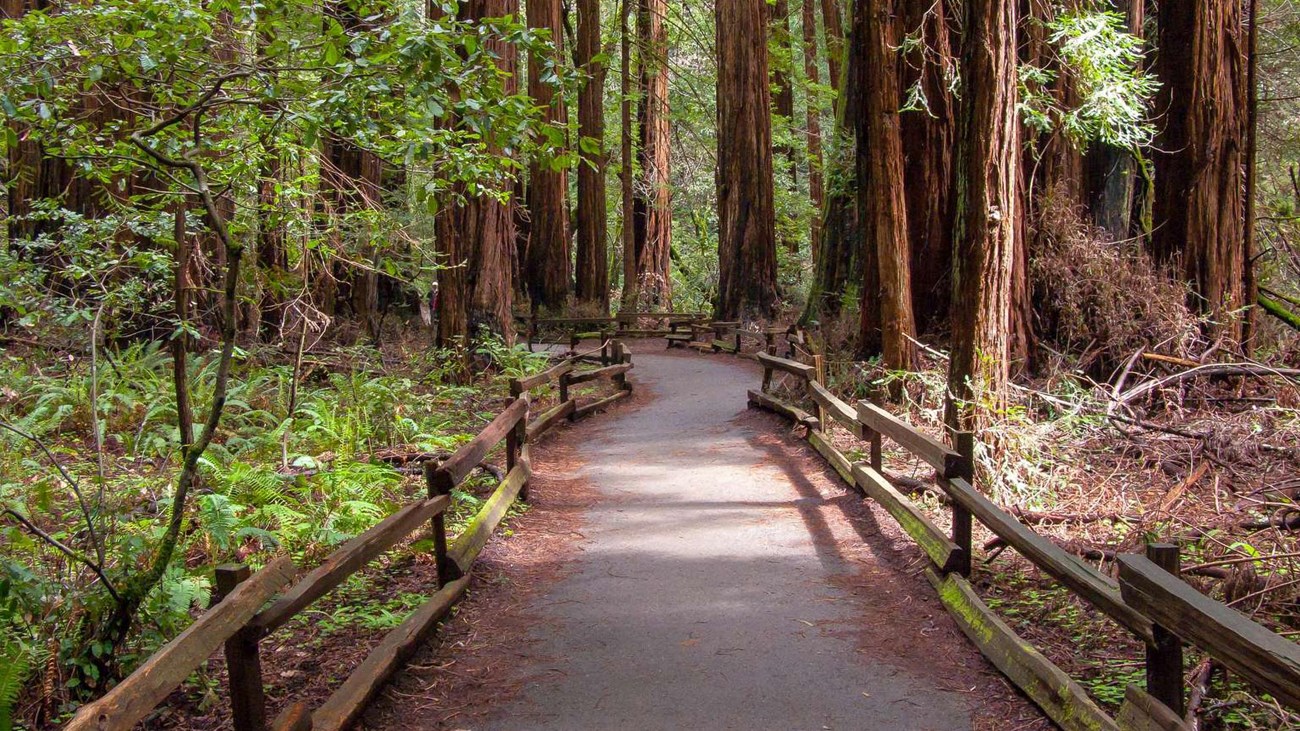
Muir Woods is the rare Bay Area day trip that feels like you time-traveled. One minute you are driving past Marin’s neat little towns, the next you are standing under coastal redwoods that make your phone feel like a toy. The catch is that everyone else has the same idea, especially on weekends and foggy summer afternoons.
This page is for the version of the visit I actually recommend: lock in the reservation details so you are not stuck refreshing your browser in a parking lot, do the best in-grove loop for your time and mobility needs, then head out onto the quieter trails that most visitors miss.

Reservations and entry basics
Muir Woods requires advance planning because access is managed through reserved arrival windows. In practice, that usually means you reserve parking or a shuttle seat for a specific time so the canyon does not get overwhelmed with cars and crowds.
What you need to reserve
- Parking reservation: If you are driving your own car and plan to park at Muir Woods, you must reserve a parking space for a specific arrival window.
- Shuttle reservation: If you are using the public shuttle (when it is running), you reserve your seat(s) for a specific departure time and location.
Important: Parking or shuttle reservations are separate from the entrance fee in most cases. Entrance is typically charged per person, while parking is per vehicle. Policies and payment methods can change (sometimes fees are collected online, sometimes at the gate), so confirm current details on the official Muir Woods National Monument site before you go.
Where to book
Use the official reservation link from the Muir Woods National Monument website. Avoid third-party sellers that make it harder to change or confirm your reservation.
When to book
In peak season and on weekends, the best time slots disappear fast. If you want a calmer boardwalk experience, aim for one of these patterns:
- Early morning: The earliest reservation windows tend to be quieter, cooler, and more photogenic.
- Late afternoon: Day-trippers thin out. Just keep an eye on closing times and give yourself a buffer for the drive out.
- Weekdays: If you can swing it, a random Tuesday feels like a different park.
My rule of thumb: if the main goal is the redwoods, go early. If the main goal is a longer hike on ridges above the canyon, you can arrive later and still win.
Parking and shuttle pitfalls
The canyon road is narrow, the lots are limited, and cell service can be unreliable. Most bad Muir Woods days start with “we thought we could just show up.”
If you are driving
- Arrive within your reserved window: Build in extra time for traffic on Highway 101 and the windy approach roads through Mill Valley.
- Do not count on last-minute spots: If you miss your window, you might be denied entry or asked to wait until there is capacity. It depends on the day, so do not build a plan that requires flexibility.
- Pack for a no-service moment: Screenshot your reservation confirmation and directions before you leave reliable coverage.
If you are taking the shuttle
The shuttle can be the least stressful way to visit, especially on busy weekends. The big tradeoff is flexibility: you are operating on shuttle departure times rather than “whenever we feel like leaving.”
Seasonality note: Shuttle service is typically seasonal and often runs more frequently in peak periods, with limited or weekend and holiday service outside of summer. Routes and pickup locations can change year to year. Check the current schedule before you plan your day around it.
- Choose an early departure: You beat traffic and you get a quieter grove.
- Plan your hike around your return time: If you intend to leave the main grove and climb into the hills, keep an eye on your turnaround time.
- Bring layers: The grove can be cool and damp even when San Francisco is sunny.
The best in-grove walks
You do not have to do a big hike to have a meaningful Muir Woods moment. The boardwalk and main paths deliver the classic redwood experience fast.
Accessible boardwalk loop
The main boardwalk and the lower section of the Main Trail are the most accessible option in the monument and the easiest way to see huge trees without a steep climb. Expect a mostly flat stroll on boardwalk and packed paths with plenty of spots to pause, look up, and let your ears adjust to how quiet a redwood grove can feel.
- Time needed: 30 to 60 minutes for an unhurried loop
- Good for: Families, first-time visitors, travelers with limited time, anyone prioritizing the iconic grove experience
- Crowd tip: Walk farther than the first cluster of photo stops. Even an extra 10 minutes can thin the people out.
Boardwalk plus a quieter stretch
If you want a little more breathing room without committing to a big climb, do the boardwalk and Main Trail near Redwood Creek, then add a short out-and-back farther up the canyon on the Main Trail. The vibe shifts quickly once you put a little distance between yourself and the entrance area.
Leave no trace note: Stay on designated trails and boardwalks. Redwood root systems are shallow and sensitive, and cutting corners does real damage.
Connector hikes
The secret is that Muir Woods is not just a grove. It is a gateway into a bigger network of trails that climb out of the canyon to panoramic ridges and neighboring parks. If you are the kind of traveler who wants redwoods and a view, this is your section.
Know the terrain shift
Inside the monument, walking is gentle. The moment you commit to a connector trail, the character changes:
- Elevation: You will climb, and it can be steady.
- Conditions: Fog, damp steps, and muddy patches are common.
- Trail etiquette: Expect narrow singletrack in places. Let faster hikers pass and keep voices low in the grove.
Iconic trails to start with
Trail names, junctions, and reroutes can change, and some segments are managed by neighboring lands, so confirm current conditions and closures before you commit. That said, these are classic, well-known ways people expand a Muir Woods visit:
- Dipsea Trail: A famous route that climbs out of the canyon toward ridges and coastal viewpoints. It is a great way to earn some space once you leave the boardwalk zone.
- Canopy View Trail: A short but steep connector that gives you a different perspective on the forest, with more height and fewer people once you are off the main corridor.
- Ben Johnson Trail: A solid option for linking the grove to bigger loops that reach ridgelines and Mt. Tamalpais State Park trails.
Quick sample hike shapes
- Grove plus a climb: Boardwalk and Main Trail first, then pick one connector (Dipsea, Canopy View, or Ben Johnson) and turn around when your legs tell you to. This is the simplest way to add solitude.
- Redwoods plus ridgeline loop: Start in the grove, climb to the ridges, then return via a different connector so it feels like a true loop, not an out-and-back. You get the best contrast in one outing: cathedral-like forest below, open sky above.
Half-day pairings
If you are already doing the reservation dance, you might as well make the most of it. These pairings keep the day feeling varied: redwoods first, then a completely different Marin landscape.
Option A: Redwoods + Mt. Tam
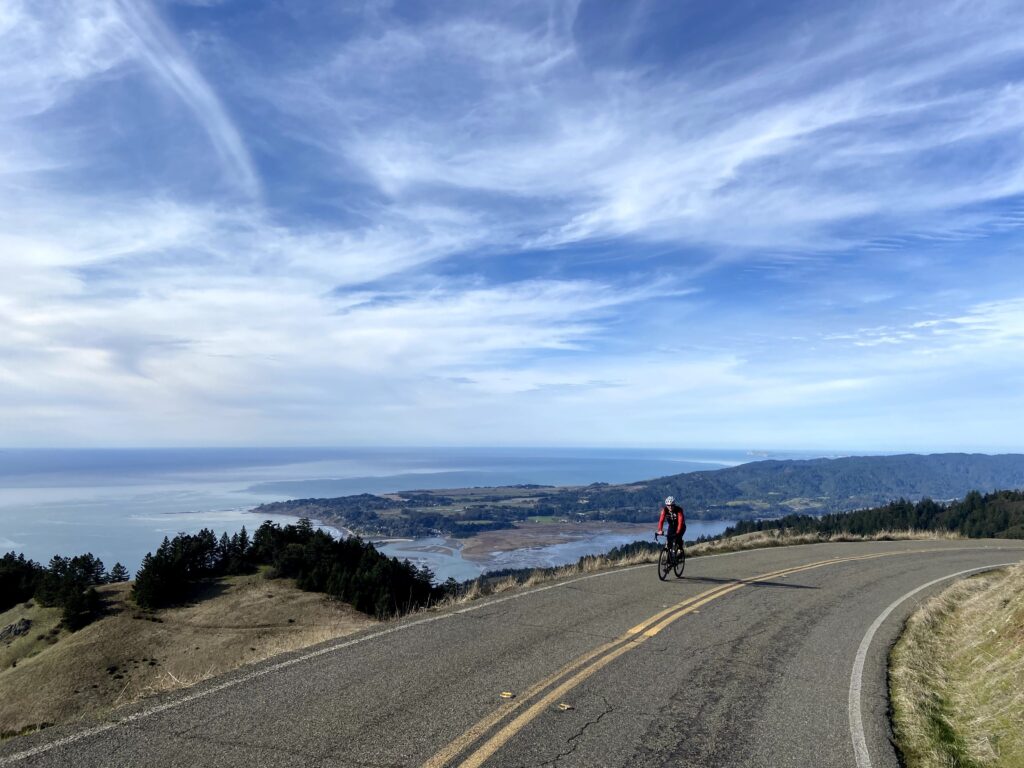
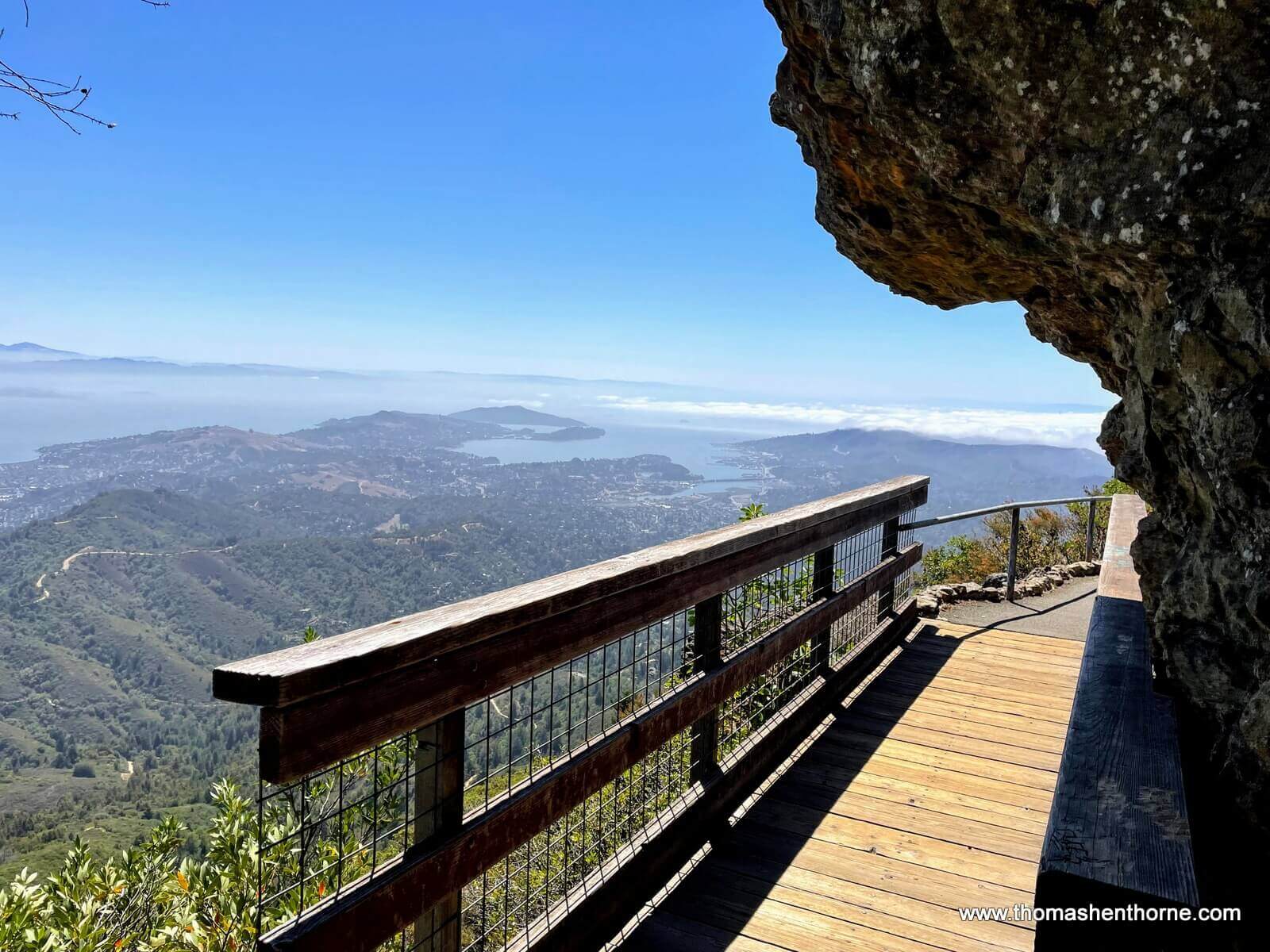
After the grove, head upward. Marin’s ridges are where you trade the hush of the forest for wide-open views, hawks circling overhead, and that dry, herbal smell of coastal scrub.
- Best for: Hikers who want elevation and panoramas
- Timing: Plan this when you have at least a few hours beyond your grove visit
- Pro move: If fog is thick in the canyon, the ridges may still be sunny above the marine layer
Option B: Redwoods + the coast
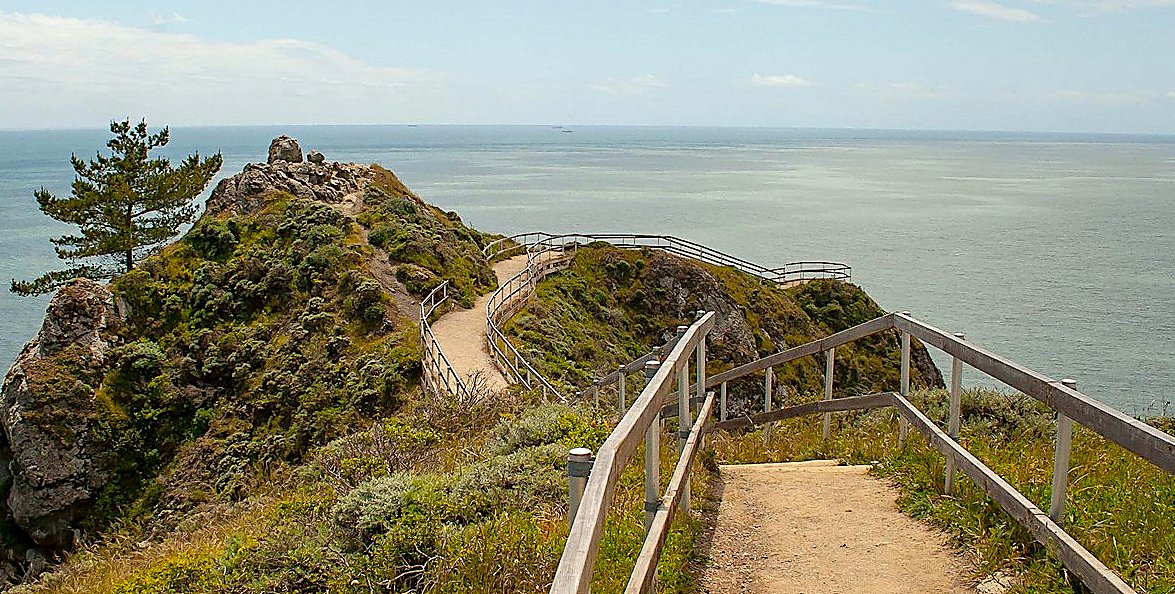
There is something deeply satisfying about pairing old-growth shade with salt air. Drive out to the coast for a beach walk, tidepools (when conditions allow), or a bluff trail where you can watch the light change over the Pacific.
- Best for: Couples, families, photographers, anyone craving a calmer second act
- What to bring: A wind layer and snacks. Coastal weather changes fast.
Facilities and rules
A few practical notes that will save you friction on arrival:
- Restrooms: Available near the main entrance area. Plan accordingly before you head up connector trails.
- Water and food: Bring your own water and snacks, especially if you are hiking beyond the grove. Do not assume you will find what you need on-site.
- Pets: Muir Woods has strict pet rules. In general, pets are not allowed on trails (service animals excepted). Check current policy before you arrive so you do not get turned around.
- Hours: Opening and closing times vary by season. Confirm your day’s hours when you book.
What to pack
Muir Woods looks gentle, but the microclimates are real. I have been cold and damp here in July and sunburned on the ridges an hour later.
- Layers: Light fleece or long sleeve plus a wind shell
- Footwear: Shoes with traction, especially if you plan to leave the boardwalk
- Water and snacks: Enough for your full plan, not just the first loop
- Downloaded maps: Save offline maps before you hit the canyon
- Small towel or bandana: For misty benches and damp hands after creekside railings
- Leave-no-trace kit: Pack out everything, including food scraps
Safety and trail smarts
- Slippery surfaces: Boardwalk sections and steps can be slick in fog and after rain. Slow down.
- Poison oak and ticks: Common in Marin. Stay on trail, do a tick check, and know what poison oak looks like.
- Fog changes plans: Visibility can drop fast. If you are aiming for ridgeline views, have a backup route that still feels worthwhile in gray conditions.
Quieter visit tips
Muir Woods is popular for a reason. The goal is not to gatekeep it, just to experience it respectfully.
- Go early or late: You will hear more birds and fewer phones.
- Step aside for photos: Take your shot, then move out of the flow.
- Keep voices low: The grove amplifies sound more than you think.
- Stay on trail: Redwood roots are fragile and shallow.
- Use the ridges for solitude: If you want space, earn it with a climb.
If you do one thing differently than the average visitor, make it this: spend less time near the entrance, and more time either deeper in the grove or out on the connector trails. That is where Muir Woods stops feeling like a checkpoint and starts feeling like a place.
If you cannot get reservations
If parking and shuttle options are booked out, do not force a bad plan. Consider nearby redwood alternatives in Marin that do not hinge on the same reservation bottleneck, then save Muir Woods for a day you can do it properly.
Quick checklist
- Reserve parking or (seasonal) shuttle in advance for your preferred arrival window
- Confirm shuttle schedule if you are not visiting in peak season
- Screenshot confirmations and directions for low-service areas
- Arrive early if you want a quieter boardwalk
- Decide: grove-only (1 to 2 hours) or grove + connector hike (half day)
- Pack layers and traction-friendly shoes
- Check pet policy, hours, and current trail conditions
- Pair with Mt. Tam ridges or the Marin coast if you want a fuller day