Organ Pipe Cactus: Ajo Mountain Drive and Desert Safety
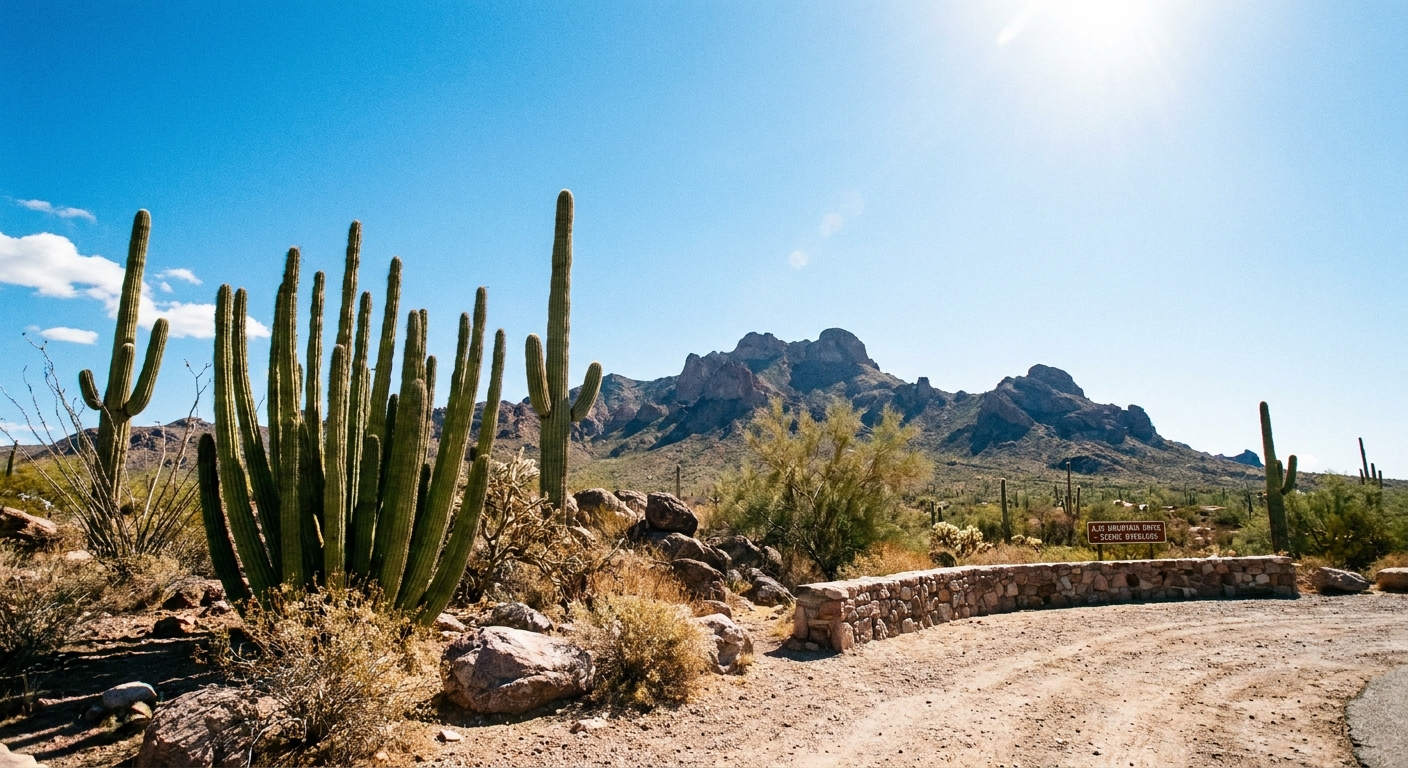
Organ Pipe Cactus National Monument is the Sonoran Desert turned all the way up: forests of organ pipe cactus, spiky silhouettes of ocotillo, and the kind of open sky that makes even a short walk feel like a proper expedition. It is also remote, hot, and close to an international border, which means a little planning goes a long way.
This is my favorite way to do it in one day: a steady, unhurried loop anchored by Ajo Mountain Drive, with pullouts that actually feel worth stopping for, short walks that do not require heroic stamina, and a safety plan that matches the reality of the desert.

Quick orientation
Where you are: Southwestern Arizona near the town of Ajo, with the monument bordering Mexico. The landscape is classic Sonoran, but the star plant here is the organ pipe cactus, which is far less common elsewhere in the U.S.
What you are doing: A mostly slow, scenic drive with frequent pullouts and a handful of short walks. This is not the place to wing it with “we will just see what happens,” especially in warm months.
- Main drive: Ajo Mountain Drive (a 21-mile loop, primarily graded dirt and gravel).
- Typical time: About 2 to 3 hours to drive without long stops. With pullouts and short walks, budget 4 to 6 hours, more if you are photographing everything (you will).
- Start point: Visitor center area (check current road conditions, closures, and weather alerts).
- Best for: Photographers, desert plant nerds, families with older kids, and anyone who wants a big desert day without a big hike.
One-day loop: Ajo Mountain Drive + short walks
Consider this a “choose your own intensity” day. You can do it as a gentle, photo-heavy cruise or add a couple of longer leg-stretchers if the weather is kind.
Stop 1: Visitor center and a reality check
Start at the visitor center area for maps, current guidance, and a quick look at interpretive exhibits. This is also where you should commit to your day’s water plan and heat strategy.
- Do this first: Ask rangers about road surface conditions (they can change fast after storms), current monsoon impacts, and any areas to avoid.
- Grab: A printed map or snapshot of the route since cell coverage can be inconsistent.
- Know the fee: This is an NPS site with an entrance fee. If you have an America the Beautiful pass, bring it. If not, you can typically purchase a pass at the monument entrance or visitor center, but confirm current options and hours before you roll in.
Stop 2: Ajo Mountain Drive, slow and steady
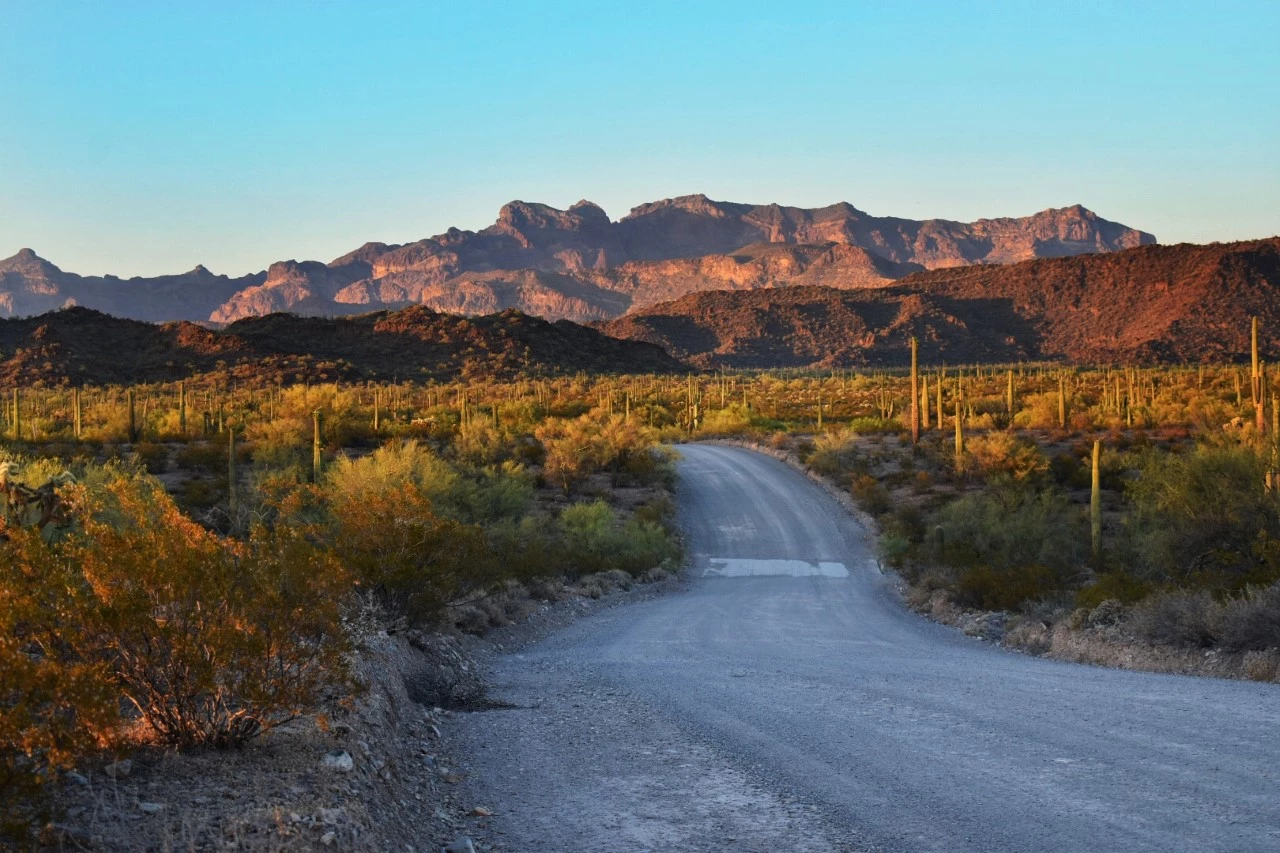
This loop is the heart of the day. It is 21 miles, mostly unpaved dirt and gravel, and it rewards patience. Plan to spend more time than you think. You will stop often, even if you swear you will not.
Road reality (the useful version): In good conditions, this is often doable in a standard passenger car. After storms, it can be rougher, washboarded, muddy, or temporarily closed. If you are in a rental or a low-clearance vehicle, the visitor center check-in is not optional. Pride is not a traction strategy either.
How to drive it: Treat it like a scenic safari. Drive slowly, pull over frequently, and keep your “quick walks” truly quick if temperatures are climbing.
- Pullout rhythm that works: Stop every 10 to 20 minutes for a quick look, a photo, or a two-minute stretch. Small breaks help you notice details without overexerting.
- Short walk plan: Choose one or two brief trails that keep you close to the car if the day is warm. If you want named options, ask the rangers what is in good shape right now and pick from their “today” list.
Stop 3: Scenic pullouts for the desert-scale moments
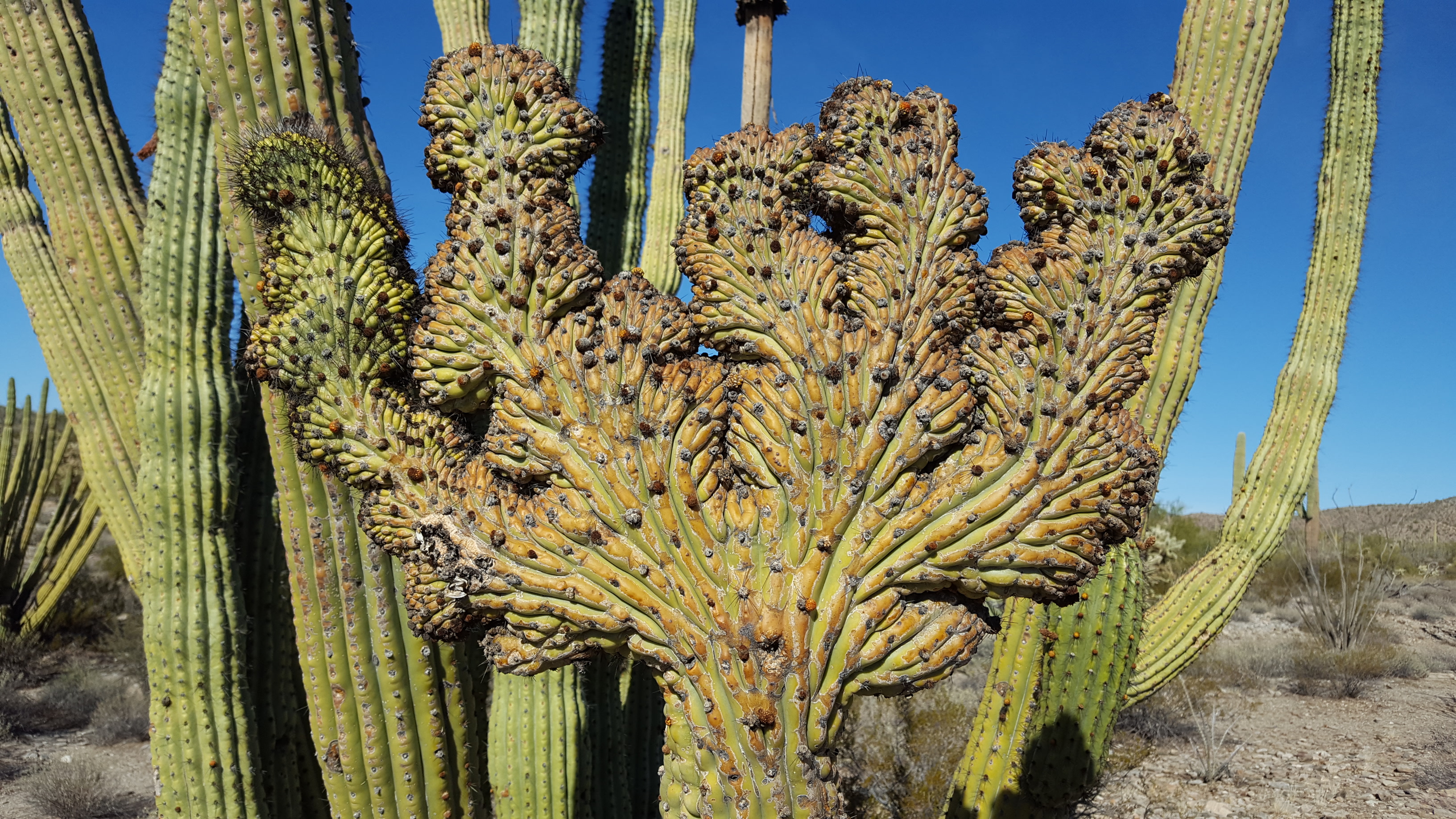
Look for pullouts where you can see layers of desert vegetation stacked against mountain ridges. This is where Organ Pipe feels different from the Tucson area: more remote, more open, quieter.
- Photo tip: Midday light can be harsh. If you are here in late morning or afternoon, look for texture: shadows on cactus ribs, spines lit from the side, and patterns in volcanic rock.
- Wildlife note: If you see animals, give them distance. In extreme heat, they are working hard just to regulate body temperature.
Stop 4: Short walks (pick 1 to 3)
You do not need a long hike to feel the monument. A few smart, short walks will get you into the cactus garden vibe without turning your day into an endurance event. Trail availability and conditions can change, so treat these as suggestions and confirm at the visitor center.
- Visitor center nature trail (easy): A quick, low-commitment leg-stretcher for plant ID, photos, and getting your bearings before the drive.
- Desert View or similar pullout spurs (easy): Look for signed, established paths near viewpoints and picnic areas. These tend to be short and flat, which is exactly what you want when the sun is doing the most.
- Williams Spring (moderate, if conditions are kind): A popular option for people who want one “real hike” without going huge. Ask rangers for current distance, footing notes, and whether it is a good idea that day.
Stop 5: One longer leg-stretcher (optional)
If temperatures are mild and you are feeling good, add one longer walk and keep it sensible. In the Sonoran Desert, “easy” can turn into “problem” fast if you underestimate heat or sun exposure.
- Rule of thumb: If you cannot finish the walk with at least half your water still in reserve, it is too long for the day’s conditions.
- Footing: Expect rocky sections and spines. Closed-toe shoes are not optional out here.
Stop 6: Golden hour or night sky finish
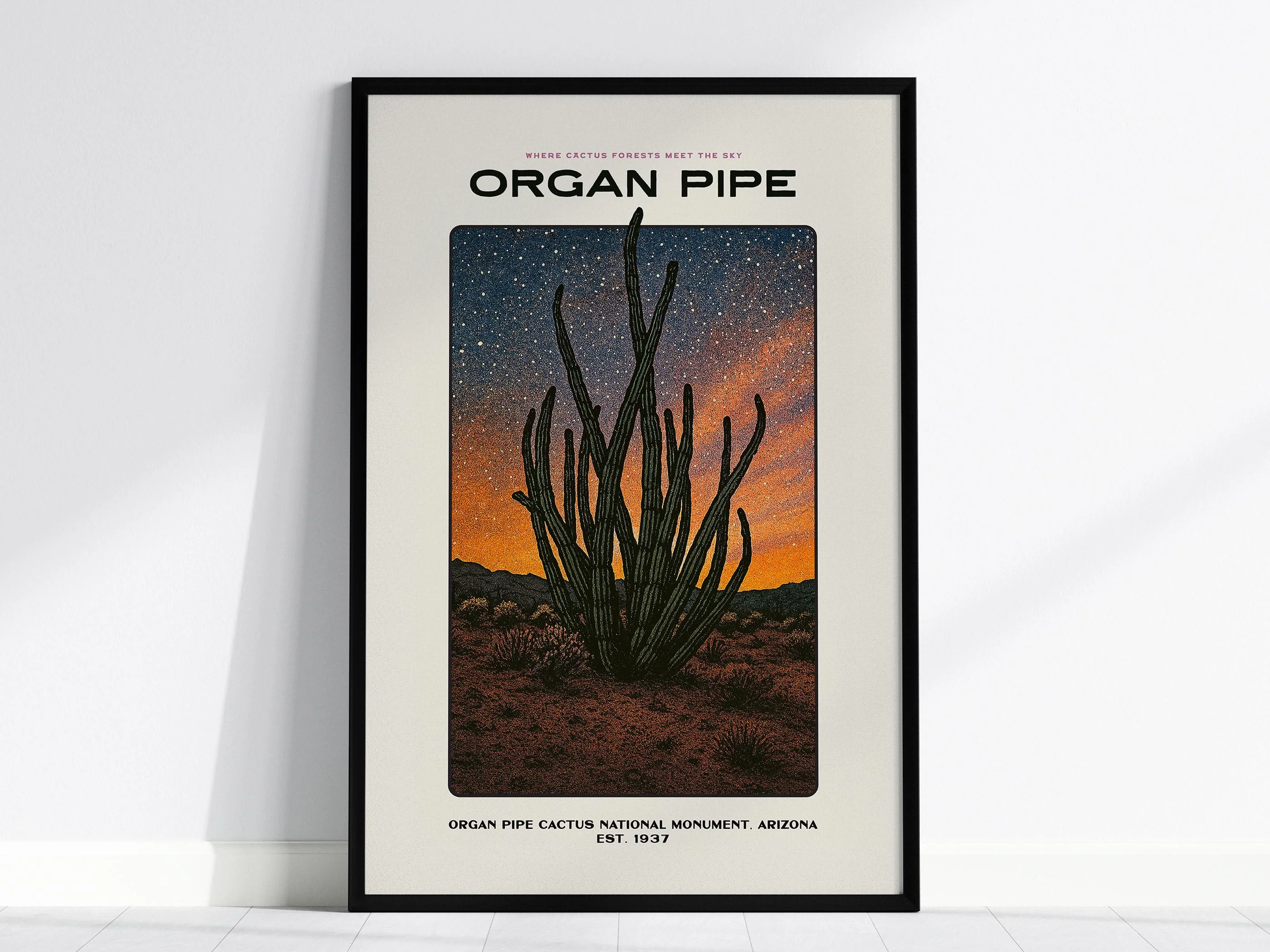
If you can time your loop so you are finishing near sunset, do it. The desert looks softer and more three-dimensional, and the cactus silhouettes are pure drama.
Organ Pipe is also excellent for stargazing on clear nights. If you stay after dark, treat it like a separate activity with its own plan: warm layers, a headlamp, and a clear idea of where you will park and how you will navigate back to your lodging.
Heat, water, and timing
The Sonoran Desert is not just hot, it is relentlessly dehydrating. Your comfort and safety will come down to three things: start early, carry more water than you think, and keep shade and cooling options realistic.
Best seasons and daily timing
- Cool season (roughly late fall through early spring): Prime time for longer walks and all-day exploring.
- Hot season (late spring through early fall): Plan for a morning-heavy itinerary and a midday retreat. In extreme heat, make your walks short and close to your vehicle.
- Monsoon season (generally mid-summer into early fall in southern Arizona): Storms can build quickly. Flash flooding can affect low spots and washes. Do not drive through flooded roads.
Water planning that is actually useful
I like simple rules that hold up when your brain is melting in the heat.
- Carry at least: Enough water for the day plus a safety buffer you do not plan to touch.
- In the car: Keep extra water separate from your “day bottle,” so you do not accidentally drink into your emergency reserve.
- Electrolytes: Bring salty snacks or electrolyte mix. Water alone is not always enough if you are sweating heavily.
Heat illness red flags
Know these before you step out of the air conditioning.
- Heat exhaustion: heavy sweating, dizziness, headache, nausea, weakness. Get to shade or AC, sip fluids, cool your skin.
- Heat stroke (emergency): confusion, fainting, severe disorientation, very hot skin, rapid pulse. Sweating may be present or may decrease. Call for help and cool the person aggressively.
Desert rule: if you are already feeling “a little off,” do not push to the next stop. Turn around, cool down, and reset. Pride is not a hydration strategy.
Border-zone awareness
Organ Pipe is beautiful and remote, and it is also a border landscape. For most visitors, the experience is calm and straightforward. The key is to travel with awareness, not fear.
What to expect
- Law enforcement presence: You may see Border Patrol vehicles on roads in and around the monument.
- Limited services: This is a big part of safety planning. Help can be far away, and cell service can be unreliable.
Smart, low-drama precautions
- Stay on established roads and trails: Do not take “interesting” side tracks or shortcuts. This is as much about protecting fragile desert ground as it is about keeping your day simple.
- If you see abandoned items: Treat it like standard remote-area practice. Do not handle it. Note the location if you can, and report it to a ranger when you have service or return to the visitor center.
- Choose pullouts with confidence: If a spot feels crowded, exposed, or just not great, keep it moving to the next one. No drama required.
- Tell someone your plan: Share your route and expected return time, especially if traveling solo.
Think of it like any other remote travel: you are managing distance and uncertainty. The goal is to keep your day predictable, within your comfort zone, and easy to adjust.
Driving and vehicle prep
Ajo Mountain Drive is a scenic loop, and conditions can vary with weather and maintenance. It is also mostly dirt and gravel, which matters if you are in a rental, towing, or simply do not enjoy surprises. Before you go, confirm current requirements with the visitor center or the official park updates.
- Distance and time: 21 miles. Plan 2 to 3 hours of wheel time without long stops. Add plenty of buffer for pullouts, photos, and short walks.
- Fuel: Fill up before entering the monument. Do not assume you can top off later.
- Tires: Check pressure and tread. Carry a real spare and know how to use it.
- Road surface: Graded dirt and gravel is common, with washboard and loose sections possible. Slow down. Your suspension will thank you.
- Heat inside the car: If you stop for photos, crack windows safely or keep stops brief. Cars heat up shockingly fast.
- Navigation: Download offline maps. A paper map is still the most reliable backup.
- Closures happen: Storm damage, maintenance, and flooding can temporarily change what is drivable. Get the most current info before committing to the loop.
What to pack
I am a carry-on-only person in cities, but deserts make me a little more cautious. Here is the day kit that keeps the trip fun.
- Water: Bring more than you think you will drink, plus an emergency reserve.
- Sun protection: Wide-brim hat, sunglasses, sunscreen, lightweight long sleeves if you have them.
- Electrolytes and snacks: Salty foods are your friend.
- Footwear: Closed-toe shoes. Cactus spines love sandals.
- Headlamp: Even if you are not planning to stay late, delays happen.
- Basic first aid: Include tweezers for spines and blister care.
- Trash bag: Pack out everything. The desert keeps receipts for a long time.
Leave no trace, desert edition
- Stay on trail: Desert soils can be fragile and slow to recover. Walking cross-country can leave damage that outlasts your whole trip.
- Do not pick or stack: Leave plants, rocks, and “found” natural souvenirs where they are.
- Pack it out: Including food scraps. The desert does not compost on your schedule.
Wildflowers and night skies
Wildflower timing
Desert blooms depend on rainfall and temperature patterns, so every year is different. In general, your best odds are after a wetter winter and early spring warming. If you are planning specifically for wildflowers, check recent trip reports and park updates close to your travel date.
Night-sky timing
For stargazing, aim for a new moon window and a clear forecast. Bring layers even if the day was warm. Desert nights can cool off fast, and comfort is what keeps you outside long enough to see the good stuff.
Make it a full day
This is where my Trail and Town heart gets happy, meaning I love pairing a wild place with a simple, satisfying town stop. Do the cactus, then do the cold drink.
- Morning plan: Start early, check in at the visitor center, then do Ajo Mountain Drive with frequent pullouts and one or two short walks.
- Midday reset: Head toward Ajo for shade, a cold drink, and a slow lunch.
- Evening option: Return for sunset or stargazing if conditions are safe and you have the energy.
If you do one thing differently than most people, do this: plan your retreat as carefully as your adventure. In the Sonoran Desert, knowing when to stop is what makes you want to come back.
Quick notes for kids, pets, and access
- Kids: This loop works well for families when you keep walks short, keep snacks handy, and treat the car like your mobile shade structure.
- Pets: Pet rules vary across NPS sites and can be strict on trails for wildlife and heat reasons. Check current monument guidance before you assume your dog can join the walks.
- Accessibility: Start at the visitor center for the most accessible facilities and the easiest, lowest-effort ways to get a good desert view.