Point Reyes Day Hikes, Elk, and Lighthouse Tips
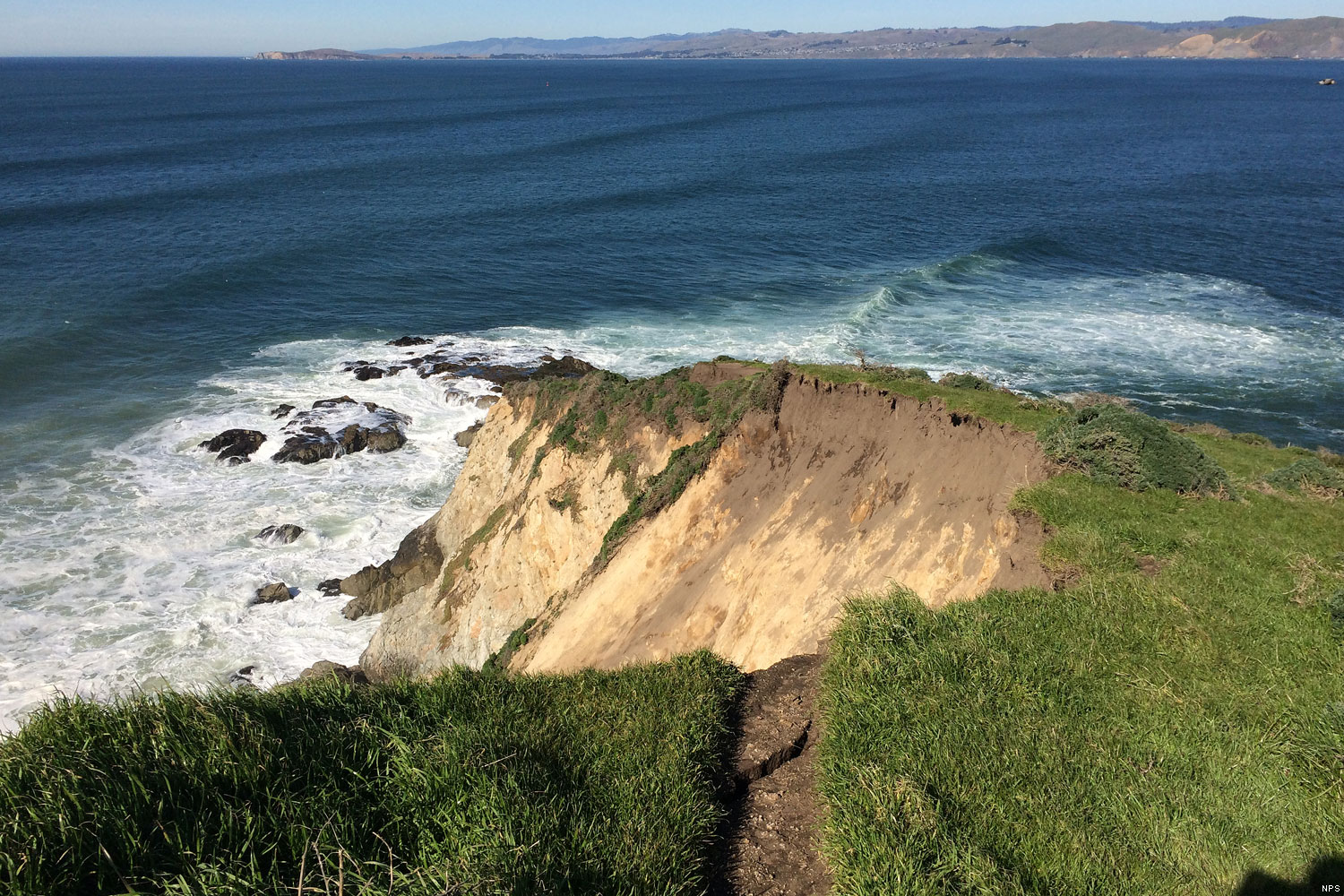
Point Reyes National Seashore is one of those rare places where you can spend the morning on a cliffside trail with salt spray on your lips, then end the day eating something warm in a cozy town like Point Reyes Station. It’s rugged, moody, and wildly photogenic, but it also rewards a little logistics. The best views often come with wind, stairs, fog, and the occasional traffic jam caused by a very large elk deciding the road is his now.
This guide gives you half-day and full-day hike ideas from the most useful trailheads, how to behave around tule elk herds, and what to expect at Point Reyes Lighthouse, including the stair situation, seasonal shuttle logistics (when they happen and where to confirm), and why you should bring a layer even if San Francisco is sunny.

Before you pick a trail
Know the microclimates
Point Reyes can feel like three different parks in one day. Inland trailheads can be mild and golden, while the headlands can be cold, windy, and socked in with fog. Plan as if the coast will be 10 to 20 degrees cooler than inland areas, and assume the wind will add an extra bite.
Parking and timing basics
- Arrive early on weekends. Popular areas like Bear Valley (visitor center), Drakes Beach, and Chimney Rock fill up quickly.
- Expect seasonal access changes. In peak winter season, access to the lighthouse and Chimney Rock can switch to a shuttle on select weekends (often January through April), but details vary by year and can also change due to weather, staffing, or road work. Before you go, check the official NPS Point Reyes conditions page and the lighthouse shuttle page for the current plan.
- Cell service is spotty. Download maps ahead of time and screenshot your route notes.
- Roads are narrow and slow. Build in more drive time than you think, especially if you are hopping between the lighthouse and inland trails.
What to pack for a day here
- Windproof layer and a warm midlayer, even in summer
- Good traction shoes because coastal trails can be sandy, muddy, or slick
- Water and snacks, because there are few services once you leave towns
- Binoculars for elk, whales in season, elephant seals in winter, and seabirds
- Sun protection because fog can burn off fast
Bathrooms and water basics
- Most reliable facilities: Bear Valley Visitor Center area typically has restrooms and is your best bet to reset before heading to more remote trailheads.
- Remote trailheads vary: Places like Pierce Point Ranch and some coastal parking areas may have limited facilities and no potable water. Plan to be self-sufficient.
Half-day hikes that feel like a full reset
1) Tomales Point Trail (elk and wide-open headlands)
If you want the best chance of seeing tule elk up close without doing anything sketchy, Tomales Point is the classic. The trail follows the narrow spine of the Tomales Point peninsula through open grassland and coastal scrub. It’s exposed, breezy, and stunning in that big-sky, end-of-the-continent way.
- Trailhead: Pierce Point Ranch (end of Pierce Point Road)
- Time: Half-day to most of a day depending on how far you go
- Why go: Reliable elk viewing, ocean views on both sides, spring wildflowers
- Good to know: There is very little shade and the wind can be relentless
My approach: If you are short on time, hike out until you get a satisfying headland view and a respectful elk encounter, then turn around. You do not have to reach the far end to have a great day.
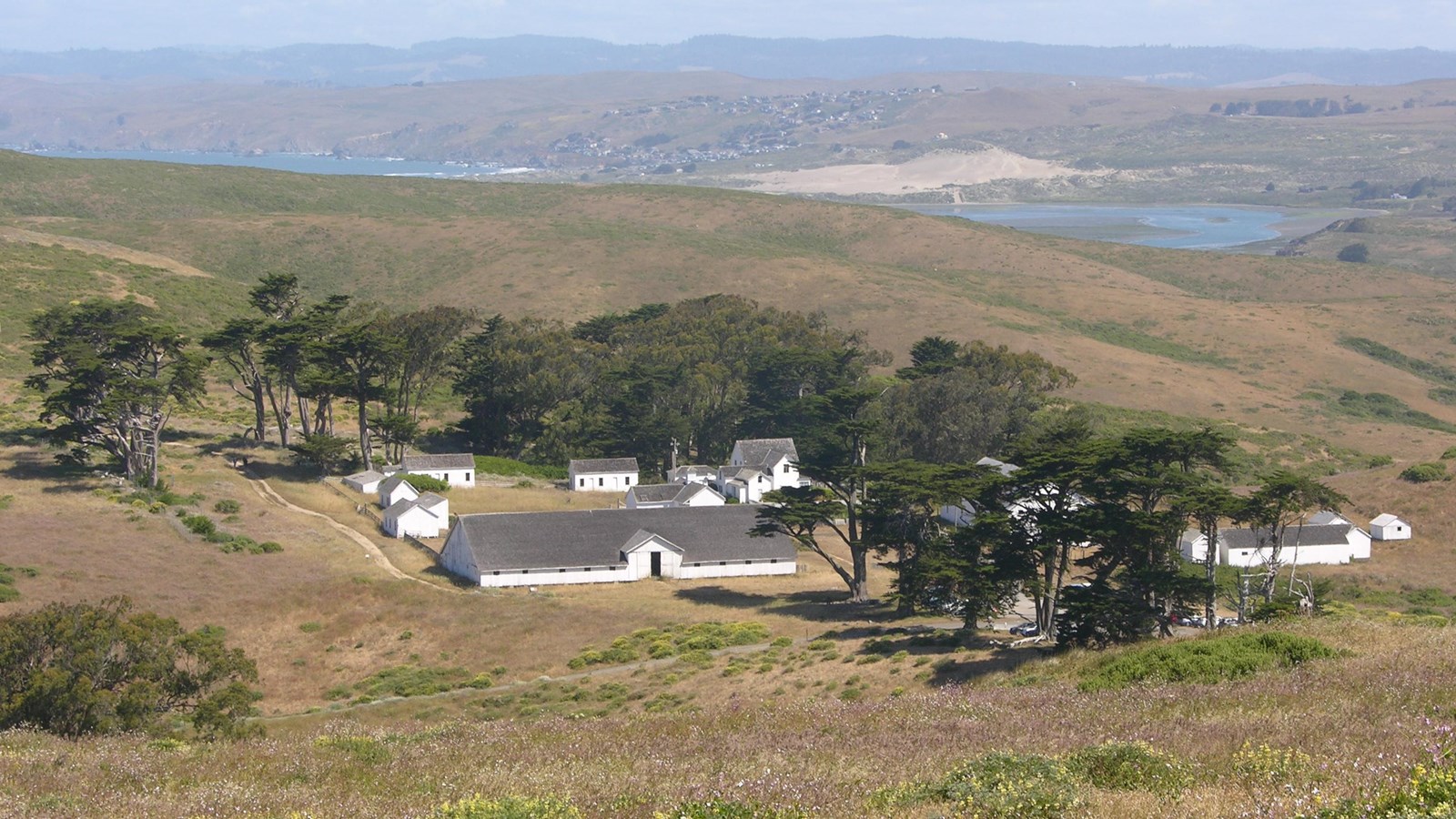
2) Chimney Rock (short, dramatic, and great in bloom season)
Chimney Rock is an ideal half-day option when you want big coastal drama without a huge mileage commitment. The trail moves through low vegetation and opens up to bluffs and viewpoints that feel especially alive during spring wildflowers.
- Trailhead: Chimney Rock parking area (near the end of Chimney Rock Road)
- Time: Half-day, plus time for stops
- Why go: Clifftop views, seasonal wildflowers, seabirds, and winter wildlife watching
- Good to know: Fog and wind are common, and the edges are steep
Do not skip this in winter: The Northern Elephant Seal colony is one of the park’s biggest wildlife draws. For the classic experience, head to the Chimney Rock elephant seal overlook and use the designated viewing areas. Bring binoculars, follow posted closures, and give them space so seals can rest and pups can stay safe.
Fog tip: If the views are erased by a white wall, lean into the atmosphere. The moody coastal soundscape is half the experience. Just stay well back from cliffs and use extra caution on wet ground.
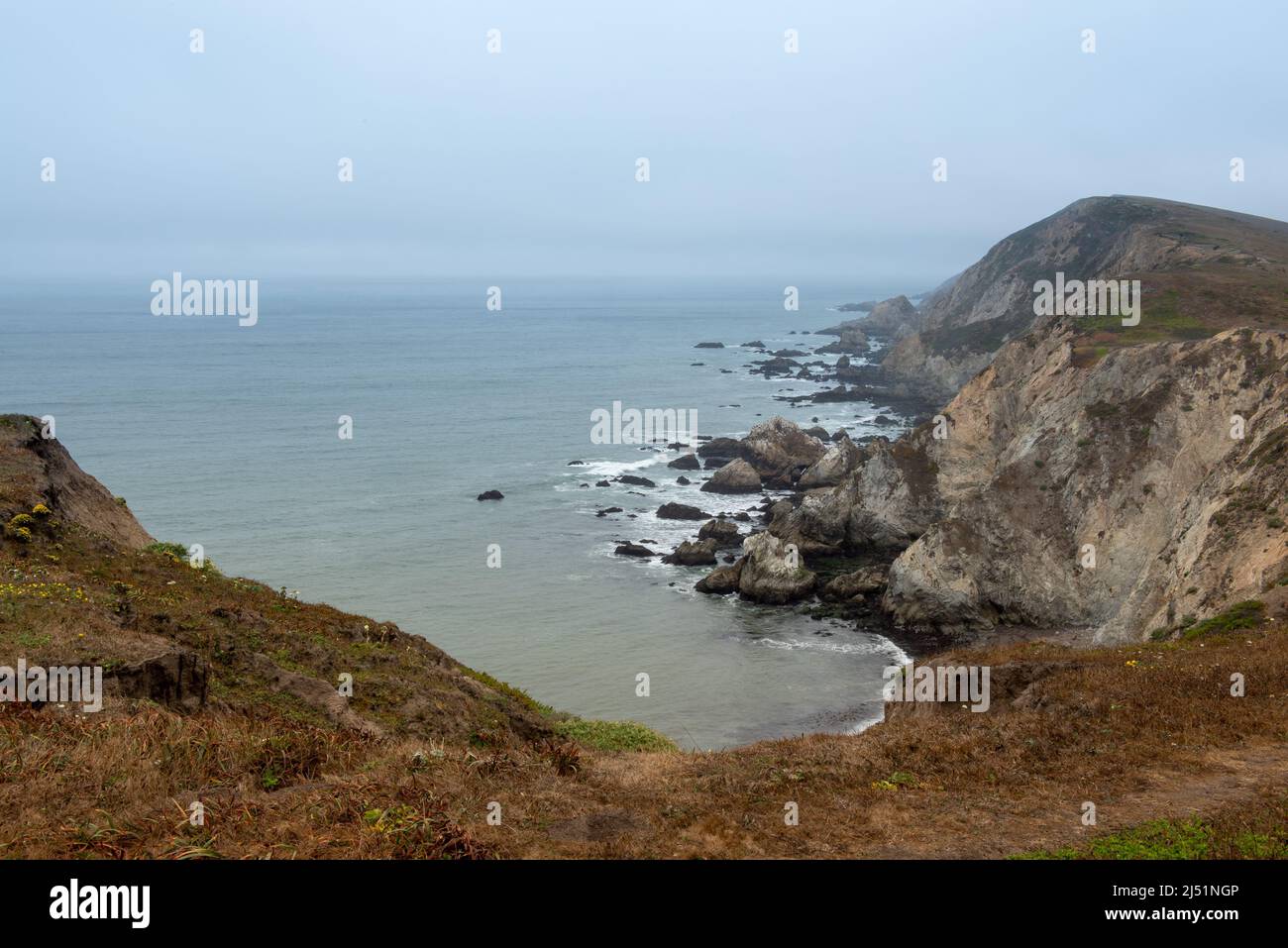
3) Earthquake Trail (easy legs, fascinating geology)
Want something mellow that still feels uniquely Point Reyes? Earthquake Trail is short and accessible, and it highlights the San Andreas Fault in a way that is genuinely interesting even if you have not thought about geology since school.
- Trailhead: Near Bear Valley Visitor Center
- Time: 30 to 60 minutes
- Why go: Quick, educational, family-friendly
- Pairs well with: A longer afternoon hike or a lighthouse visit
Full-day routes with the best of coast and forest
Option A: Bear Valley to Divide Meadow and back (forest and quiet)
When the headlands are getting blasted by wind, Bear Valley can feel like your calmer, greener backup plan. The trails here weave through shaded forest and open meadows. Expect a classic coastal forest mix like Douglas-fir, oak, and bay laurel, plus seasonal creeks and ferns. It’s a good choice if you want steadier conditions, softer footing, and that satisfying feeling of being far from the road without technical terrain.
- Trailhead: Bear Valley Visitor Center area
- Time: Full day at a relaxed pace
- Why go: Coastal forest, birdlife, spring greenery
- Good to know: After rain, expect mud in places
Town comfort add-on: Save your post-hike reward for Point Reyes Station. This is prime territory for a good coffee, a bakery stop, and a sit-down meal that feels earned.
Option B: Coastal views plus Drakes Beach (windy but iconic)
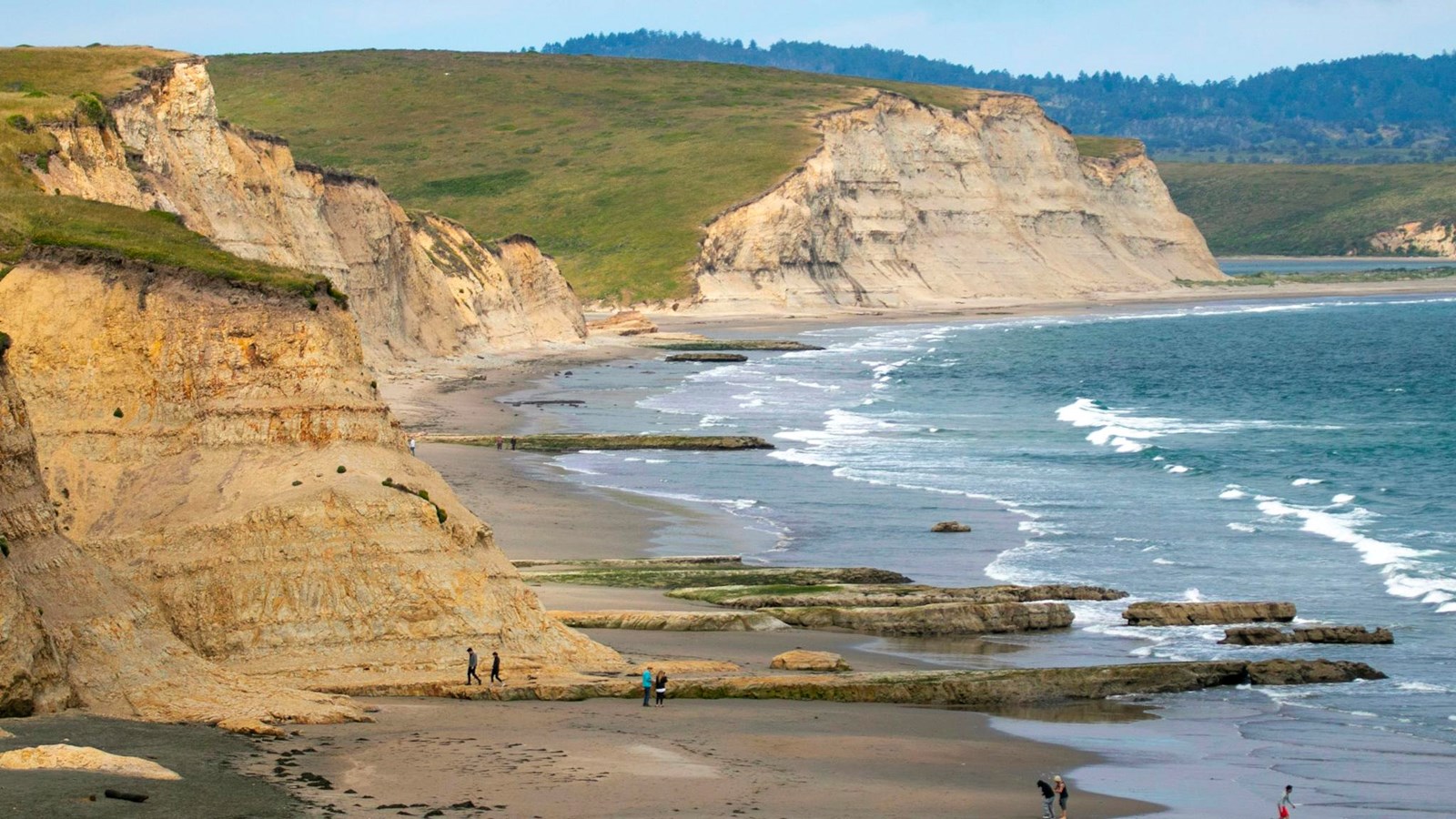
Drakes Beach and the surrounding bluffs offer classic Point Reyes scenery: wide sand, dramatic erosion-sculpted cliffs, and the feeling that the Pacific is doing whatever it wants. It’s less about a single epic trail and more about building a flexible day around coastal walking and viewpoints.
- Trailhead: Drakes Beach area
- Time: Full day if you combine short hikes and beach time
- Why go: Big-sky beach scenes, photography, easy roaming, seasonal elephant seals a short drive away
- Good to know: Check conditions and respect any wildlife closures
Wildlife note: In winter and early spring, the elephant seal action is typically not on the main stretch of Drakes Beach. For the established viewing area, drive a bit farther to the Elephant Seal Overlook (near the south end of Drakes Beach) and stick to marked viewpoints and closures.
Tule elk etiquette: how to get an amazing encounter without stressing them out
Point Reyes is home to tule elk, and seeing them is a highlight. It is also where visitors sometimes make choices that turn a magical moment into a problem. Elk are large, fast, and unpredictable. Even when they look calm, they deserve space.
Give them room, always
- Do not approach. Use binoculars or a zoom lens instead of your feet.
- Do not stand between elk. Especially between a cow and calf, or near a bull.
- Back away if they react to you. If an elk looks up sharply, changes direction, stomps, or seems tense, you are too close.
Stay alert during rut season
In fall, bulls can be more aggressive during rut. You may hear bugling and see posturing. This is not the time to inch closer for a photo. It is the time to give them extra space and keep moving calmly.
Roadside elk are not a photo op
If elk are near the road, stay in your car when possible and do not create a crowd. Pullouts can get chaotic fast, and elk do not need an audience pressing in from all sides.
If your best photo requires the animal to change its behavior, it is not a good photo. The win at Point Reyes is leaving with memories and leaving the elk undisturbed.
Point Reyes Lighthouse logistics: stairs, wind, and timing
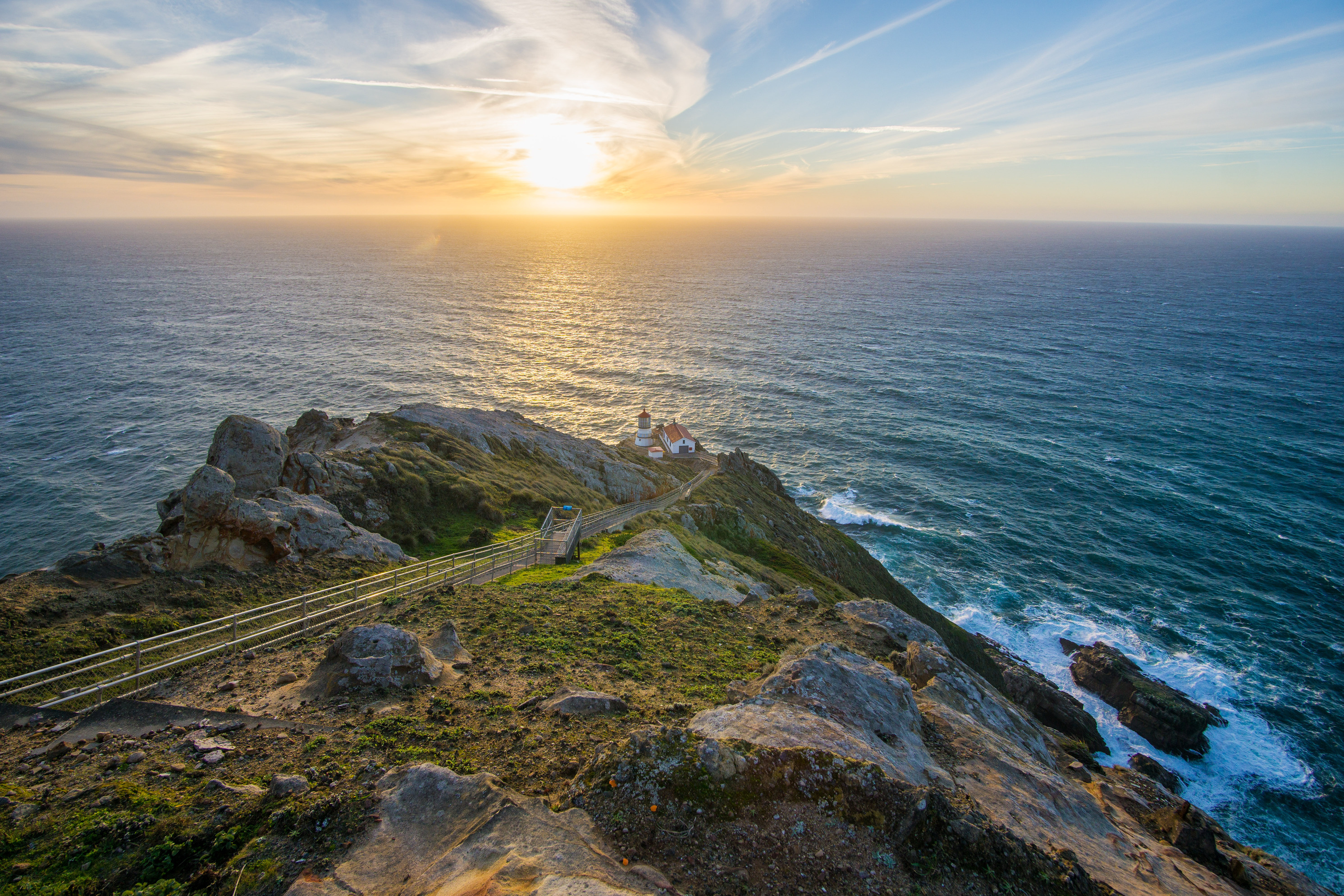
The Point Reyes Lighthouse is a classic, but it is not a quick hop out of the car. The experience is part scenic drive, part cliffside reality check, and part stair workout.
Some winter weekends use a shuttle
On select winter weekends (often January through April), the road to the lighthouse and Chimney Rock may be closed to private vehicles and replaced with a shuttle. The exact weekends can vary, and closures can also happen for weather, road work, or staffing. Before you go, confirm the plan on the official NPS conditions page and lighthouse shuttle page.
The stairs are the main event
To reach the lighthouse, you will descend a long staircase and then climb it back up. Plan for it to feel harder on the way up, especially if it is windy or cold. Many guides cite 308 steps, but treat that number as approximate and focus on the real takeaway: it is a legit stair workout. If you have knee issues or are traveling with anyone who struggles on stairs, consider enjoying the views from the upper overlook areas instead.
Wind exposure is real
- Bring a windproof layer. A puffy without a shell can feel useless here.
- Secure hats and loose items. The wind loves souvenirs.
- Hold onto phones and cameras. Gusts can be strong and sudden.
Fog and visibility
Fog is common and can be thick. Sometimes you will arrive and see nothing but white. If your schedule allows, treat the lighthouse as a flexible stop: check the coastal forecast, and consider swapping in an inland hike if the headlands are completely socked in. On the other hand, fog can create a moody, cinematic experience and some of the best photos if you are comfortable with low visibility.
Whale watching basics
If you packed binoculars for whales, here is when and where it tends to pay off. Gray whale season is typically winter into early spring. The lighthouse area and nearby headlands are classic vantage points when visibility is decent. Keep expectations realistic, scan slowly, and dress like you will be standing in wind for a while, because you probably will.
Tides and coastal segments: when timing matters
Some Point Reyes coastal walking is straightforward, but any time you are tempted to explore near the waterline, treat tides with respect. High tide plus sneaker waves can turn a casual beach wander into a retreat mission.
Practical tide habits
- Check tide tables the night before. Aim for beach exploring around low tide when possible.
- Watch the ocean for a few minutes. Sets can surge higher than the waves you first notice.
- Do not turn your back on the water. Especially near rocky edges.
Fog safety on coastal trails
- Stick to the trail. In low visibility, cliffside navigation gets risky fast.
- Use offline maps. It is easy to miss junctions when everything looks the same.
- Build extra time. You will move slower and stop more often.
Seasonal closures and trail conditions
Point Reyes regularly uses temporary closures to protect wildlife (like nesting birds and marine mammals) and to manage trail damage in wet months. If you see a closure sign, treat it as non-negotiable. Mud is also a real winter personality trait here, especially on softer inland trails.
Sample itineraries: choose your own Point Reyes day
Itinerary 1: Elk and headlands
- Morning: Tomales Point Trail from Pierce Point Ranch
- Midday: Picnic lunch with ocean views (pack in, pack out)
- Afternoon: Short stop at a beach or viewpoint depending on weather
- Evening: Dinner in Point Reyes Station
Itinerary 2: Lighthouse plus coastal views
- Morning: Point Reyes Lighthouse early, before crowds and before the wind peaks
- Late morning: Chimney Rock for a clifftop stroll and, in winter, elephant seal viewing from the designated overlook
- Afternoon: Drakes Beach for a long walk and sunset light if conditions cooperate
Itinerary 3: Foggy coast backup plan
- Morning: Bear Valley trails for forest and meadow hiking
- Midday: Visitor center stop and a packed lunch
- Afternoon: Quick coastal drive and one viewpoint if fog lifts
- Evening: Warm food and coffee in town, because you earned it
Sustainable, low-impact Point Reyes habits
- Stay on trail. Coastal vegetation is fragile and erosion is real.
- Pack out everything. Including orange peels and compostables.
- Give wildlife space. Elk, seals, and nesting birds all need room.
- Keep it quiet near animals. A calm scene is safer for everyone.
Point Reyes shines when you let it be itself: windy, wild, occasionally fog-bound, and absolutely worth the effort. Pick one anchor hike, stay flexible with the lighthouse and coastal views (and the sometimes-shuttle reality), and you will get that perfect blend of rugged trail time and town-level comfort that makes a day here feel like a tiny vacation.