Saguaro National Park for First-Timers
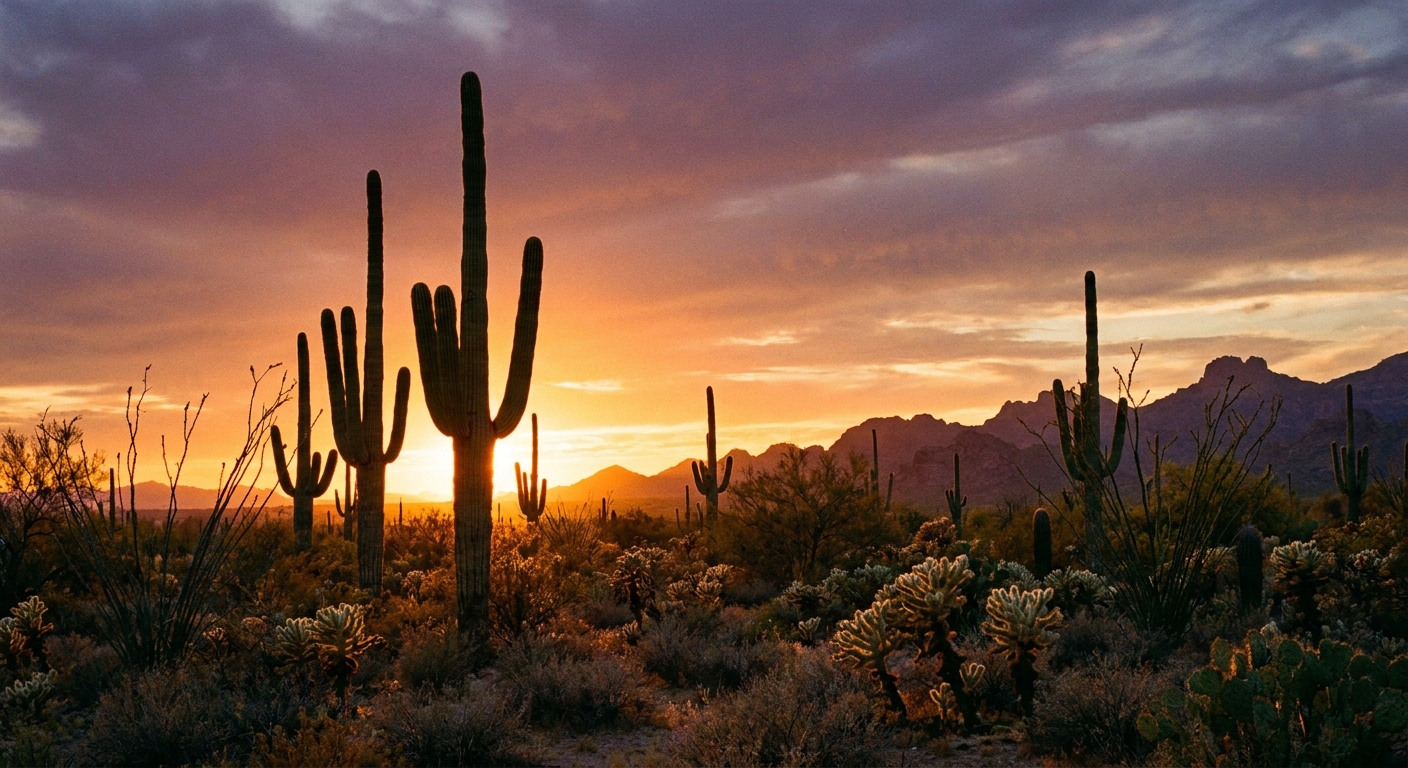
Saguaro National Park is Tucson’s signature wilderness: cactus forests, rugged ridgelines, and sunsets that look like they were turned up a notch. It is also a park split into two separate districts with city roads in between, which is why first-timers often waste time zigzagging or arriving unprepared for the heat.
This page is your planning-first reset: which entrance makes sense when you only have a day, what to do at the visitor centers, how to stay safe in desert heat, and a simple, low-mile plan with specific trails so you actually feel like you met the Sonoran Desert (and not just the park road).

Quick orientation: East vs West
Saguaro National Park has two districts:
- Tucson Mountain District (West): Closer to downtown Tucson and the airport, with a compact scenic loop and a classic first-visit wow factor. Great when time is tight.
- Rincon Mountain District (East): A bit more spread out with excellent walking trails and a different feel to the cactus forest. Fantastic if you want more trail time and slightly less “drive-loop” energy.
Rule of thumb for your first visit: If you only have half a day to one day, pick one district and do it well. Trying to do both in a single day is possible, but it often becomes mostly driving through Tucson with less time for the park itself.
East vs West at a glance
- West (Tucson Mountain): Best for a short visit, big scenery fast, easy to stack pullouts + one short trail.
- East (Rincon Mountain): Best for a walk-forward day, more “choose your own trail” feel.
- Between districts: Red Hills Visitor Center (West) to Rincon Mountain Visitor Center (East) is about 35 to 40 miles and often 45 to 60+ minutes depending on traffic and where you start in Tucson.
Which entrance fits a short visit?
If you want the easiest “I only have a few hours” visit
Go West (Tucson Mountain District). The scenery hits fast, the scenic drive is straightforward, and you can stack viewpoints and a short walk without committing to big mileage.
If you want a calmer, more walk-forward day
Go East (Rincon Mountain District). You can stitch together a couple of short trails and still have time for visitor center stops, without feeling like your day is built around a loop road.
If you are staying in Tucson
Choose the district that matches your lodging to reduce drive time. The two sides are separated by a solid cross-town drive, and the visitor centers are roughly 35 to 40 miles apart.
GPS-friendly starting points: search for Red Hills Visitor Center (West) or Rincon Mountain Visitor Center (East) and build your day from there.
Fees and passes
Saguaro charges a standard National Park Service entrance fee. Most visitors pay per private vehicle (valid for 7 days) or enter on a per person basis if arriving by bike or on foot.
- Typical fees (verify before you go): As of 2025, the NPS listed fees are commonly $25 per vehicle, $15 per person (walk-in or bicycle), and $20 per motorcycle, valid for 7 days. Fees can change, so confirm on the official NPS site.
- If you plan to visit more than one national park or federal fee site this year, an America the Beautiful annual pass can pay for itself quickly.
- Keep your receipt or pass accessible. You may be asked to show it at the entrance station or when staffing is limited.
One clarity note: timed-entry reservations are not typically required for standard day use at Saguaro. You may still need permits for certain special activities. If you have any confirmations or permit paperwork, screenshot them anyway. Cell service is generally decent around Tucson, but it is not something I like to gamble a sunset on.
Visitor centers
For first-timers, visitor centers are not just for maps. In the Sonoran Desert, they are where you get the most important intel of the day: heat advisories, trail conditions, and seasonal reminders about things like rattlesnakes (think “recent sightings and smart habits,” not a formal report).
West district
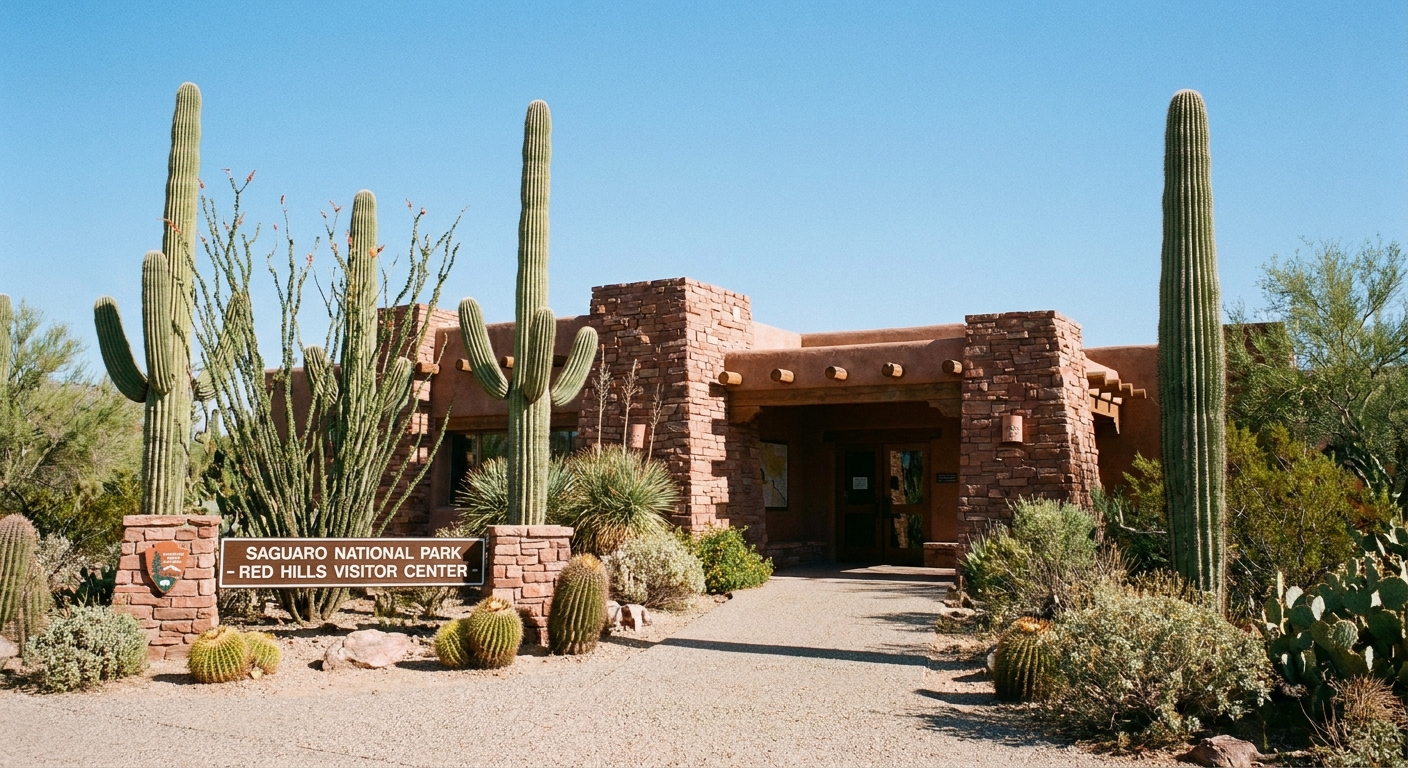
- Red Hills Visitor Center: A great first stop for exhibits, water refill planning, and a quick gut-check on conditions. If you do one building stop on the west side, make it this one.
East district
- Rincon Mountain Visitor Center: Ideal for picking a low-mile hike based on the day’s temperature and your group’s comfort level.
Ask the ranger one question that changes everything: “What is the safest, most rewarding short plan for today’s heat?” They will often steer you toward the best balance of exposure, scenery, and timing.
Scenic drives
If this is your first desert national park, a scenic drive is not “cheating”. It is a smart way to cover a lot of habitat while saving your legs for a short, memorable walk.
West: Bajada Loop Drive
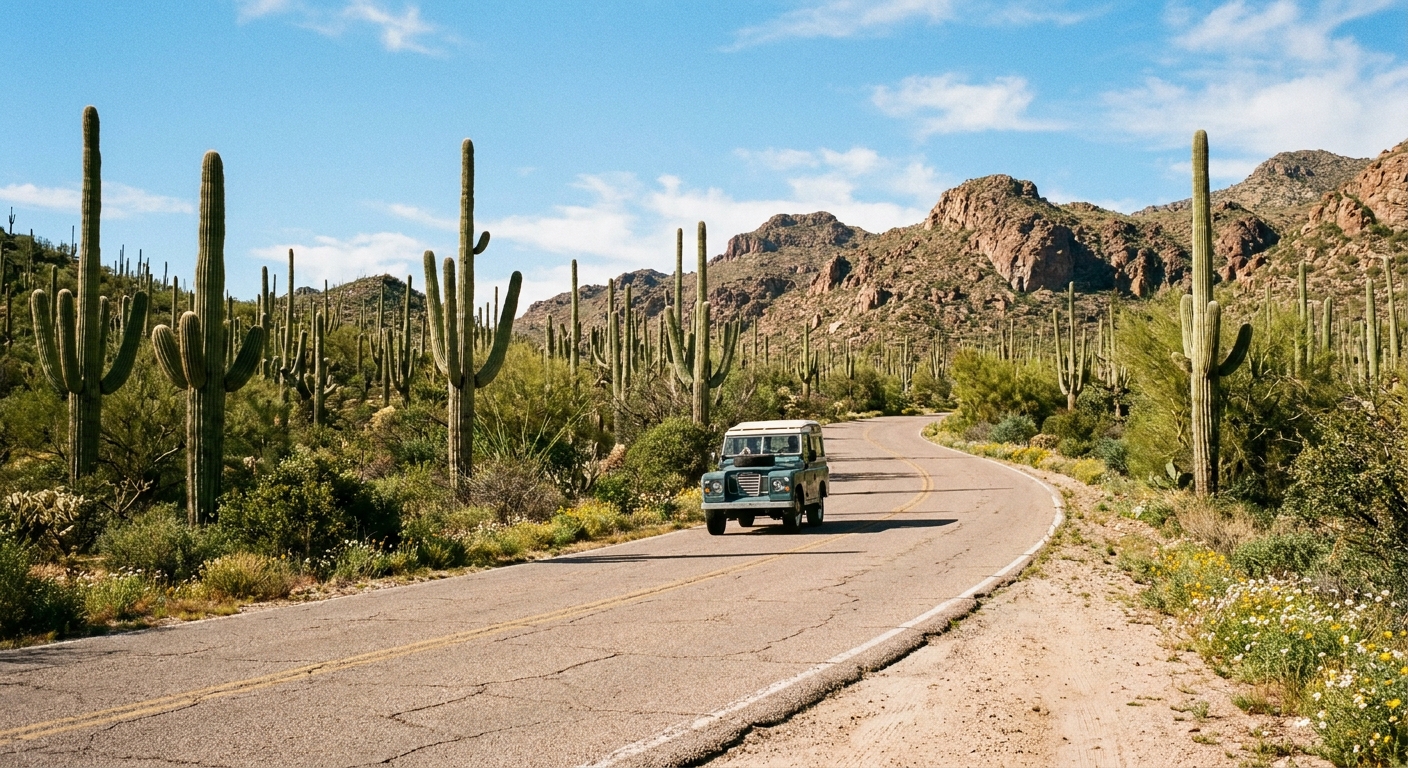
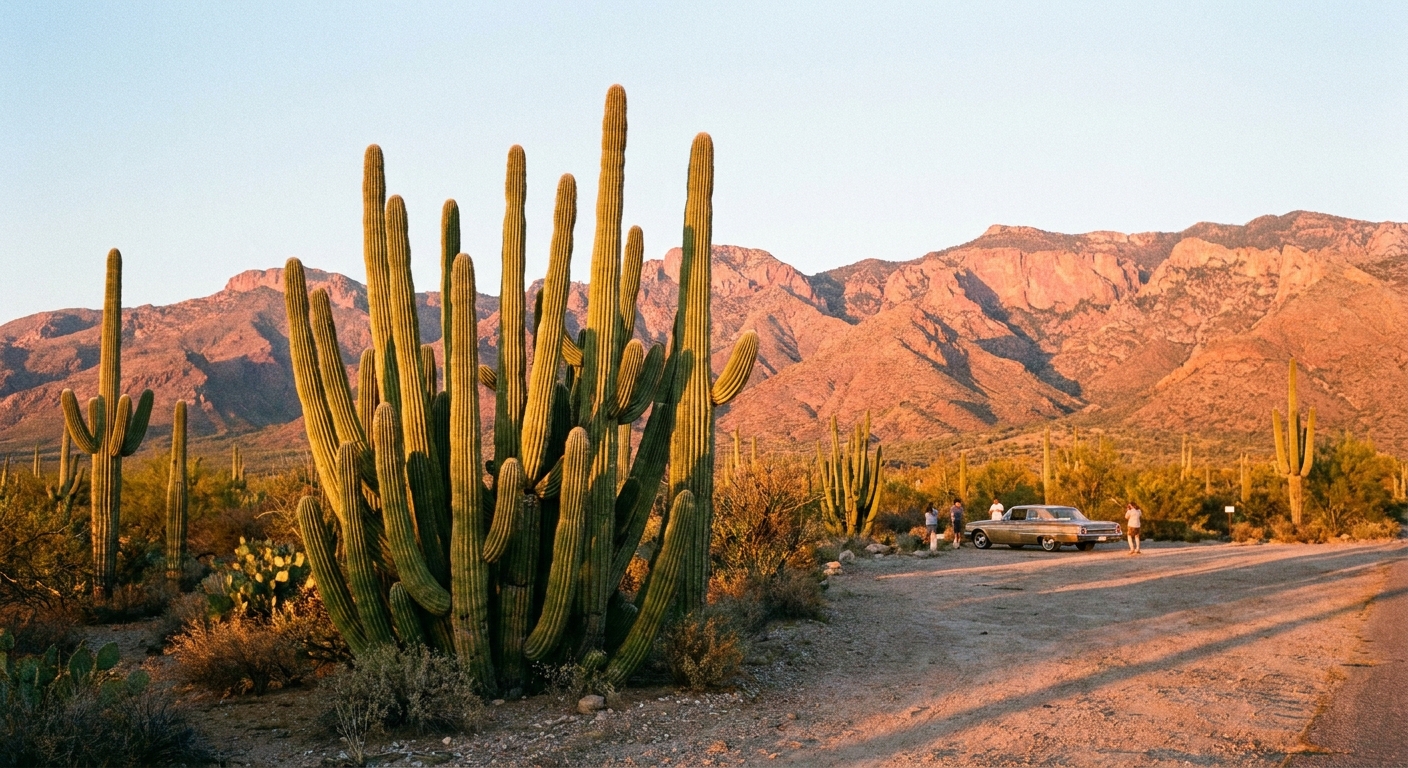
This is the classic: a loop through dense saguaro stands with multiple pullouts and easy add-on walks. It is especially good at sunrise or late afternoon when the light turns cactus spines into glowing halos.
Heads up: Bajada Loop Drive includes graded dirt road sections. It is usually fine for standard cars in dry conditions, but drive slowly, avoid it if it is muddy, and do not treat it like a rally course (your rental agreement would like a word).
East: Cactus Forest Drive
Think of this as an immersive “welcome to the saguaro ecosystem” drive. It pairs nicely with a short trail that starts from a pullout, so you can hop out, stretch your legs, and feel the scale of the desert up close.
Driving tip: Plan one longer stop (30 to 60 minutes) and a couple of quick pullouts, instead of stopping every five minutes. The desert looks similar until you slow down long enough to notice the details: cactus wrens chattering, lizards doing push-ups, the way the mountains frame the cactus forest.
Heat safety
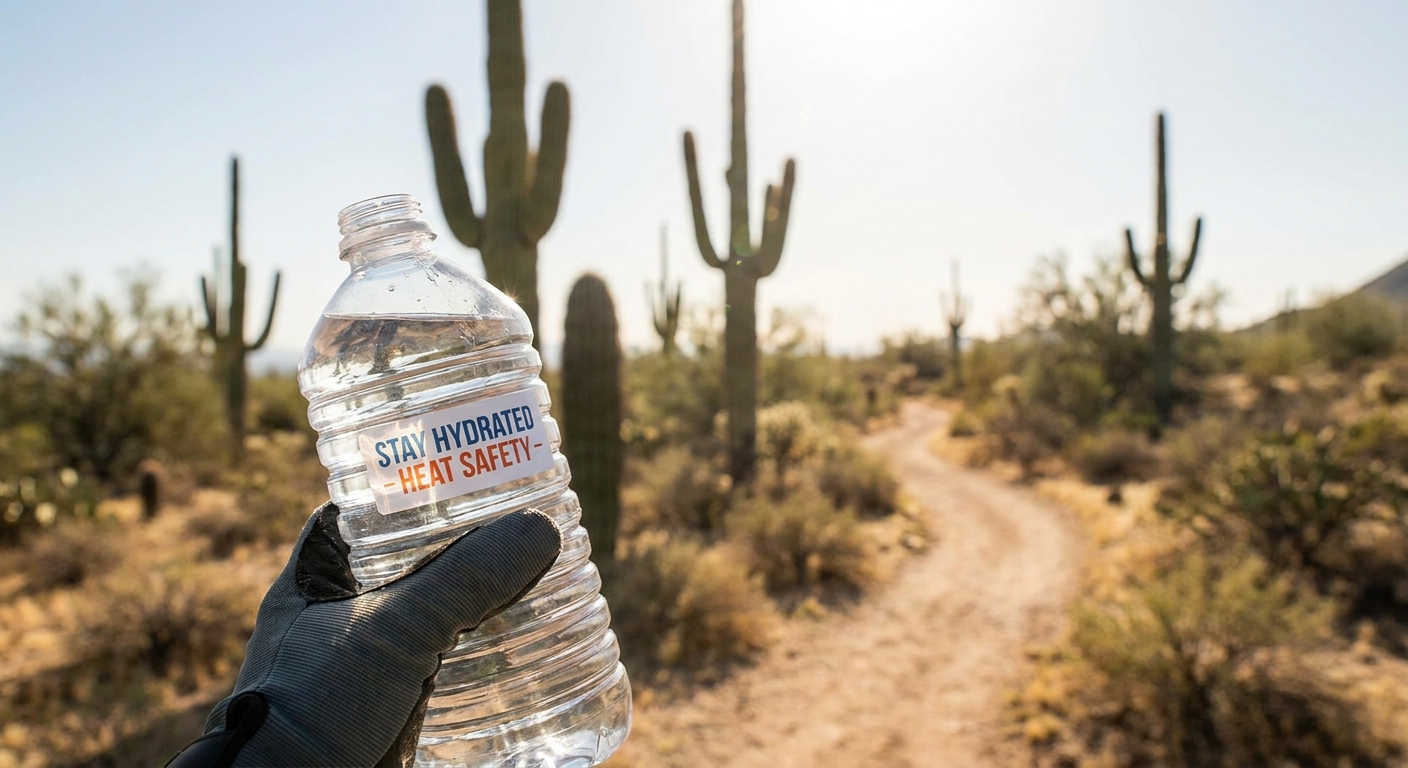
Saguaro National Park can be dangerously hot, especially from late spring through early fall. Heat illness can sneak up on you because the views are distracting and the air is often dry enough that sweat evaporates before you notice you are losing water.
Best seasons and best times
- Cooler months (roughly fall through early spring) are the most forgiving for midday walks.
- Hot months favor sunrise starts and late-day drives, with short, conservative hikes.
Monsoon note
In summer, afternoon monsoon storms can bring lightning, sudden downpours, and fast-changing conditions. If clouds start building and you hear thunder, do not try to “beat the storm” on an exposed trail. Reset your plan and get to a safer place.
How much water to carry
Carry more than you think you need. For planning, a simple heuristic is about 1 liter per person per hour in heat, plus a buffer. For a short, easy walk, many people still do well starting at at least 1 liter per person. If you are going longer, it is hot, or you are hiking in full sun, plan for 2 to 3 liters per person (or more), and add electrolytes if you sweat easily. Needs vary by temperature, effort, and your body, so when in doubt: more water, fewer “extras”.
Desert-smart gear
- Wide-brim hat or cap plus neck coverage
- Sunscreen and sunglasses
- Electrolytes (especially if you sweat easily)
- Closed-toe shoes for spines, rocks, and the occasional surprise thorn
- More snacks than you think, because heat drains energy fast
If the day feels too hot to hike, that is not a failure. That is desert literacy. Drive, do a very short nature walk, spend time in the visitor center, and come back at sunrise tomorrow if you can.
Wildlife and cactus sense
The Sonoran Desert is alive, even when it looks quiet. Your job is to move through it without stressing animals or damaging plants that grow painfully slowly.
Keep wildlife wild
- Do not feed animals, even birds. It changes their behavior and can harm them.
- Give space. If an animal changes what it is doing because of you, you are too close.
- Be extra alert at dawn and dusk when wildlife activity ramps up.
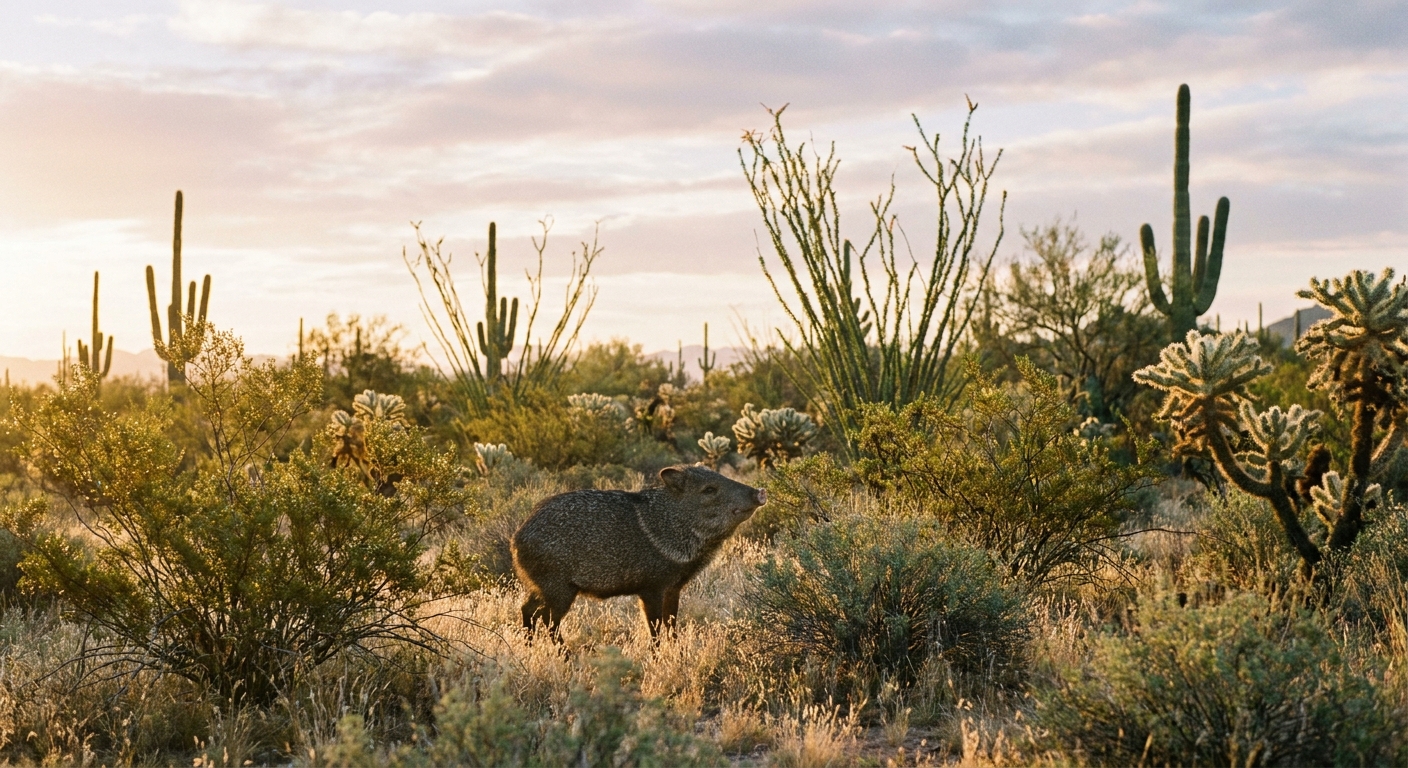
Rattlesnakes, javelinas, and surprises
- Watch the trail, not just the views. Snakes and lizards love warm edges of paths.
- Do not try to “help” an animal off the trail. Back up, give it time, and reroute if needed.
- Pets: pets are generally not allowed on most trails in national parks, and Saguaro is no exception. They are typically limited to roads and certain areas. If you are traveling with a dog, check the current NPS pet policy before you commit to a trail plan.
Respect the saguaros
Saguaros can live for well over a century. Stay on trail, avoid stepping on tiny seedlings, and never carve or remove cactus parts. Also, give the spines respect. They will win.
A simple one-day plan
This sample day assumes you choose one district and want a balanced mix of iconic scenery, a short hike, and the kind of unhurried time that makes the desert click. Trail distances are approximate and can vary by exact turnaround point. Confirm at the visitor center.
Option A: One day in the West
- Early morning (30 to 45 minutes): Start at Red Hills Visitor Center. Check conditions, grab a map, top off water, and ask what is safest today.
- Morning scenic loop (60 to 90 minutes): Drive Bajada Loop Drive with two to three pullout stops.
- Short trail pick (45 to 90 minutes total time): choose one based on heat and energy:
- Signal Hill Trail (short, mostly flat): a quick walk to petroglyphs with big desert views. Great “history + saguaros” payoff.
- Valley View Overlook Trail (short): ideal for a sunset-style viewpoint without committing to a long hike.
- King Canyon Trail to the Mam-A-Gah picnic area (moderate out-and-back if you go far): go as little or as much as you want, then turn around before heat or legs start negotiating.
- Midday reset (as needed): If it is hot, shift to exhibits, a long lunch in Tucson, or a café break. This is the “Town Wander” part of the day.
- Late afternoon (60 to 90 minutes): Return for golden hour pullouts and your chosen short trail if temperatures allow. If you already hiked, do a low-effort pullout and let the light do the heavy lifting.
Option B: One day in the East
- Early morning (20 to 40 minutes): Start at the Rincon Mountain Visitor Center for current trail guidance and timing advice.
- Drive + choose-your-own pullouts (60 minutes): Cruise Cactus Forest Drive and pick a couple of pullouts with the densest saguaro stands.
- Two short walks instead of one longer hike: in heat, I prefer two small bites. Good low-mile options include:
- Desert Ecology Trail (very short, interpretive): a quick, educational loop that helps the landscape make sense.
- Freeman Homestead Trail (short): a straightforward walk with a “people lived here” context that adds depth to the cactus forest.
- Mica View Trail (longer, flatter option): start at the accessible trailhead area and do a short out-and-back if the day is warming up.
- Sunset strategy: If the evening cools off, do your second walk late. If not, enjoy sunset from a safe pullout and save the hiking for another trip.
How many miles is “low-mile”? Aim for 1 to 4 miles total of walking across the day, depending on season and comfort level. You will still see plenty of saguaros, and you will remember the experience more than the step count.
Small tips
- Start earlier than you think. Sunrise is cooler, quieter, and wildly photogenic.
- Plan bathroom stops. Use visitor centers when you can.
- Protect your car and yourself. Do not leave water bottles in direct sun, and keep extra water in the car for the drive.
- Stay on trail. Desert soil crust and tiny plants are easy to damage and slow to recover.
- Build in a Tucson treat. A local coffee shop or a relaxed meal is a perfect counterweight to the rugged landscape.
- Sunrise and sunset timing: check the day’s times before you go so you are not guessing in the parking lot.
FAQ
Can I visit both districts in one day?
You can, but it often feels rushed. If you have one day, pick one side. If you have two days, do one district per day and you will get a much better experience.
Is the park good for kids or non-hikers?
Yes. The scenic drives, pullouts, and short nature trails make it very accessible, as long as you take heat and water seriously.
What is the biggest mistake people make on a first visit?
Underestimating the heat and overestimating hiking capacity. In the desert, a “short” hike in high temperatures can be a big deal.
Takeaway
If you do three things, you will have a great first visit: choose one district, carry more water than you think you need, and leave space for unhurried stops. The Sonoran Desert rewards attention. The more you slow down, the more it shows you.