San Juan Islands Without the Stress
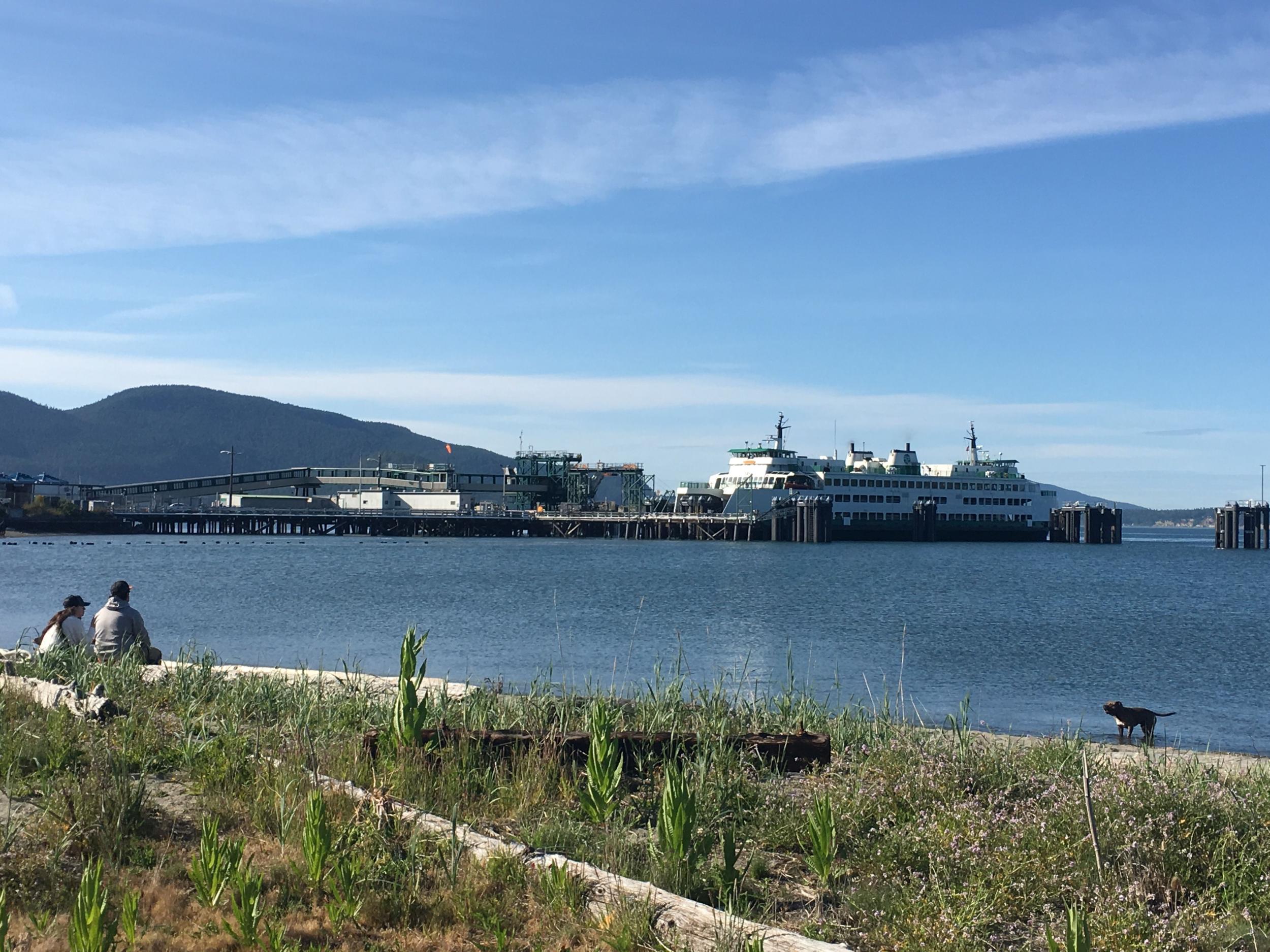
The San Juan Islands are my favorite kind of Pacific Northwest travel: misty morning coffee in town, an easy forest hike before lunch, then salty air and a sunset stroll that feels like you stepped into a postcard. The only catch is the ferry, which can turn a dreamy island day into a logistics spiral if you wing it.
This guide keeps it simple: how to choose walk-on versus bringing a car, how to pace a same-day island hop without sprinting, a handful of shoreline and forest hikes that feel like the islands in miniature, and how to think about whale watching with realistic expectations.

Ferry logistics that work
Before you go checklist
- Check WSF alerts and the current schedule the day before and the day of travel. Vessel changes happen.
- If you bring a car, reserve both directions (outbound to the islands and a separate return reservation back to Anacortes). Day-trippers get stranded by forgetting the return.
- Screenshot your sailing details because cell service can be spotty in line and on some parts of the islands.
- Build a Plan B for your island day in case a sailing runs late. Pick one backup hike or town stop that still feels good in a tighter window.
Know your routes: Anacortes is the gateway
Most visitors reach the San Juan Islands via the Washington State Ferries (WSF) system out of Anacortes. Popular island stops include:
- Friday Harbor (San Juan Island): the most walkable base for food, shops, and waterfront wandering.
- Orcas Island: bigger, greener, and packed with short hikes plus one of the best state parks in Washington.
- Lopez Island: quieter and more bike-friendly, with open farmland and shoreline views.
Schedules shift by season, day of week, and vessel availability. Treat the posted timetable like your starting point, then build in padding for real life: loading, unloading, and the inevitable moment where everyone asks, “Are we on the right line?”
Walk-on vs car
Walk-on is the low-stress option if you are mainly doing Friday Harbor on foot, one guided activity, or a single easy trail close to town. You skip the vehicle queue and you can often travel more flexibly.
Bring a car if you want to hit multiple trailheads in one day, explore the far sides of Orcas, or you are traveling with kids, coolers, or mobility needs where a vehicle makes the day easier.
Reality check: the islands are not huge, but viewpoints and trailheads are spread out. On Orcas in particular, a car unlocks the best “town plus trail” day.
Reservations: what they do and do not do
WSF uses vehicle reservations on the Anacortes to San Juan Islands routes for many sailings, but the details can change. Always verify current rules on the WSF site before you commit to a plan. Here is the practical takeaway:
- Vehicle reservations are for cars. A reservation holds space for your vehicle on a specific sailing, but you still need to arrive by the stated check-in time.
- Reserve the return, too. Outbound and return are separate reservations when you bring a vehicle.
- Walk-on passengers generally do not need reservations on these routes, but you still need to show up with enough time to buy tickets and board.
- A reservation is not a teleportation device. If you miss the cutoff, you may be moved to standby, which can mean a long wait on busy days.
If you are traveling on summer weekends, holidays, or any sunny Friday, treat a vehicle reservation as essential in both directions. If you are traveling midweek in shoulder season, you may have more flexibility, but I still prefer the calm of knowing my sailings are locked in.
Tickets and timing
Most people buy round-trip, but the key point is that vehicle space is controlled by reservations, not by whether you bought one-way or round-trip. Purchase tickets in advance if you can, and confirm how early you need to be in line.
- Typical vehicle check-in cutoffs are often 30 to 60 minutes before departure, depending on the sailing. Use the exact cutoff stated for your trip.
- Walk-on: you can arrive closer to departure, but do not cut it razor-thin. Lines, parking, and ticketing can still slow you down.
Parking and getting to the terminal
Anacortes is roughly 80 to 110 miles from Seattle and often takes about 1.5 to 2+ hours depending on traffic. Summer weekends and Friday afternoons can push it longer.
If you are walking on, you will need a plan for your car:
- Long-term parking is available near the terminal, but fill levels change quickly in peak season.
- Drop-offs and rideshares can work, but do not assume rideshare availability late at night.
If you are coming from Seattle without a car, it is possible to use transit to reach the area and connect onward, but it adds time and complexity. For a one-day visit, that often makes the day feel rushed.
Island hopping in one day
Same-day pacing is where most people overestimate what is enjoyable. Ferries run on schedules, but your day runs on reality: loading times, late sailings, and the fact that you will want to stop and stare at the water for longer than planned.
If you want a satisfying day that still feels like a vacation, choose one anchor island and treat anything else as a bonus. My favorite approach is one hike, one town, and a generous buffer to get back to the terminal early.
Friday Harbor on foot
Friday Harbor is compact and friendly for wandering. You can step off the ferry and be eating oysters or sipping a latte within minutes. This is my ideal “no-car” island day.
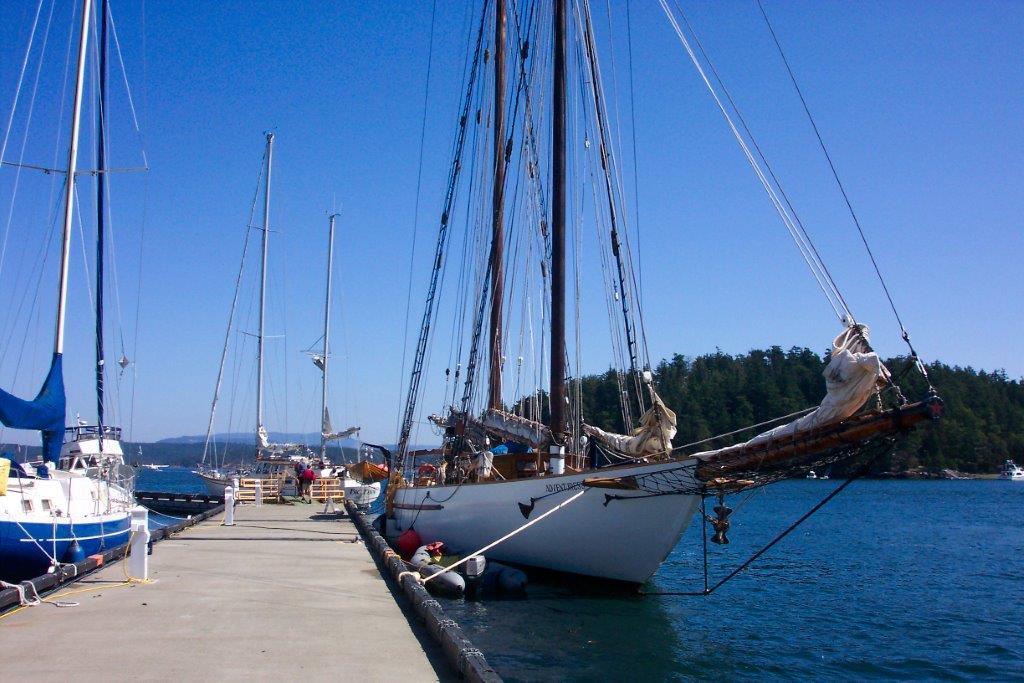
A simple walking loop (1.5 to 3 hours)
- Start at the ferry landing and walk the waterfront to get your bearings.
- Grab coffee and something portable. The islands take coffee seriously, and you will want a warm drink even in summer mornings.
- Browse a few local shops and galleries. Friday Harbor has a small but lively arts scene that rewards slow wandering.
- Waterfront park time: sit with a snack and watch harbor life. It is the easiest way to slide into island time.
Quick add-ons near town
When you want a nature fix without needing wheels, these are easy wins that pair well with a walkable day:
- San Juan Islands Sculpture Park: peaceful trails, art in the trees, and a shoreline vibe (taxi or rideshare is helpful, biking is possible if you are comfortable with roads).
- Jackson Beach: a simple shoreline stroll that can be 20 minutes or a full tide-watching hour (easiest with a car or taxi).
- Roche Harbor: a pretty harbor wander that feels different from Friday Harbor, especially in the evening light (car, tour, or taxi).
Transportation note: local taxi and shuttle options exist but can be limited, especially later in the day or in the off-season. If you are relying on a ride, build extra time and have a backup plan that stays in town.
Food strategy
The best island meals tend to be simple: seafood when it is available, produce in summer, and warm comfort food in the rainy months. If you are doing a day trip, plan one sit-down meal and keep the rest flexible so you are not watching the clock.
Easy hikes on San Juan Island
San Juan Island is ideal for low-effort, high-reward walking. Think shoreline breezes, madrone and fir, and trails that feel wild without asking you to suffer for it.
Lime Kiln Point
This is one of the most beloved coastal areas on the island. The walking here is typically short and scenic, with cliffs, kelp, and a big horizon. It is also famous for marine wildlife viewing, especially in the warmer months, but treat it as a beautiful place to watch the sea, not a guarantee of any specific animal.
- Effort: easy
- What you get: lighthouse scenery, rocky shoreline, and classic San Juan views
- Getting there: easiest with a car or tour
- Parking note: drivers typically need a Washington State Discover Pass or day-use fee to park in Washington State Parks (verify current requirements before you go)
- Good to know: wind can be strong, and the shoreline is uneven in places. Keep an eye on kids near the rocks.
National Historical Park
If you like your hikes with a side of history, this is your spot. The walking is gentle, the landscapes are open, and the interpretive elements help you understand how layered these islands are: Indigenous history, colonial claims, and modern conservation all sitting on the same bluffs.
- Effort: easy to moderate depending on route
- What you get: big views, open meadows, and historic context
- Getting there: car recommended if you want to see both American Camp and English Camp in one day
- Good to know: bring a layer. Exposed areas can feel colder than town.
Jackson Beach
For a gentle, no-map-needed beach walk, Jackson Beach is a classic. It is the kind of place where you can do 20 minutes, or you can do an hour and forget you ever had a schedule.
- Effort: very easy
- What you get: pebbly shoreline and calm water on many days
- Getting there: easiest with a car or taxi
- Good to know: beach conditions change with tides and storms. The rocks can be slippery when wet.
Easy hikes on Orcas Island
Orcas is where the San Juans lean into their rugged side. Even the easy walks feel lush, and the views arrive fast if you pick the right trail. If you only have energy for one hike on the whole trip, I would choose Orcas.
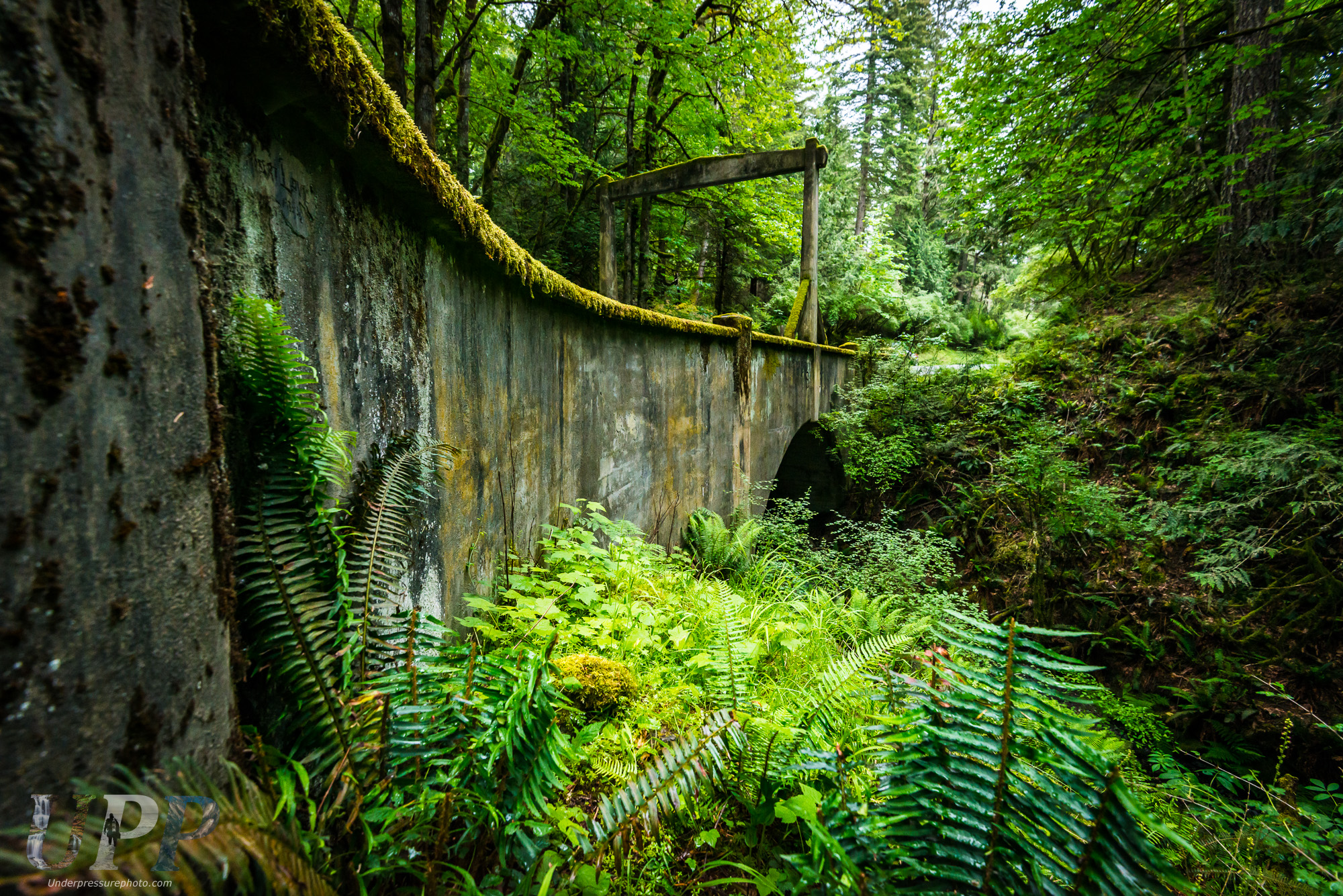
Moran State Park
Moran State Park is the island’s outdoor centerpiece, with lakes, forest trails, and viewpoints that make you feel like you traveled much farther than you did.
Parking note: drivers typically need a Washington State Discover Pass or day-use fee to park at Moran (verify current requirements before you go).
Lake strolls (easy)
For a gentle option, choose a lakeside wander in Moran. It is perfect when you want fresh air without a big climb, and it pairs well with a picnic. Easy, popular places to start include Cascade Lake and Mountain Lake day-use areas, then follow short sections of trail at your own pace.
- Effort: easy
- What you get: calm water, forest shade, and an unhurried pace
- Good to know: mornings are often quietest, especially in summer
Mt. Constitution viewpoint
Mt. Constitution is widely considered the highest point in the San Juan Islands, and the views can be spectacular on clear days. You can access the summit area by road in season, or you can hike portions depending on your time and fitness.
- Effort: easy if driving to viewpoints, moderate to strenuous if hiking longer routes
- What you get: sweeping island and water views when visibility cooperates
- Good to know: road access can be seasonal and the summit area can be crowded in peak summer. Clouds and haze are common. The mood is still worth it.
Pair hiking with a village stop
If you have a car, build a simple triangle: morning trail time, lunch, then a small-town wander. Eastsound is the most common hub for food and browsing.
If you are walking on without a car, consider booking a shuttle, taxi, or tour in advance. Service exists, but it can be limited, and the islands are not the place to assume a last-minute ride will appear on command.
Whale watching
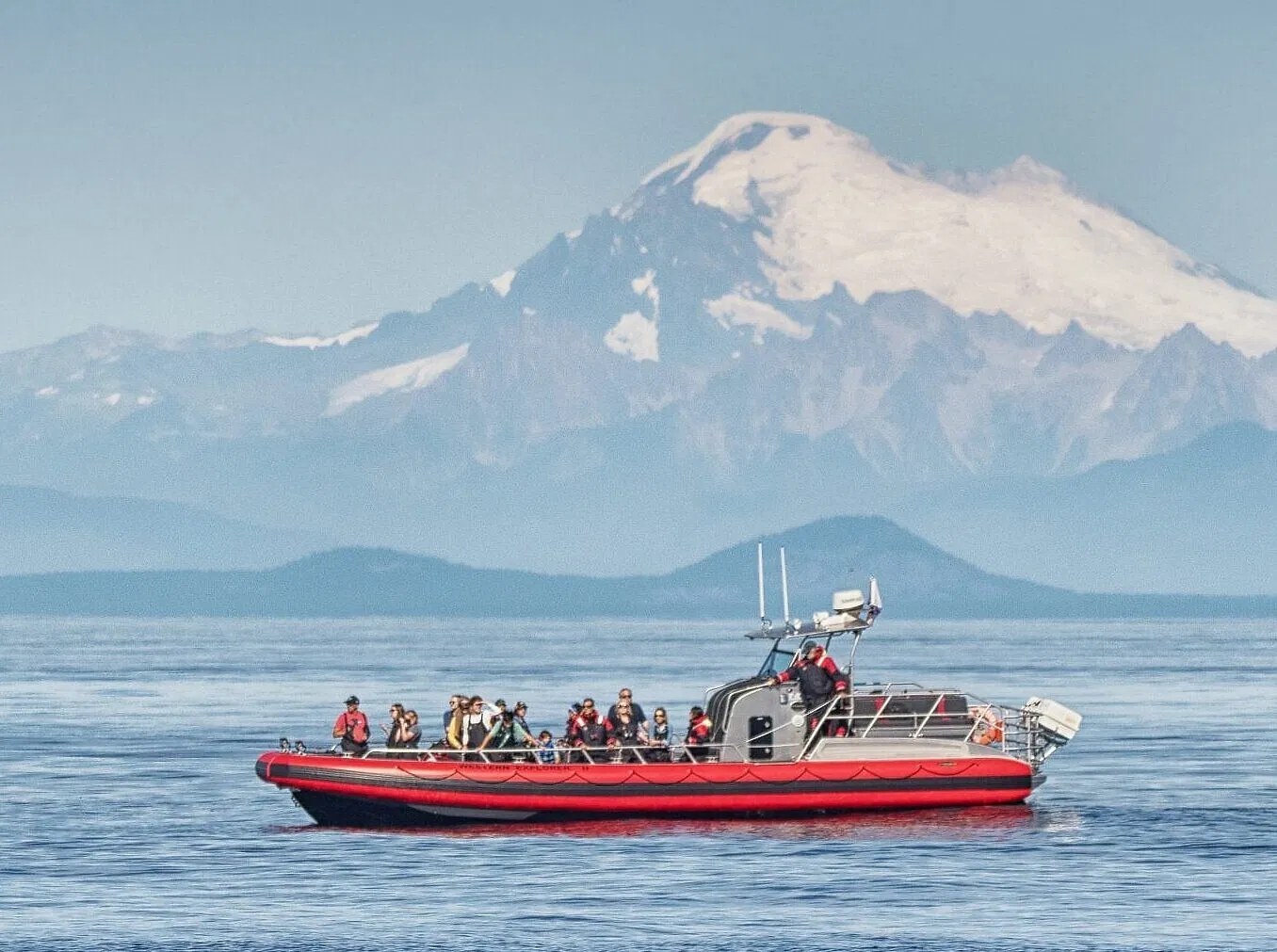
The San Juans are famous for whales, and it is normal to arrive hoping for that once-in-a-lifetime breach. The honest truth: wildlife does what it wants. You can have an incredible trip without seeing a single fin, and you can also get lucky on a random Tuesday when you least expect it.
When sightings are more likely
In general, spring through early fall tends to bring the most frequent tour options and calmer conditions. Actual sightings vary by species and year to year conditions. Bigg’s (transient) orcas and humpbacks are often part of the conversation, while Southern Resident orcas are not reliably present. Book for the on-the-water experience first, and treat wildlife as the bonus.
What to bring
- Layers: it is colder on the water than in town, even on sunny days.
- Wind protection: a light rain shell goes a long way.
- Binoculars: helpful for spotting distant activity without relying on your phone camera.
- Sea-sickness plan: if you are prone, take medication before boarding. Taking it once the water is rough is usually too late.
Choose ethical operators
Look for companies that emphasize distance rules, time limits near animals, and education. The best tours feel like a naturalist-led field trip, not a chase scene. You can also look for alignment with current regional guidance like Be Whale Wise.
Same-day itinerary ideas
Pick one and relax. Your future self will thank you.
Option A: Friday Harbor on foot
- Morning (2 to 3 hours): arrive, waterfront walk, coffee and bakery breakfast, browsing
- Midday (1 to 1.5 hours): easy add-on like the Sculpture Park or a nearby shoreline stop, then lunch
- Afternoon (1 to 2 hours): galleries and shops, park time by the marina
- Buffer (45 to 90 minutes): get back to the terminal early and let the schedule be the schedule
Option B: Orcas Island
- Morning (2 to 3 hours): ferry in, head to Moran for a Cascade Lake or Mountain Lake stroll
- Midday (1 to 1.5 hours): lunch in Eastsound
- Afternoon (1 to 2 hours): Mt. Constitution viewpoint if road access is open, or a short forest trail, then return
- Buffer: leave extra time for summer traffic inside the park and ferry lineups
Option C: San Juan Island lighthouse and history
- Morning (2 to 3 hours): Friday Harbor breakfast, then Lime Kiln Point
- Midday (1 hour): picnic or casual lunch
- Afternoon (2 hours): American Camp or English Camp, then return to town
- Buffer: aim to be back near the terminal well before your sailing
What to pack
The islands reward light, flexible packing. My carry-on-only brain loves this place because the essentials are simple.
- Light rain jacket you will actually wear
- Warm mid-layer for mornings and boat rides
- Comfortable walking shoes with decent traction for damp paths and roots
- Refillable water bottle
- Small day pack for snacks and layers
- Leave No Trace basics: pack out trash, stay on trails, and respect wildlife
Quick safety note: shorelines can be rocky and slippery, and tides can change your beach plans. If you are exploring near the water, slow down and watch your footing.
Best ferry and hike tips
- Anchor your day to one ferry plan, then build everything else around it with a time buffer.
- If you need a car, reserve it both ways. Outbound and return reservations are separate, and forgetting the return is how day trips turn into accidental overnights.
- Remember the pass: if you are parking at Moran State Park or Lime Kiln Point, plan on a Discover Pass or day-use fee.
- If you want the easiest day, walk on and commit to Friday Harbor plus one nearby nature stop.
- Pick hikes that match ferry reality. Short, scenic trails beat ambitious mileage when your ride home has a departure time.
- Whales are a bonus. Treat the water, the wind, and the coastline as the main event.
If you travel slowly here, the San Juans give back fast: salt air, evergreen silhouettes, and that satisfying feeling of doing both town and trail in the same day.