White Sands vs Great Sand Dunes
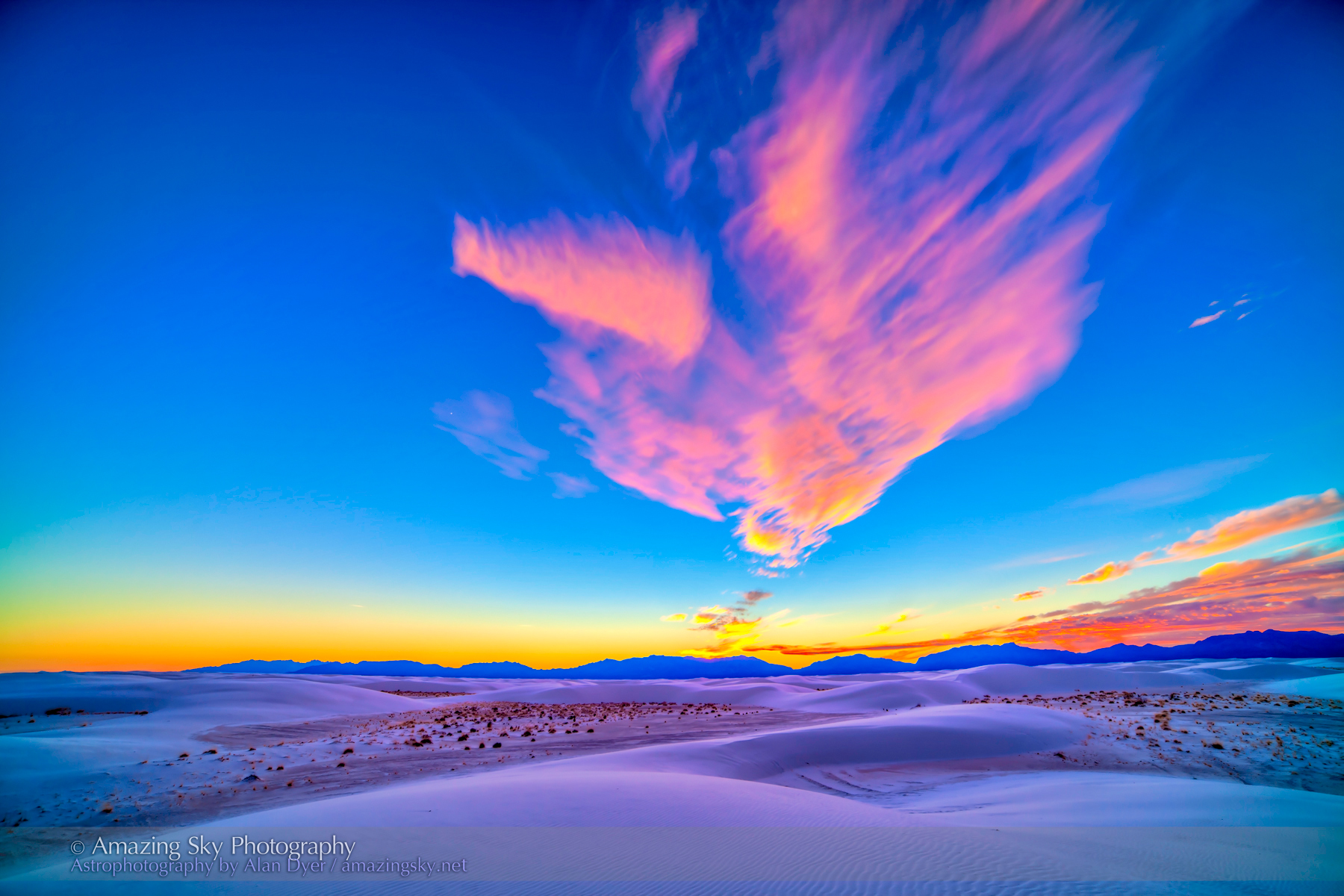
If you are craving a dunes trip, you are already winning. The tricky part is choosing which kind of sand adventure you want: the surreal, snow-white gypsum waves of White Sands National Park in southern New Mexico, or the towering alpine-backed giants of Great Sand Dunes National Park and Preserve in Colorado.
I love both for different moods. One is a sunset stroll that feels like walking on another planet, followed by an excellent latte in town. The other is a full-body climb at altitude with mountain views that make you forget your legs are toast. Below is the side-by-side I wish I had before my first visit to each.

Quick pick: which one should you book?
Pick White Sands if you want
- Easy, high-reward walking with minimal elevation gain
- Reliable sand sledding that is simple to do near the main access area
- Short, flexible visits that still feel magical (hello, “after lunch” national park)
- Best-in-class sunset and blue-hour photography with clean horizons and graphic shadows
- Urban comforts nearby in Alamogordo and Las Cruces, plus the culture and food scene in El Paso
Pick Great Sand Dunes if you want
- Big-mountain scale dunes that feel like a real summit hike
- Adventure variety like dune hiking plus seasonal Medano Creek and nearby alpine drives
- A full-day (or multi-day) outdoor trip with serious payoff
- Epic sunrise photography with the Sangre de Cristo Mountains as a backdrop
- Cooler mornings and evenings than you would expect, thanks to elevation
Sand sledding vs dune hiking
White Sands: sledding is the headline
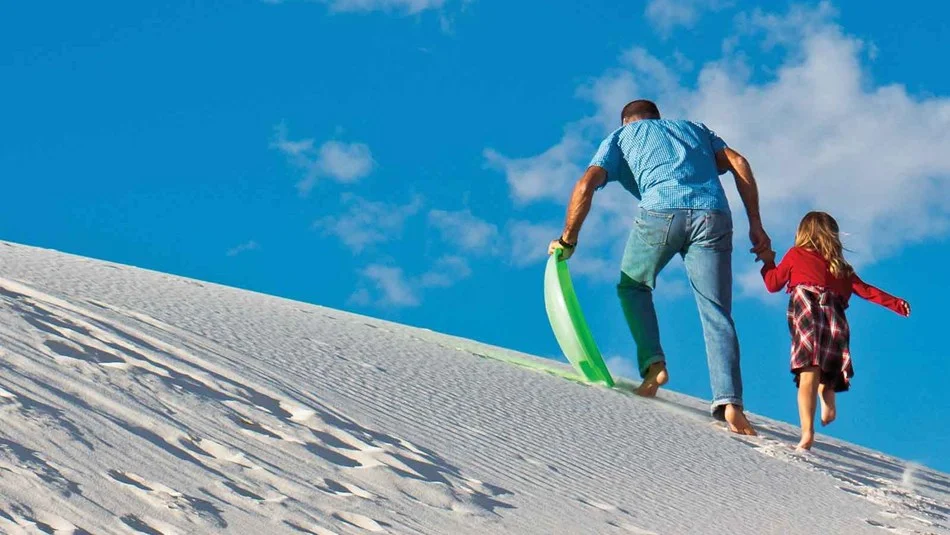
White Sands is famously friendly for first-time sledders. The dunes are approachable, the slopes are fun without being intimidating, and you can do a few runs, laugh a lot, then wander out for photos before the light shifts. If your crew includes kids, casual travelers, or anyone who wants “adventure” without a full workout, this is the easy win.
Reality check: gypsum is not exactly snow. Some sled runs fly, some crawl. Conditions vary with moisture and wind, and even on slower days it is still a blast in a low-stakes way.
Great Sand Dunes: hiking is the headline
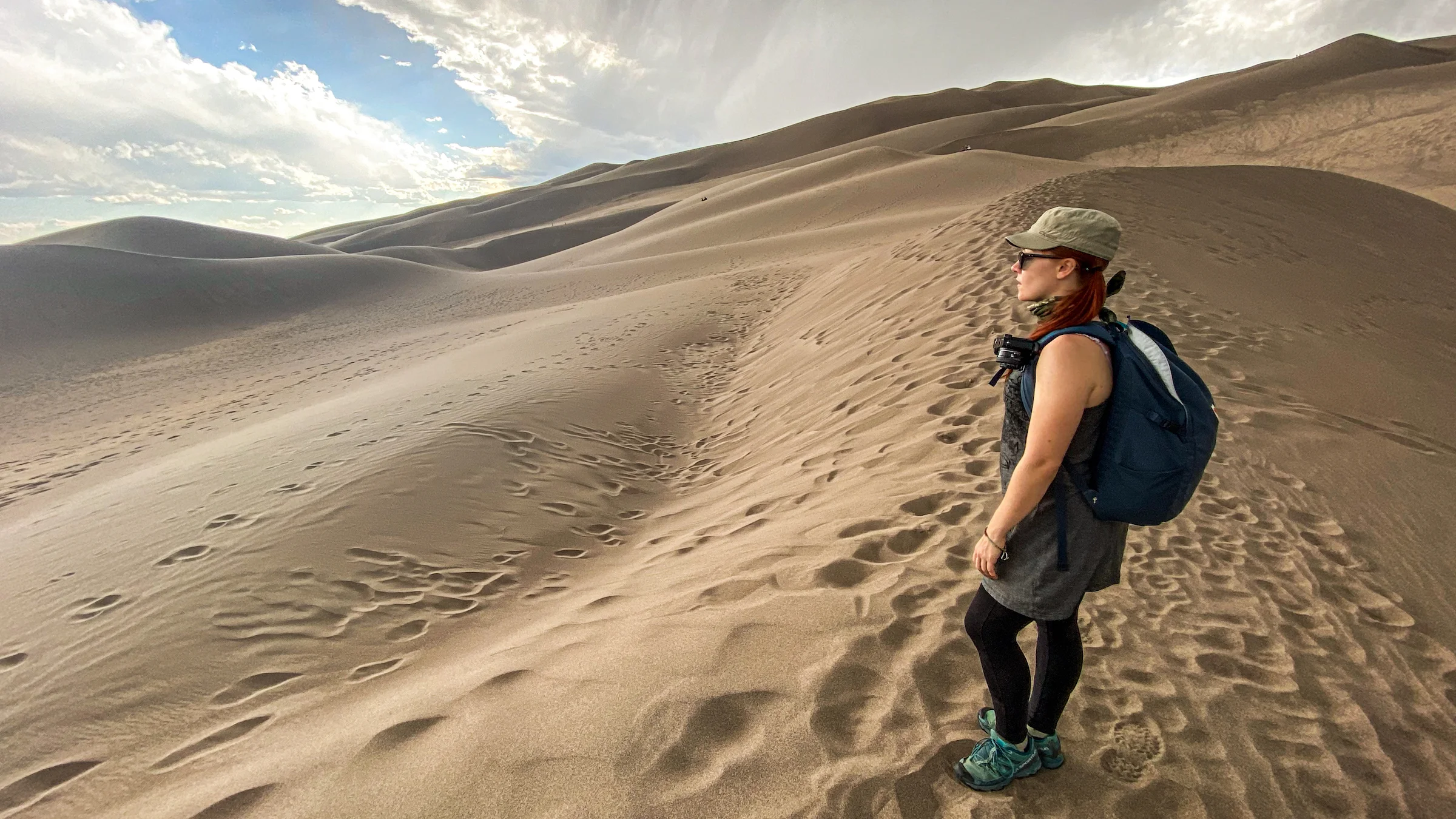
Great Sand Dunes is where you go when you want that satisfying, lungy, soft-sand climb that makes you earn the view. The dunes here are the tallest in North America, and you feel it. Even a “short” out-and-back can turn into a cardio session, especially if you are not acclimated to the elevation.
Sledding and sandboarding are also popular here, but the vibe is more “bring the gear, plan the effort.” The sand can be very soft, and the bigger slopes tempt you into longer climbs between runs.
Elevation and heat: what your body will notice
White Sands: lower elevation, desert sun
White Sands sits in the Chihuahuan Desert region. Expect strong sun and big heat potential, especially late spring through early fall. The very fun plot twist is that the dunes are made of gypsum, which reflects sunlight and famously stays cool to the touch compared to darker, silica-based sand. The environment is still desert, though: low humidity, quick dehydration, and limited shade.
- Best strategy: go early or late, carry more water than you think, and plan a midday break back at the car or in town.
- Feet tip: you can often walk barefoot comfortably here, but you will still want something for protection. Think sharp bits, scratchy plants near trail edges, and the general joy of not dumping sand out of your shoes every 12 minutes. Closed-toe shoes or sandals you can shake out easily are your friend.
Great Sand Dunes: altitude plus temperature swings
Great Sand Dunes is a different kind of intensity. The park sits around high elevation (roughly 7,500 feet in the main area), so you will feel thinner air, quicker exertion, and bigger day-to-night temperature changes.
- Best strategy: start at sunrise, pace your climbs, and layer up. Even in warm months, mornings can be crisp.
- Feet tip: summer sand can get hot by late morning. Many hikers do early hikes barefoot or in sandals, then switch to shoes when the sand heats up.
Airport access and driving distances
Both parks are road-trip friendly, but they serve different hubs. Here is the planning overview most travelers care about.
White Sands: easiest from El Paso
- Closest major airport: El Paso International Airport (ELP)
- Typical drive: about 1.5 to 2 hours to the park area depending on your route and where you stay (Alamogordo vs Las Cruces)
- Why it matters: you can fly in, grab tacos and coffee in El Paso, then still make a sunset session at the dunes with a little hustle
Great Sand Dunes: doable, but plan the drive
- Common airports: Colorado Springs (COS) and Albuquerque (ABQ) are popular; Denver (DEN) works if you do not mind a longer drive
- Typical drive: roughly 2.5 to 4+ hours depending on your airport choice and weather
- Why it matters: this trip feels more like a dedicated park day (or weekend), not a quick add-on
If you love pairing nature with towns, both deliver. White Sands pairs nicely with the food and culture of Las Cruces and El Paso. Great Sand Dunes pairs with quiet mountain-valley towns, with Alamosa as the classic base, and a more unplugged vibe.
Half-day vs full-day expectations
White Sands: the ultimate half-day national park
White Sands is one of my favorite “short-but-stunning” parks. You can absolutely have a fulfilling visit in 3 to 5 hours, especially if you time it for late afternoon into sunset. Many travelers do it as a single stop on a New Mexico road trip.
- Half-day plan: arrive mid-to-late afternoon, do a short walk and sledding, then stay for sunset and blue hour.
- Full-day plan: add a longer hike, a picnic, and a second photo session (sunrise or sunset). Break up the midday heat with town time.
Great Sand Dunes: plan a full day, ideally overnight
At Great Sand Dunes, a “quick stop” is still legit, but most people are happiest giving it a full day. The hiking effort, the scale, and the drive time make it feel best when you are not rushing.
- Half-day plan: start at sunrise, hike to a high ridge, then leave before midday heat and crowds.
- Full-day plan: sunrise hike, creek time (when flowing), rest break, then a golden-hour return to the dunes.
- Overnight bonus: staying nearby lets you catch both sunrise and sunset without grinding yourself down.
Photography timing: when the dunes look their best
White Sands: sunset and blue hour steal the show
White Sands photographs like a dream in late afternoon through twilight. The low-angle light turns the dune ripples into a pattern party, and the bright gypsum plays beautifully with pastel skies.
- Best light: sunset, blue hour, and bright overcast days for clean, minimal scenes
- Look for: footprints-free ridges, wind-sculpted ripples, and long shadows
- Pro tip: walk a bit past the first easy dunes to lose the crowd in your frame
Great Sand Dunes: sunrise with mountains is unbeatable
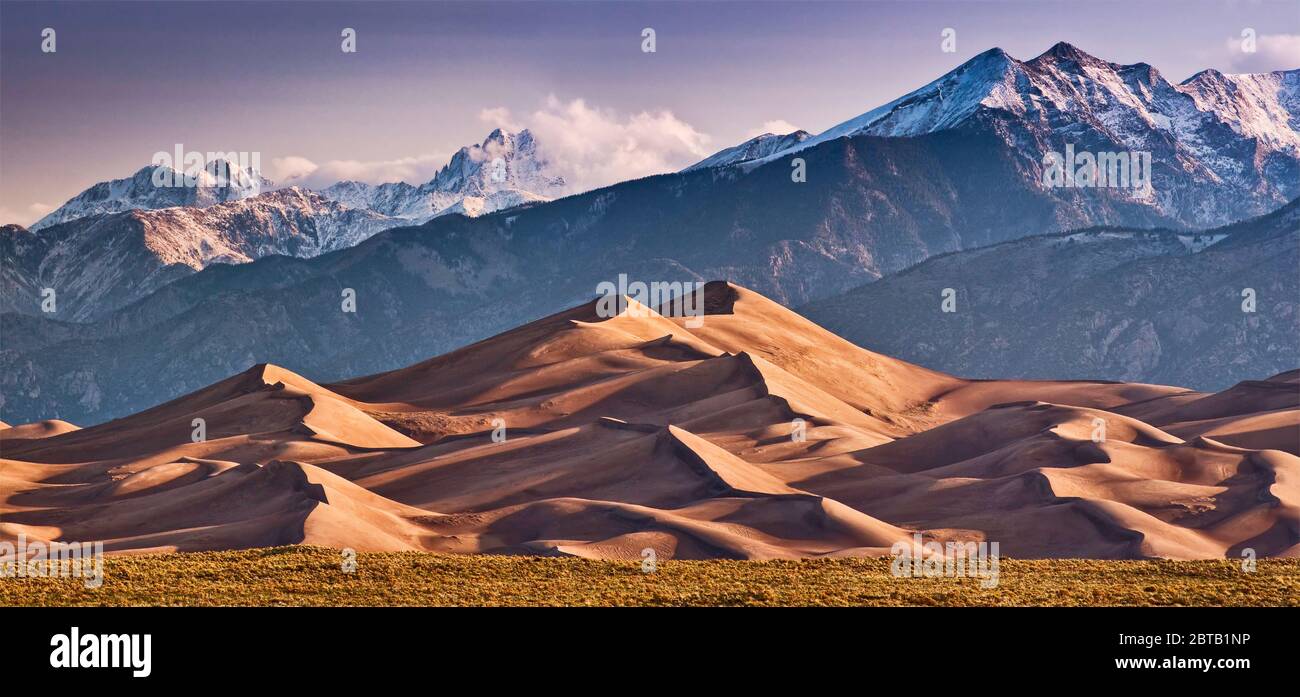
Great Sand Dunes is my pick for sunrise. The dunes warm from cool gray to gold while the Sangre de Cristo range comes alive behind them. Wind is often calmer early, which helps preserve clean sand patterns.
- Best light: sunrise and early morning; golden hour is also gorgeous but can be windier
- Look for: ridge lines, scale shots with tiny hikers, and mountain-dune contrast
- Pro tip: bring a layer and gloves in cooler months. Your hands get cold fast when you are adjusting camera settings.
Comfort and logistics: the unsexy stuff that makes or breaks the day
White Sands: simple logistics, faster resets
- Town breaks: easy. You can cool off, refuel, and return for evening light.
- Wind and sand: expect sand in your car and bag. Bring a towel and a small brush.
- Accessibility: generally friendly for mixed-ability groups if you keep your plans flexible.
Great Sand Dunes: prep pays off
- Energy management: altitude plus soft sand is a combo. Snacks, water, and pacing matter.
- Footwear and comfort: consider bringing both sandals and closed-toe shoes so you can adapt to sand temperature.
- Weather swings: mornings can be chilly, afternoons can be hot, and wind can show up quickly.
- Medano Creek note: if creek time is on your must-do list, plan for late May through June in most years, with timing and flow varying based on snowpack.
Decision checklist
If you are still torn, answer these like a friend is asking you over coffee.
- Do you want a big workout? Yes: Great Sand Dunes. No or maybe: White Sands.
- Are you sensitive to altitude? Yes: White Sands is easier. No: Great Sand Dunes is a thrill.
- Do you have only one open afternoon? White Sands.
- Do you want dramatic mountain backdrops? Great Sand Dunes.
- Is sledding the main goal? White Sands for simple fun; Great Sand Dunes if you want bigger slopes and do not mind the effort.
- Are you planning around photography? Sunset lovers: White Sands. Sunrise lovers: Great Sand Dunes.
How to pair your park with town time
This is my favorite part of planning dunes trips: building in just enough city comfort to make the outdoors feel even better.
- White Sands pairing: base near Alamogordo for convenience, or lean into the food scene and breweries in Las Cruces. If you fly into El Paso, consider spending a night for excellent borderland cuisine and strong coffee before heading out.
- Great Sand Dunes pairing: base in Alamosa for the most straightforward logistics, then lean into quiet evenings, starry skies, and early starts. It is less about nightlife and more about cozy meals and a slower pace.
If you want the full park-specific itineraries, trail picks, and where-to-stay breakdowns, head to our dedicated guides for each park on Town Wander. This page is meant to help you choose the best match, without repeating everything you already came here to compare.
My personal call
If you want one unforgettable evening that feels cinematic and low-stress, pick White Sands.
If you want a true national park adventure day with a wow-factor skyline and a legs-for-days climb, pick Great Sand Dunes.
And if you can swing it: do both on different trips. They are not substitutes. They are two totally different ways to fall in love with sand.