Zion Kolob Canyons: Quiet Trails and Seasonal Closures
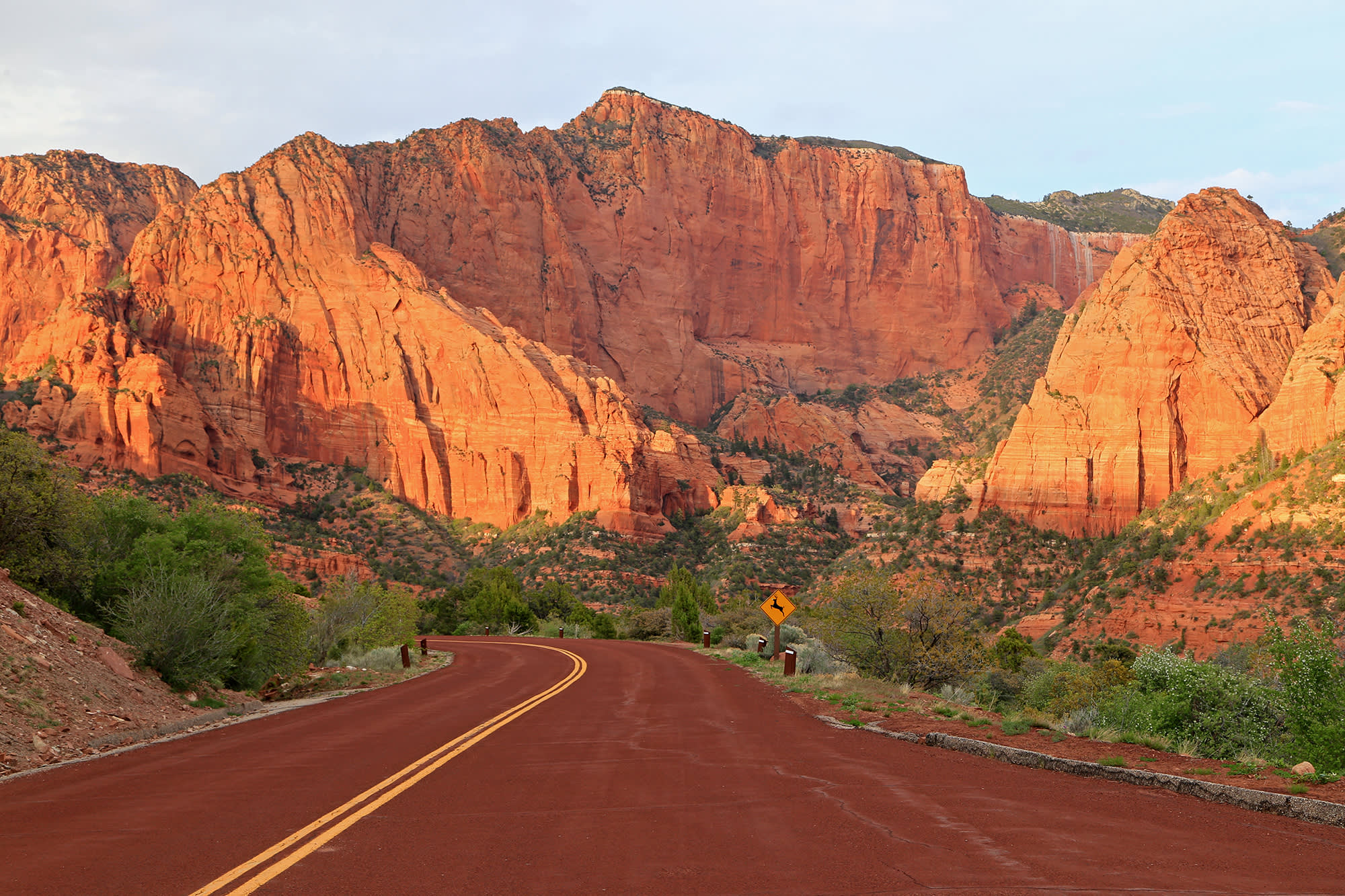
If Zion Canyon is the headliner, Kolob Canyons is the low-key show locals sneak into when the main stage is packed. This northwest corner of Zion National Park, accessed directly off I-15 at the Kolob Canyons exit near New Harmony and Leeds, delivers big red-rock views, shorter trail options, and a totally different pace than Springdale and the shuttle scene.
This page is designed to help you plan Kolob as a distinct crowd-avoidance day, not a “quick add-on” to Angels Landing or The Narrows. You will find the entrance logistics, the Taylor Creek vs Timber Creek decision, realistic winter closure expectations, and what to do when the gate is shut.

Where Kolob Canyons is
Kolob Canyons sits on Zion’s northwest side, closer to Cedar City than to Springdale, and just a quick hop off I-15. The vibe is immediately different: you drive in, you park at trailheads, you hike, and you leave. No in-park shuttle system, no parking roulette in Zion Canyon.
Entrance basics
- Main access: Kolob Canyons Visitor Center and Kolob Canyons Road (scenic drive) off I-15 at Exit 40 (signed for Kolob Canyons), near New Harmony and Leeds.
- What to plug into GPS: “Kolob Canyons Visitor Center.”
- Fees and passes: Your Zion entrance fee or America the Beautiful pass applies here too.
- Services: Limited compared to Zion Canyon. Restrooms are typically available at the visitor center area, but do not count on a full-service day. Bring water and snacks.
- Permits: The hikes in this guide (Taylor Creek, Timber Creek, and even Kolob Arch) do not require the same kind of permit/reservation headache people associate with Angels Landing.
How to message this to your group: Kolob is not “Zion, but smaller.” It is “Zion, but quieter,” with its own scenery, trail personality, and weather patterns. If someone in your crew is already cooked by crowds, Kolob is the reset day.
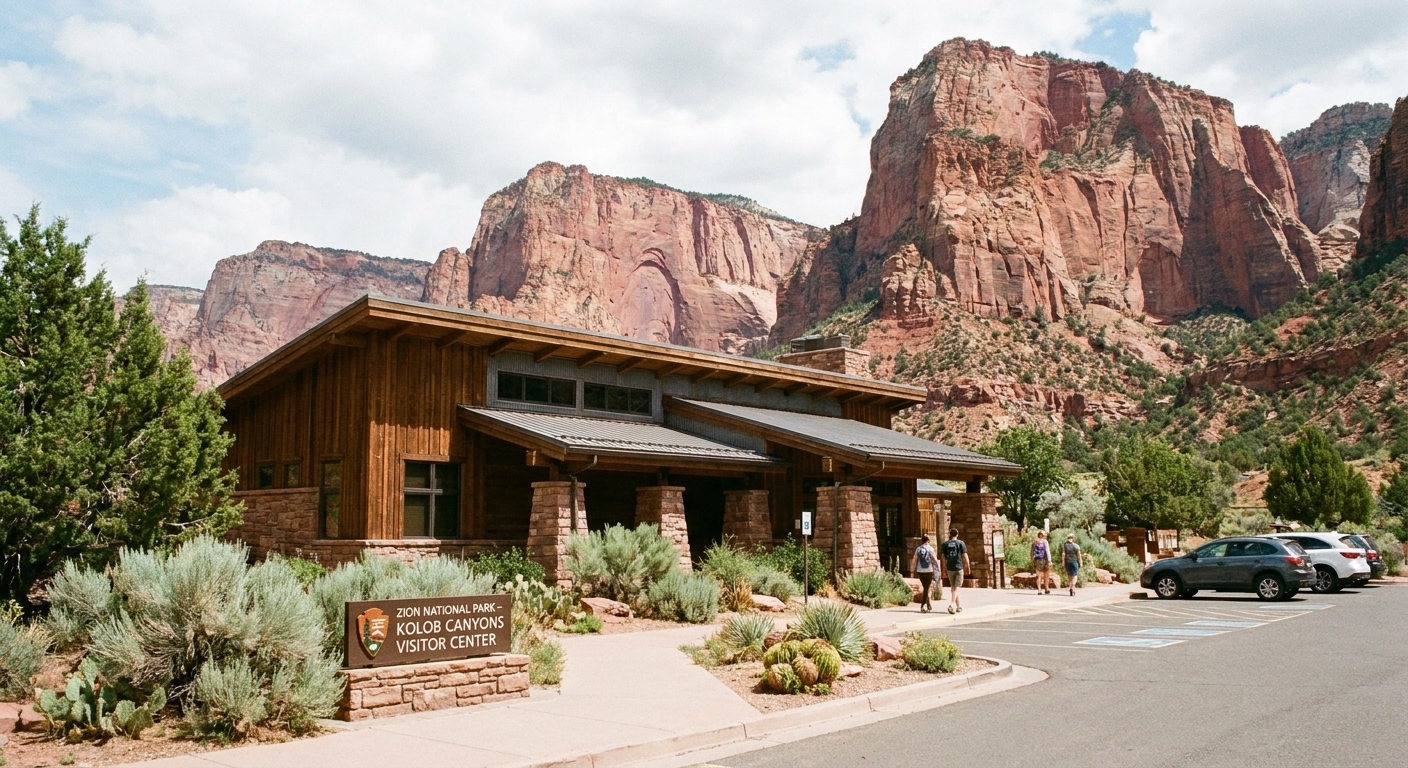
Kolob Canyons Road
Kolob Canyons Road is a short but dramatic climb into a series of finger-like canyons. It is one of the easiest ways to get that Zion wow factor without committing to a long hike.
What it is like
- Distance and time: About 5 miles one way (10 miles round trip). Plan 60 to 120 minutes if you stop often for photos and short strolls.
- Road feel: Steep in places with curves, but generally straightforward in good conditions.
- Big-vehicle note: If you are towing or driving an oversized RV, double-check NPS guidance before committing. This is not the road you want to “see how it goes” on.
- Best for: Families, mixed-ability groups, photographers, and anyone who wants a big-view day with minimal mileage.
When it shines
Late afternoon light here is ridiculous in the best way. If you only have time for one thing in Kolob, do the drive and one trail.
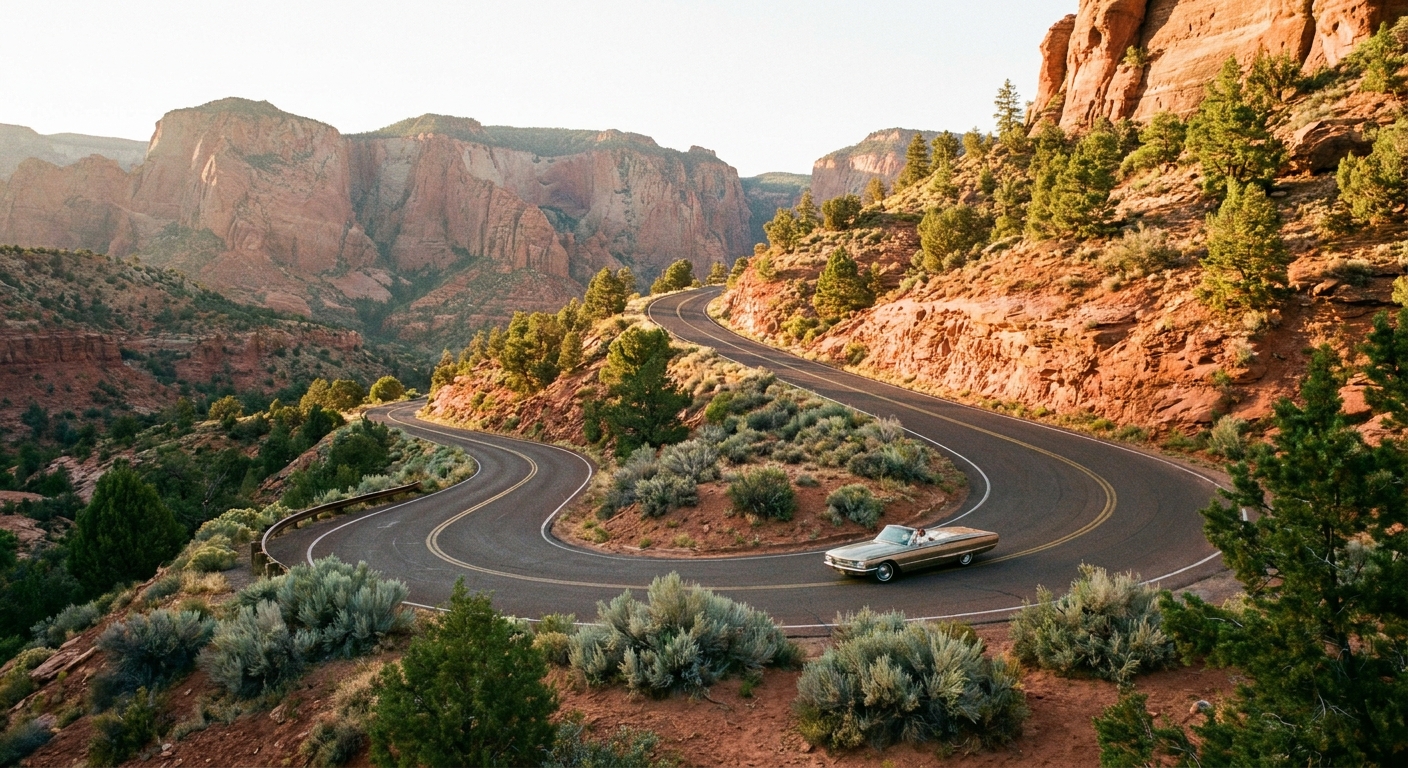
Taylor Creek vs Timber Creek
These two hikes are the classic Kolob decision point. They are both approachable, both rewarding, and they feel totally different underfoot.
Taylor Creek Trail
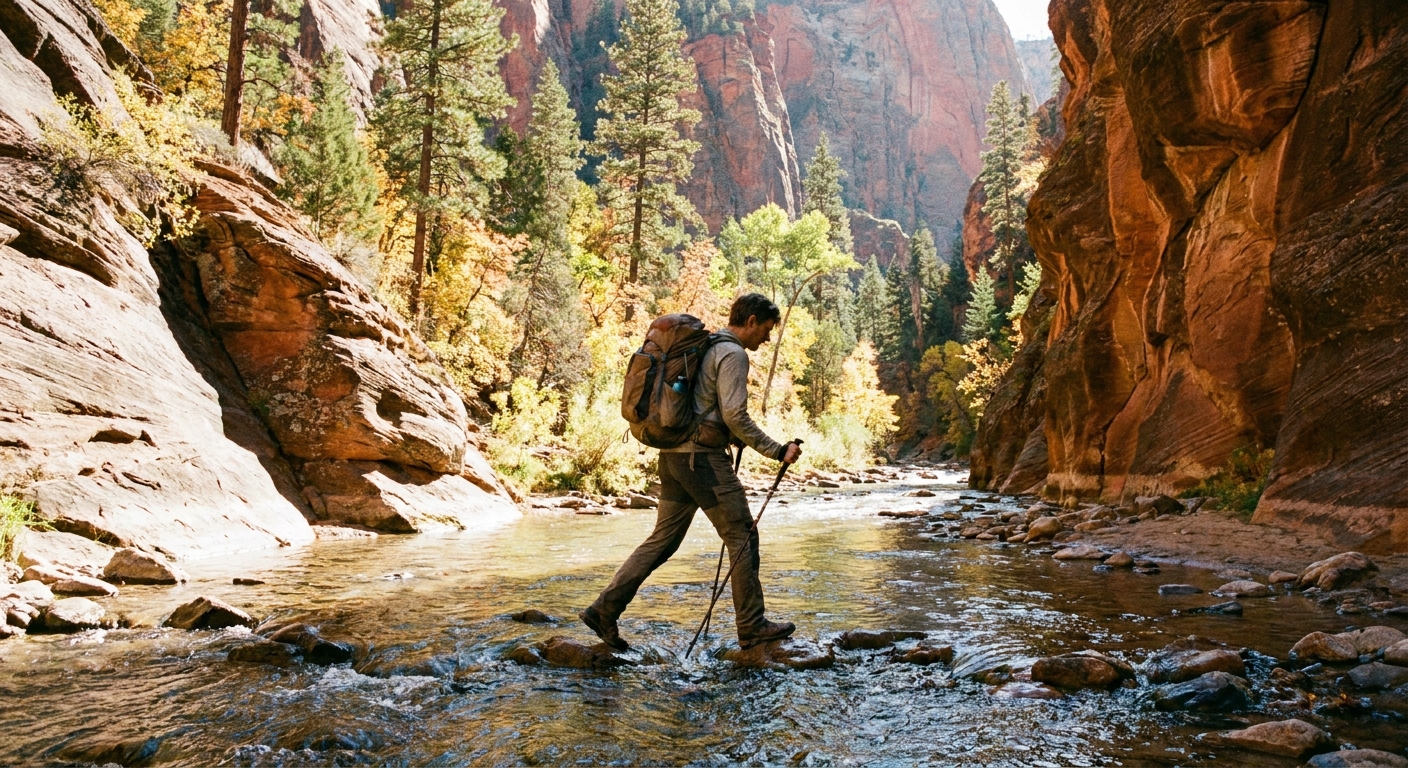
Taylor Creek is the more immersive hike. Most people are hiking the Middle Fork of Taylor Creek, which is where the Double Arch Alcove is located. You move into a narrow canyon with creek crossings that can range from easy rock hops to wet shoes depending on season and recent storms. The payoff is a deeper canyon experience and a historic touchpoint at the Double Arch Alcove.
- Distance: About 5 miles round trip.
- Time: Roughly 2 to 4 hours.
- Difficulty: Moderate, mostly because of crossings, slick rock, and seasonal ice.
- Why you will love it: A true canyon walk with shade, texture, and that classic Zion feeling of being tucked inside the landscape.
- What to watch: After rain or snowmelt, crossings can be colder and higher. In shoulder season, shaded sections can hold ice. Traction helps. Also, like any narrow canyon environment, pay attention to weather and avoid hiking during storms.
Timber Creek Overlook
Timber Creek Overlook is the short-and-satisfying option. It is a great pick if you are arriving late, traveling with kids, or using Kolob as a recovery day between bigger adventures.
- Distance: About 1 mile round trip.
- Time: 30 to 60 minutes.
- Difficulty: Easy to moderate (sun and wind do some of the work).
- Why you will love it: You get a wide-open view without a big time commitment.
- What to watch: It is exposed, which means more wind and more sun. In winter, icy patches can linger.
The tradeoff
Pick Taylor Creek for a canyon experience and more Zion texture. Pick Timber Creek for fast views and a low-effort itinerary.
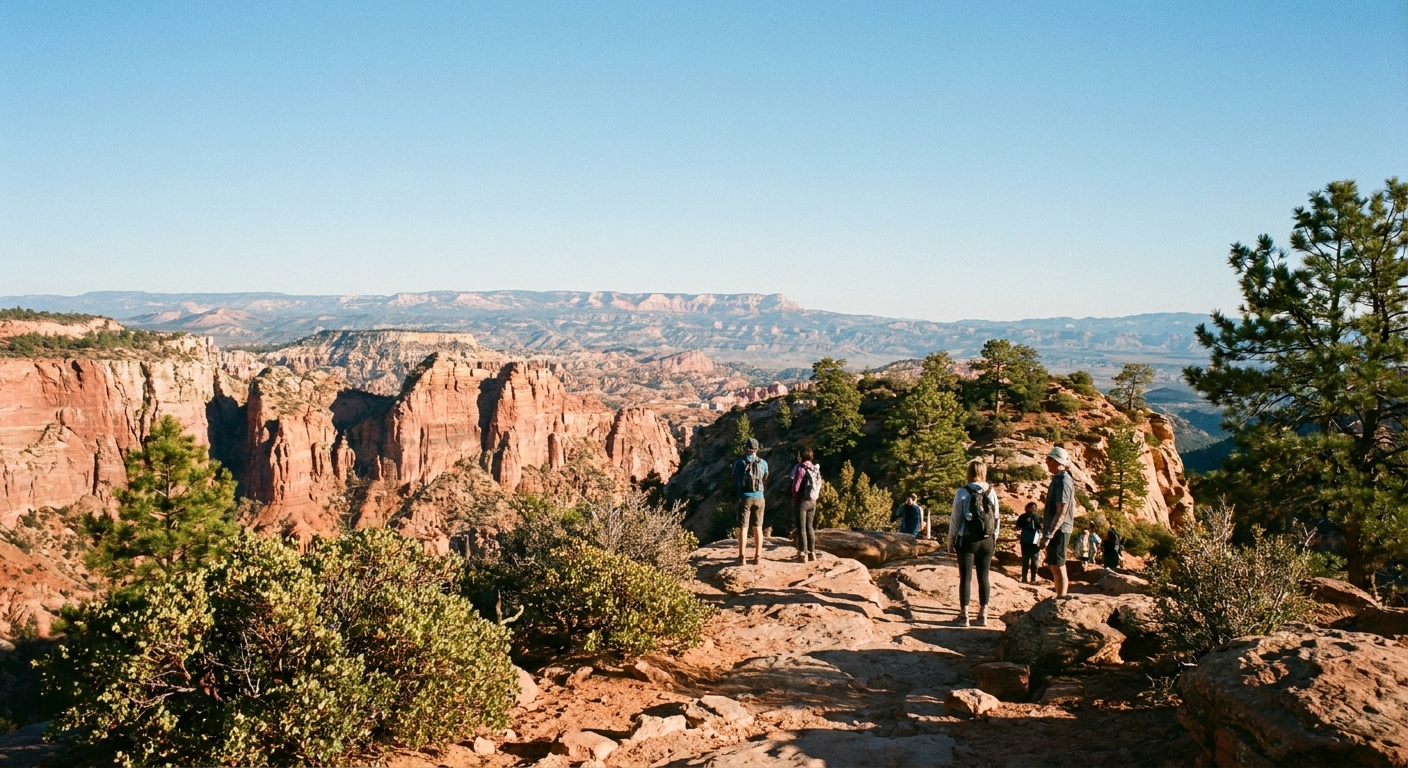
Kolob Arch (for big-hike people)
If your group has one ambitious hiker who keeps saying “We can do more,” Kolob has an answer: the La Verkin Creek Trail to Kolob Arch. This is a serious day: roughly 14 miles round trip, typically 7 to 10 hours, and best approached with an early start, solid water planning, and realistic expectations.
I am not listing it as the default Kolob itinerary because it is not a casual add-on, but it is worth knowing it exists. Kolob is not only scenic pullouts and short trails.
Winter closures
Kolob is higher and more weather-sensitive than Zion Canyon. Translation: even when Springdale is mild, Kolob can be icy, snowy, or temporarily inaccessible. The biggest planning issue is Kolob Canyons Road, which can close during winter storms. Reopenings can be intermittent and variable depending on conditions and maintenance, so plan to rely on the National Park Service for the current call, not vibes.
What typically happens
- Winter storms: Snow and ice can trigger temporary road closures.
- Freeze-thaw cycles: Morning black ice can linger in shaded areas even on sunny days.
- Shoulder seasons: Late fall through early spring can bring surprise closures after a cold snap or heavy rain.
How to plan without gambling your day
- Check official updates: Use the NPS Zion Current Conditions page before you drive up I-15. If you have spotty service, check before you leave town.
- Build a Plan B loop: Have a nearby alternative that does not depend on the Kolob road being open.
- Start earlier: If roads open later after mitigation, you do not want to arrive at the end of the day with no time left.
If your trip is in winter, plan Kolob as “weather-permitting.” You will either get a quiet, crisp day with unreal visibility or you will pivot to a lower-elevation option without losing the whole day.
Alternatives when you want quiet
Sometimes Kolob is closed. Sometimes it is open but you crave a different kind of quiet. Either way, you have options that keep you away from the Springdale shuttle bottleneck while still delivering a Zion-level landscape.
Smith Mesa Road viewpoint
This is one of my favorite “town-to-trail” style detours because it feels like a secret balcony over Zion. Road conditions vary and can be rough after weather, so assess with care and do not force a low-clearance vehicle.
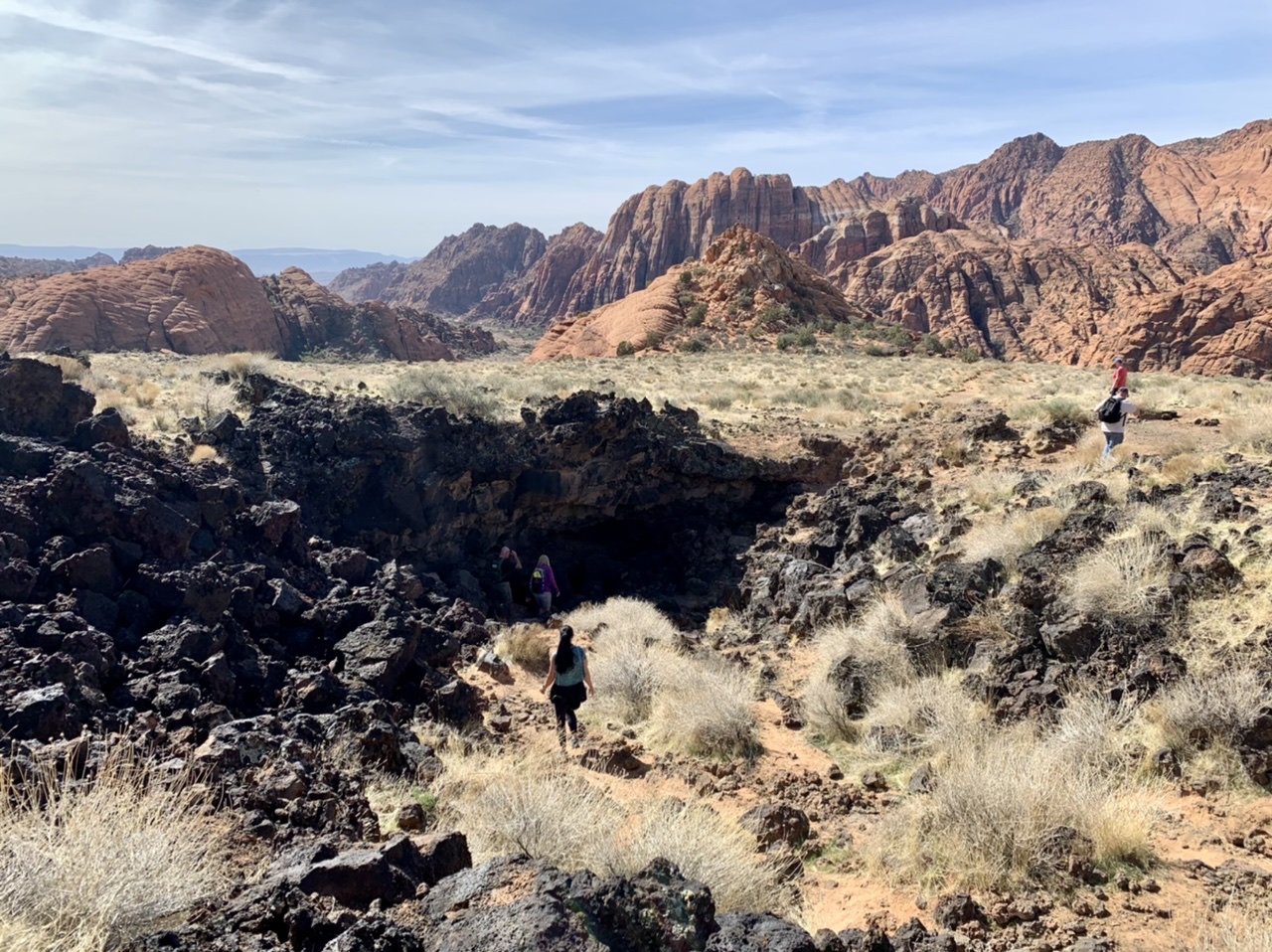
Snow Canyon State Park
If you are already positioned near I-15, Snow Canyon can be an excellent substitute day with lava flows, red rock, and solid hiking variety. It is not Zion, but it scratches the same desert geology itch.
Cedar Breaks
In summer and early fall, Cedar Breaks offers high elevation scenery and cooler temps. In winter, the script flips: Highway 148 and the main scenic road close to vehicles, and the area becomes more of a snowshoe and snowmobile destination than a driving detour.
How to frame Kolob
The biggest mistake I see is treating Kolob like a consolation prize. It is not. The right framing makes the day feel intentional.
Use this pitch
- What we are doing: “We are going to the Kolob Canyons side of Zion for a quieter hike and a scenic drive.”
- What we are not doing: “We are skipping Angels Landing and the Narrows today.”
- Why it matters: Kolob is self-contained. You are not spending your day on shuttle logistics and parking stress.
Itinerary shapes
- If you have 2 hours: Scenic drive to a couple pullouts plus Timber Creek Overlook.
- If you have 4 hours: Taylor Creek (Middle Fork) plus a slower scenic drive with photo stops.
- Half-day calm: Scenic drive plus Timber Creek Overlook plus lunch in Cedar City.
- Full-day hike focus: Taylor Creek plus scenic drive pullouts plus a sunset viewpoint.
- Winter flexible: Drive up with a backup plan, decide based on road status and ice.
What to pack
Even if you are doing a shorter trail, Kolob rewards being prepared. Conditions can change quickly with elevation and shade.
- Traction: Light microspikes or traction devices in winter and shoulder seasons.
- Footwear: Shoes you do not mind getting wet for Taylor Creek crossings.
- Layers: A warm mid-layer for wind at overlooks, even when Zion Canyon feels comfortable.
- Water: More than you think, especially in dry, breezy conditions.
- Weather awareness: Keep an eye on forecasts for canyon hikes. Even smaller drainages can turn unpleasant fast in a storm cycle.
- Leave No Trace basics: Pack out trash, stay on trail, and respect closures.
One more practical note: cell service can be spotty. Download offline maps before you head out, and do your conditions check while you still have reliable signal.
Quick checklist
- Confirm you are navigating to Kolob Canyons Visitor Center off I-15 (Exit 40), not Springdale.
- Check the NPS Zion Current Conditions page for Kolob Canyons Road status if traveling in winter or during storms.
- Choose Taylor Creek (Middle Fork) for immersive hiking or Timber Creek for quick views.
- Bring layers and traction when temps drop, and expect icy shade and morning black ice on the road.
- Have a backup destination in mind if closures pop up.
Kolob Canyons is one of the easiest ways to feel like you found a quieter Zion, because you did. Treat it as its own destination, give it half a day at minimum, and you will leave wondering why more people do not plan Zion this way.